Throughout the dispute between the cane farmers and BSI/ASR, there has been a strong sentiment that the farmers are trying to cash in on the hard work, investment and innovation that BSI has created to turn Bagasse into electricity which BEL can buy.
Well, on Sunday, we asked them about that perception, and they told us that they are preparing for 2015 and 2017 when the preferential market status ends with the European Union.
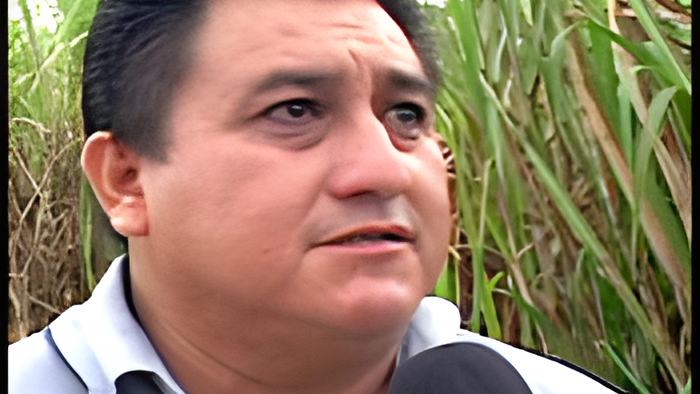
Here's how the Chairman of the BSCFA's Finance Committee explained it:
Leocaido Javier Keme, Cane Farmer
"It is very important for two main reasons; our sugar market which is mainly Europe, London - it is going to pass through several changes by 2015. That will be the first change where the preferential access that we as ACP Countries (African, Caribbean and Pacific) enjoy the preference of exporting our sugar into Europe without paying any tariffs. This will come to an end in 2015 and then we will have to compete with countries like Brazil, which would be able export or import sugar the EU without paying those tariffs that they have to pay right now. That would be a major challenge because they have a cheaper cost of production than us."
"Secondly, in 2017, the CAP (Common Agricultural Policy) reform in Europe, it's an agreement between all the European countries that they would subsidize their sugar producers to produce only a limited or restrict the amount of sugar beet that they can produce. For example, if a farmer can produce 100 tons of beet sugar, he is being subsidized only to produce 65% - 70% of his capacity. In 2017 this restriction will be lifted and the sugar beet producers will be able to produce as much as they can produce. They can produce the 100% that they are capable of."
The farmers are saying that when these things happen, the price for their sugar will fall because the market will be flooded, and they are simply trying to create a buffer for that downturn.