
Today we celebrated and recognized the women of the sea-those who fish, dive, and harvest seaweed for a living, and the women who work within the maritime industry.
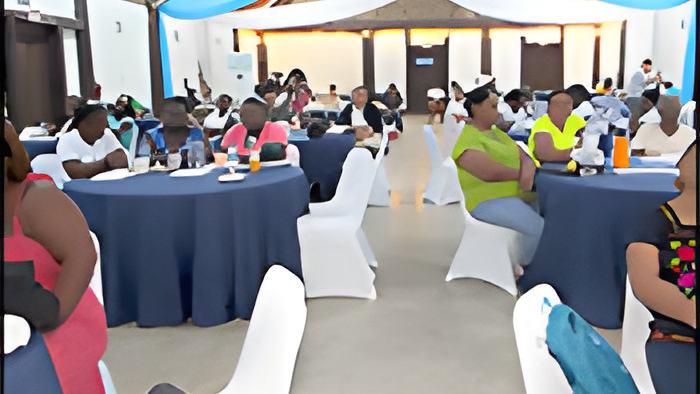
The Wildlife Conservation Society and the National Women in Fisheries Association held its 9th annual women in fisheries forum, which featured a panel discussion, presentations, and also a Blue Space Marketplace where participants showcased and advertised their marine and value-added products. Jomarie Lanza was at the event and here's how it went:
The Wildlife Conservation Society is celebrating its 9th Women In Fisheries Forum, engaging with women who operate within the small scale fisheries value chain in Belize.
These are not just women who fish, but also the women who women who process seaweed, manage cooperatives and also households that make their living from the sea. Today we got a chance to learn more about these women and their contributions within the maritime sector,
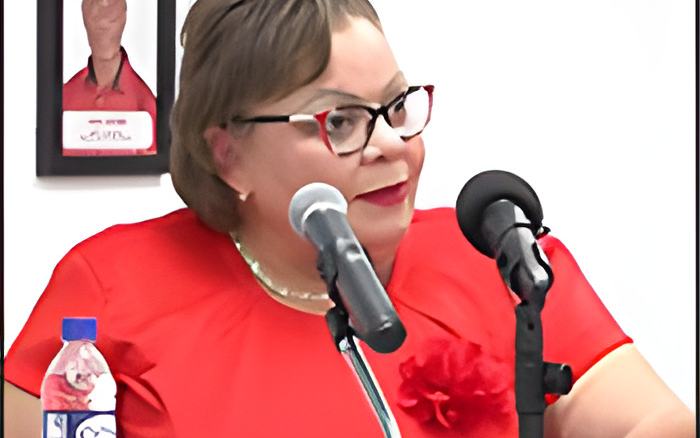
Ralna Lamb Lewis, Marine Conservation Director, WCS
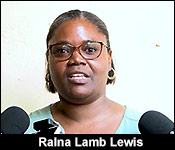
"The theme this year is really looking at the Blue economy space and looking at how women are currently engaged in the blue economy, what opportunities exist, what type of access is needed for them to actually take hold of the Blue economy and actually work within the blue economy space so with that we have the blue space market place which by we are highlighting women who currently have businesses within that space, we have women from the seaweed farm, women who are also working in terms of sargassum work just women who are utilizing whatever resources within the Blue economy space in order for them to generate an income to benefit themselves, their households as well as their communities."
Many of these women struggle to sustain their families and livelihoods. Because their work is undocumented, they are often cut off from vital resources. However, Director Lewis notes that providing access to these opportunities would allow them to progress within the sector.
Ralna Lamb Lewis, Marine Conservation Director, WCS
"Some of the work that women dow within this space is not apart of the formal workplace. Like for example women who do processing, what access is there? What type of social protection exists for these women I mean in terms of, how can they access resources for themselves? Processing is like and entrepreneurial type of job I would say, and if they get injured you know what type of benefits exist when they are ready to retire so that is one of the things we really want to look at how can women access these resources? And how can these resources be made more readily available for them because there are certain structures in place you know we have social security and so on, but how can women, how can these resources be more available that they would want to tap in to it and utilize it so those are some of the constraints we find in terms of women occupying within this space. They are not documented, even if for example you work within your family household, you are not documented as a worker I mean a lot of these women sell their products to the cooperatives under their husband's or their spouses names again it is not documented that they are fishing and selling their products so there are certain constraints within that. So it is just working with these women so we can identify, and for us to support them to access these opportunities out there for them and for them to be documented."
While women make up just 3% to 7% of licensed commercial fishers - mostly based in the South - they depend deeply on the sea for their survival. Operating as both fisherwomen and agro-processors, they shared their firsthand experiences navigating the industry.
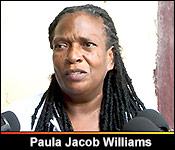
Paula Jacob Williams, Chairlady, Punta Negra
"Me I do, fishing, tourism, we do different dishes like coconut oil we do coconut fudge, whatever else is to do I do because I raise chickens, I used to dive when I was a little younger but I don't do that again, so mostly conchs I don't do lobsters."
"It is kind of challenging and the thing is I am an I can woman, and I will do, but the thing is because I grew up in a family of 14 I am the baby of the bunch but we are locally fishers and then over the years we diverse into different tourism, and things and I have represented Belize at the UN in New York I represented Belize, in Mexico, Panama, in Florida as a fisher woman."
Vonetta Dawson, Fisherwoman
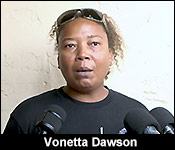
"So I am a full fisher, I am diverse in the sea I do deep slope fishing, I do fishing inside the reef, outside of the reef I do diving lobster and conch's so I am diverse in the sea not like Ms Paula she is diverse on land. I live on an island I live on the fishing camp I don't live on the mainland so living out there and having an area that I have lobster trap and so on the security out at sea is needed in that case because a lot of the hand line fishers that don't do diving or don't own any area that they do shades are mostly being driven away these people come with their guns and their crowd and they will tell you they don't want to fish in the area so I will always say I notice that the government put fishers all in one basket and we are different types of fishers."
"And If I'm not mistaken I was apart of one of the all girls boat in Belize that I know of it was three of us, three ladies, yes there were guys there but the owner who was my cousin he refused to mix the girls and boys together so we had to go on our boats and be on our own, so I was proud to be in an all ladies boat from young and I continue."
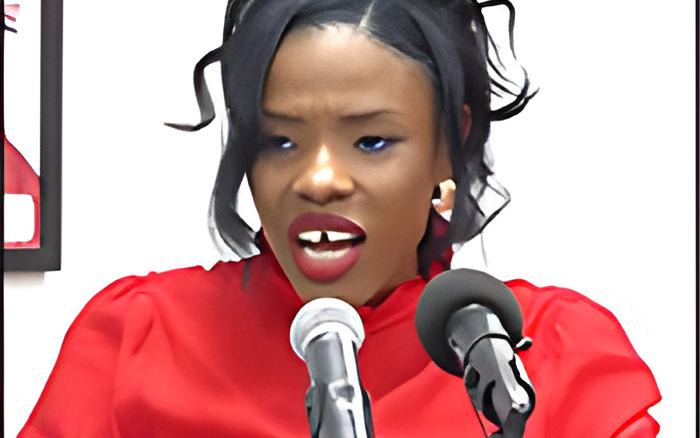
Jalima Gold, Founding member, Belize Women Seaweed Farmers Association
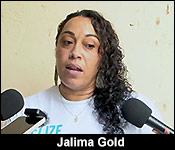
"Once we got into, we started our association we didn't really know there was going to be a lot of different aspects to it there is the farming, the processing, the value adding so our association is involved in all those different aspects but where we can help ourselves economically the best as Belizeans is value adding our products and so the way the association is set up, we are more of an umbrella association and our members have their own small value added businesses and so we have people that make soaps, powders and we have people that make hair products and a lot of different things you can make anything from it just the plain gel we have seaweed shakes so what the association does is It really tries to help the members with their small businesses and value adding, we work with Beltraide, we work with a lot of different organizations on packaging, labels getting it market ready and doing stuff like that."