
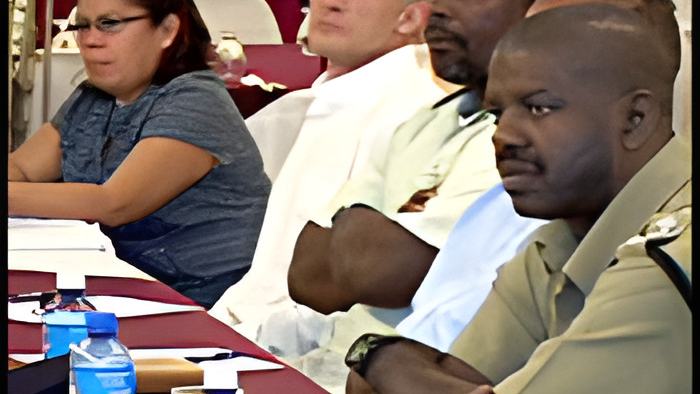
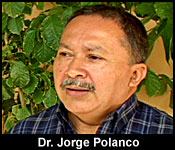
A few weeks ago, we told about the presence of the h1n1 virus in Belize. It's not the big deal that it was when it first emerged in 2009. Now there are new strains of the influenza virus and authorities have to remain on high alert. That was the subject of a workshop held today to assess the state of Belize's Pandemic Influenza Response Plan. Dr. Jorge Polanco discussed the ongoing monitoring programme:
Dr. Jorge Polanco
"We had since 2009 to present a series of variations of influenza outbreaks starting with the H1N1, H5N1 and so we said that it is timely for the region including Belize to review our plans."
"We need to have in place structures that would be able as a country to respond in a very timely and appropriate manner to any outbreak
that could occur in this case influenza. Since 2009 -2010 we have developed in the country and we have strengthen it as over time a surveillance for influenza virus in general. We have what called SARI (Severe Acute Respiratory Infections) that we monitor in this case especially at the level of KHMH."
"Through the surveillance we have been able to detect different viruses across the population. We have detected the H1N1 and other viruses. What that means then is that our healthcare professionals have an idea of what are the specific pathogens responsible for these influenza syndromes."
30 flu samples have been sent for testing form Belize this year, and 12 of them were positive for h1n1. There has been no associated loss of life.