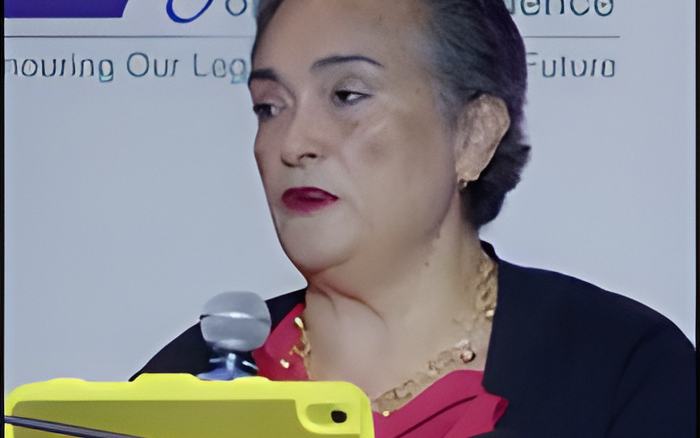
And if you're still unconvinced of the safety of your tap water, MOHW's Deputy Director of Public Health explained that there is no concern for an outbreak of E. coli or any waterborne diseases. She added, however, ways in which you can be more hygienic in your home.
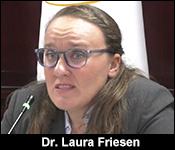
Dr. Laura Friesen, Deputy Director, Public Health & Wellness
"At this point in time, there is no need for us to consider that it would cause an outbreak. Of course, it does highlight the need for better hygiene and for better hand washing practices in the home, and for better water practices in the home. So it does highlight that we do need to work towards that in our population."
"And all of us are, you know, part of that. But but it's not a cause for alarm for an outbreak because it doesn't really show that level of, of data, for example. I'm just going to close off with a few recommendations for all of us in our homes, that we can take home and we can start to implement them to have better and more safe drinking water at the moment that we're actually swallowing our water."
"So the first one is good hand hygiene. We did this a lot during Covid, but sometimes we go backward instead of forward. Remember, hand hygiene is hand washing before and after eating in, after using the bathroom, before preparing your food, and after preparing your food. These are very important measures. A lot of bacteria get transferred to our hands through our fingernails when we touch doorknobs, light switches when we shake hands, when we open doors, we touch money."
"We touch a debit card. All of these things are highly, levels of of bacterial load. So we need to practice good hand washing in the home, in the school and at work. Good food hygiene is important. Proper food storage. Don't leaving. Don't leave food out in the storm all day. Wash your hands before you touch your dishes."
"Wash your hands. After preparing food and before preparing your food. Separating, vegetables and meat. Separating raw and cooked food. All of these are important. And these are places where contaminants such as Ecolab can pass around in our household. Treating untreated water before consumption with chlorine are boiling. For example, we have a lot of persons in Belize who use water from rain water sources or other sources that are not treated."
"So these persons need to be aware that when they are consuming this water, they are highly likely to be consuming contaminants such as E.coli, parasitic parasites, and other, microorganisms. So we need to make sure we're cleaning the water before eat, or drinking it or using it to cook. Also, cleaning vats, reservoirs, water containers, water dispensers, five gallon jugs regularly and keeping any water container covered with a lid."
She also emphasized regular cleaning of water bottles and other places where it is being stored as well as ensuring that septics and outhouses are not too near to the home.