
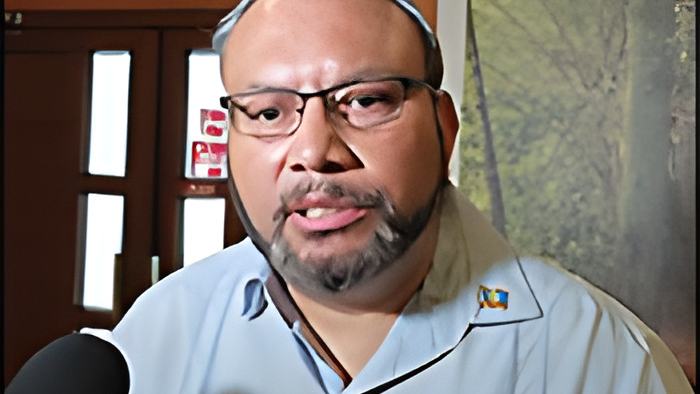
The Public Service will now be using biometric clock-in methods. The minister says this is to ensure that worker attendance is tracked more accurately and efficiently. Despite this, concerns have grown over the privacy of this biometric data. Usher discussed it:
Henry Charles Usher, Minister of Public Service
"What is going on is that for attendance purposes, persons walking into the building, if you walk into the treasury building and you're an employee there, you have to use your fingerprint to get in. It just shows when you arrive, when you leave. So it was for those purposes that those devices were put into government offices. So it's an attendance record. In the past, it used to be in a logbook. We're moving towards more the use of technology, and we're better able to monitor data, the public officers when they attend, when they arrive, and when they leave. So it's not about biometrics. It's more about attendance and leaving."
"How is that data kept and handled though to ensure privacy and not to say that, okay, we're a partner with the U.S. in terms of biometrics in other areas, and they will end up with our personal data. So you have to remember that whenever we sign on to any type of online platform, our information is put out there. I'm sure you have Facebook and Instagram and everything else, that information is freely shared by those platforms. We don't even know that those platforms share that information, but we see it when it comes to the algorithms. We see it when it comes to marketing and certain products are pushed towards persons. Why? Because they monitor the websites or the Instagram posts that that person would look at. So information in the digital world is out there."