body,td,th { font-family: Arial; font-style: normal; font-weight: normal; }
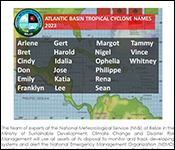
June 1st means that if you haven't already finalized your hurricane preparedness plans, well, you might want to get on that. It's the start of the 2023 hurricane season for the Atlantic Basin, which includes the North Atlantic, the Caribbean Sea, and the Gulf of Mexico.
Last year, the season was above average in terms of the level of tropical cyclone activity, but the forecast for this year shows that it will be near normal. According to the National MET Service, the prediction is for 12 to 17 named stormed. 5 to 9 of them are expected to become hurricanes, and one to four and expected to become major hurricanes, meaning category 3 or stronger.
An average season consists of 14 named storms, seven hurricanes, and three major hurricanes.
The MET Service added that there are two main factors that are likely to influence this year's hurricane season. The first is a moderate to high chance that an El Nino will develop, which will likely contribute to the suppression of tropical cyclone activity. The second is that warmer than average sea surface temperatures are expected in the Eastern and Central Atlantic Basin, which tends to favor hurricane development and could counter the effect of El Nino.
Still, the MET Services remind Belizeans that the seasonal prediction give them an indication of how active a particular hurricane season is expected to be, but they cannot predict when a particular hurricane will develop or where it will track. And that's why it is important for you to have your emergency plan in place, which includes stocking up on canned foods, batteries, and other necessities, and knowing where your family and your pets will be able to shelter.