August 1st will be observed as Emancipation Day for the first time in Belize, almost 200 years after slavery was abolished. It's a time to reflect on the atrocities of slavery but also to consider how African culture and people have survived oppression and sub-human bondage to thrive, inform and influence world culture throughout the centuries.
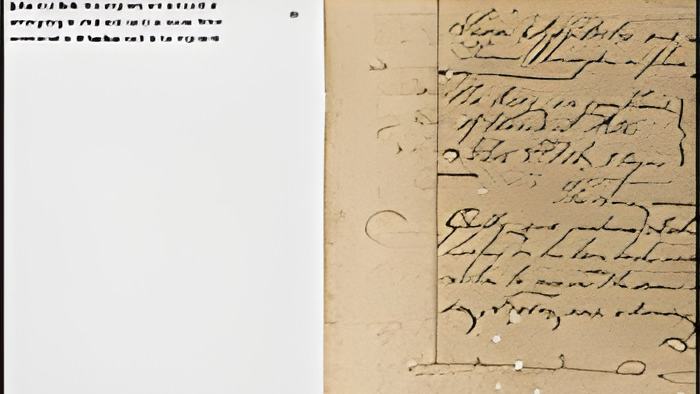
And to educate the wider public about Belize's history, NICH has created an exhibit, both physical and virtual, where records of the history of slavery can be viewed. This includes names of slaves, and auction flyers advertising them as property to be bought and sold. The Director of the Institute of Social and Cultural Research spoke to us about the exhibit and the effects of slavery on Belize's present. Courtney Menzies has this story.
For the first time in the 183 years since slavery was abolished, Belize will be celebrating Emancipation Day.
And for the first time, Belizeans can get a peek into the lives of their ancestors who survived the atrocities of slavery. While this exhibit is in Belmopan, it also has a virtual element where you can experience the nature of slavery in Belize without leaving your living room.
Nigel Encalada, the Social and Cultural Research Director at NICH explained the records featured in the exhibit are the legitimate documents gathered from the Belize Archives and Records Service.

Nigel Encalada, Director, Institute of Social and Cultural Research, NICH
"We set up a framework and set about finding records within the country's archive to see what would help to see what would help to tell that narrative of slavery. So you'll see census records from that period, what the population dynamics was like. You will see court records, court hearings, you will see meetings of the magistrate of the settlement. You will see wills of individuals, you will see manumission papers, manumission papers are letters drafted to set persons free. Enslaved persons, to set them few. And you will see ledgers which show enslaved persons listed as property along with household items and the values assigned to them, you will see documents of auctions of enslaved persons being sold."
"The reason we decided to use the documents is so that people can actually see the cruelties, people can see the resistance, people can see the ancestors adapting to difficult conditions, trying to retain their cultural practices, trying to survive culturally, so it's a story as well as resilience, a story on the survival, it's a story of making a modern Belize by way of our ancestors."
And those atrocities form a major part of the black experience today: oppression, poverty, and other obstacles that descendants of enslaved people face were born out of slavery.
Nigel Encalada, Director, Institute of Social and Cultural Research, NICH
"When you sit with these records, after a while you begin to realise that many of the things that afflict society today with marginalization, with lack of opportunity, self-hate among people of color, all of these things come out of the experience of slavery. It's amazing how certain things can be passed down from generation to generation, when you read it you realise this sounds like today, it sounds like it's happening today and the fact is why it feels that way it's because those hard, aggressive practices against people of color. And the resistance too, because the resistance story is an important one. It's important in slavery that black people were not just there, okay I'm a slave and I feel sorry for me. Black people also resisted slavery in all sorts of way. You have active and passive ways of resisting slavery, and that too is a feature of the exhibit."
"Not having access to land and resources is passed down, poverty is passed down. That is a big thing, generation and generation of people living in poverty."
But that's not all we got from slavery - much of our favorite dishes, music, and different parts of our culture were passed down by those once enslaved.
Nigel Encalada
"The various types of music, let's take the sambai for arguments sake, which you find in Gales Point. A lot of people are not familiar with the sambai, it's a fertility dance and so on. It has its own rhythm, it's own drumming that has been passed down from generation to generation and it's still alive and well in Gales Point Manatee. And the bruk down came out of this period of slavery too where in the wood cutting times, that became the sort of music for entertainment and to tell stories and so on. The food culture that we have currently, when you look at the historical records, the boil up, or what we call sere and these sorts of things, those come out of what was actually the food source for enslaved people."
The virtual exhibit will always be available, and Encalda is hoping it will be utilized especially by teachers and students to learn the real nature of slavery in Belize.
You can find a link to the virtual exhibit on our Facebook page.
To visit the physical exhibit at the Belmopan museum, you will need to send an email to iscr@nichbz.org to make an appointment due to COVID regulations.