Carrie Bow Cay is one of the many small islands dotting Belize's coast, but what it lacks in size it makes up for in rich ecosystems in which animals have evolved in interesting ways.
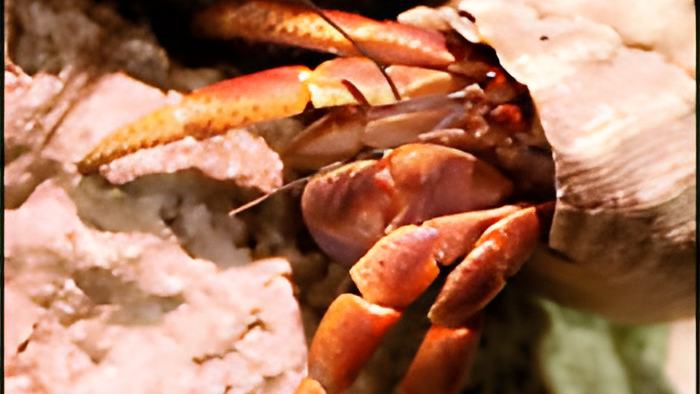
One such specie is the Caribbean hermit crab.
Hermit Crabs occupy shells of snails, scallops and oysters. Some even occupy driftwood, pieces of glass and stones.
As these animals grow, they must occupy bigger shells, so they are constantly on the lookout for larger homes.
Around 1000 of these scuttling scavengers live on the island, which is less than an acre, and with so many jam-packed into such a small space, they've had to create an interesting social network.
This network is known as a vacancy chain. A pair of biologists from Tufts University, scattered 20 almost perfect shells that were too big for most of the hermit crabs on the island.
What they observed surprised and intrigued them. When a shell was discovered by one of the crabs, the prospective owner would inspect it then try it on for size. If it was too big, instead of leaving, it would wait by the shell for what might be hours.
As other crabs came, trying on the shell and failing to fit it properly, they would also wait around, clamping on to each other in a line extending from the largest to the smallest animal. When the shell finally fit one of the crabs, all the rest would quickly exchange their shells passing it down the line. This way, each crab had a new home - a win-win situation.