
Sugarcane farmers in Northern Belize continue to explore methods to ensure that their favorite cash crop can survive the extremes that come with living in the Caribbean climate. They are listening to industry research experts who think that more resilient varieties of cane can be grown to adapt to harsh conditions like the intense drought of 2019, or flash floods caused by major hurricanes like Eta and Iota, which tore through Central America in November of last year.
As viewers are aware, farmers around the country have been devastated by climate change over recent years. So, the agro-productive sector is beginning to shift toward improved climate resilience. For the sugar industry specifically, the Ministry of Economic Development, the Caribbean Community Climate Change Center (5Cs), and the Green Climate Fund are working with ASR/BSI and the Sugar Industry Research and Development Institute (SIRDI) to create a program known as the Sugar Cane Varietal Validation & Pest Research.
Those in the industry say that there is one variety of sugarcane that is predominant in the farms of northern Belize. Moreover, they are concerned that if there are any major shocks from climate change and pests, the industry would be devastated. So, with the use of careful research and sugarcane breeding, scientists are working with farmers to study more resilient varieties of cane.
This morning, the stakeholders hosted a virtual launch for the Sugar Cane Varietal Validation & Pest Research program, and they invited the press to participate. 7News tuned in, and here's what the coordinators had to say about its early successes in this initiative and the support from farmers who are embracing it:

Ryan Zuniga - Project Development Specialist, CCCCC
"The project is titled 'Building the Adaptive Capacity of Sugarcane Farmers in Northern Belize'. The project is really to build the resilience and/or adaptive capacity of farmers within the northern sugar belt to the impacts of climate variability and change."

Adrian Zetina - Research and Development Chief, BSI
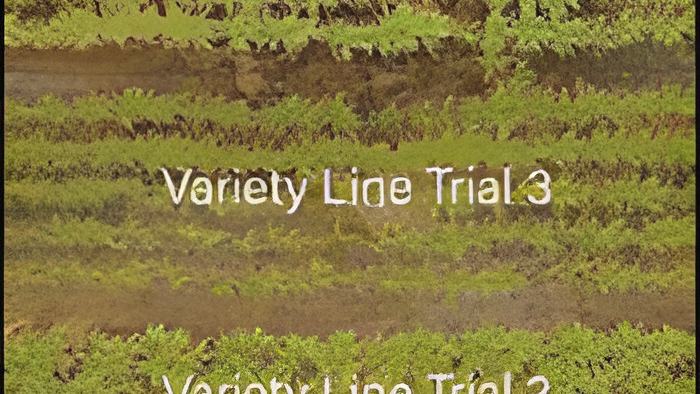
"This project is about validating pre-commercial varieties in the different agro-ecological zones in the industry. The program, through 12 years of research, and over a 5-step process, has identified a number of promising varieties that have shown performance better than the commercial varieties that are currently in the industry. What we need to do is to validate these varieties. We need to know if these varieties work in the different zones in the industry. How do we do this? We do this by establishing plots of these varieties, in each zone, and observing their performance over time."
Olivia Avilez - Cane Farmer Relations Manager, ASR/BSI

"The sugar industry no exception to being impacted by climate issues: drought, floods, hurricanes. In fact, in 2019, we lost 42% of our production in general, and small farmers are the ones who are sometimes more impacted. Through that country profile assessment, we met with 5Cs, the Caribbean Community Climate Change Centre. We are very grateful for all their work, as well as with the Ministry of Economic Development. They oriented us into the guidelines and ways in which we could apply for a Green Climate fund project. So, what we're going to do really is involve all 4 associations to validate these new varieties that we're coming out with. They have been tested for good production, for good sucrose against the nice, beautiful queen of the industry, which is the B-79 variety. Nothing is wrong with that variety at this point, it's just that we want to have a pool of varieties from where farmers can pick, not only to pick the types of varieties but the quantities that they need."
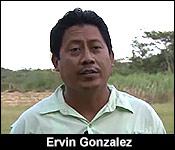
Ervin Gonzalez - Project and Environmental Officer, BSCFA
"We need to improve our varietal structure since we are at risk in case of a pest or a disease. We can easily lose our industry."
Adrian Zetina - Research and Development Chief, BSI
"These varieties, it's a 5-step process that we go through, and they're evaluated over 12 years, sometimes up to 15 years. In each stage, what we're doing is that we're comparing them to a benchmark."
"We wanna know how many tonnes per acre that these varieties are producing, the sucrose content - we want sweet varieties. We want varieties that show disease resistance, that show climate resilience. We've found some that did show better drought tolerance."
"There are some that are showing that they can tolerate waterlogging. You won't get the entire - you won't check each box that you're looking at, but the aim is to try to tick as many boxes as you can."
"We've gotten to a point where we've found the cream of the crop, and we're pretty confident that most of them are gonna work. But what we're gonna do now is put them in these zones."
"This is where the validation and the trial and error will come in. A farmer will plant these and say, well, in my area, I'm more drought-prone. Maybe I'm in sandy soil or rocky soil. So, this variety is better for me."
"The other part of this project is also the stem borers, where we would identify hotspots for stem borer populations. And say well, I am more prone to pest attacks, I'll take this variety instead."
The Green Climate Fund has funded the industry with $160,000 to continue their research. As you heard, the farmers are providing the scientists with field tests by growing these different varieties in their fields and tracking the outcomes.