And in other news, you might want to think about getting rid of that large stash of plastic bags in your house because today marks the final day of phasing out of single-use plastics. That means possession of prohibited products, such as disposable plastic, foam cups, plates, and containers, as well as plastic forks, spoons, straws, and lids, will now be considered an offense and can result in court action which can also incur fines. This phase out process began over two years ago and since April 2020, importation of single-use plastics has been prohibited. The last couple months saw the prohibition of manufacturing and the end of sales of the products. Chief environmental officer, Anthony Mai, explained what this new phase means for you:
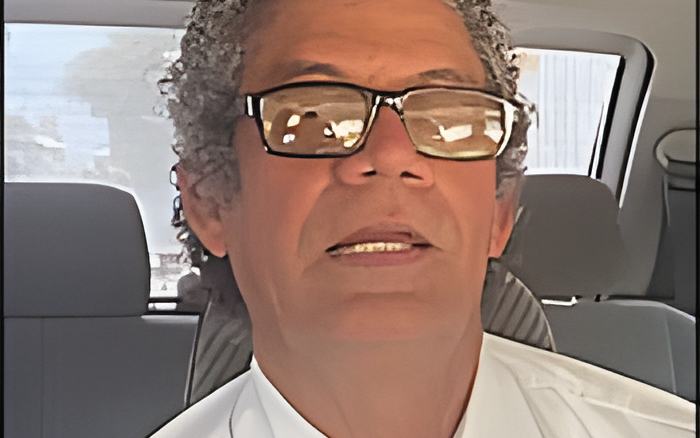
Anthony Mai - Chief Environmental Officer
"Legislation that prohibits the importation of single use plastics was passed in January 2020. Thereafter, several amendments were made to the legislation to push back the phase out date for the manufacturing sale of these products, the more recent amendment was done in January 2022, that amendment to the legislation push back the phase out date for manufacturing to January 1st 2022, it push back the phase out date for sale to February 28th 2022 and then finally it push back the date of possession to March 31st 2022, which is today. What that is saying is that after today it will be illegal for anyone in the country to possess single use plastic bags, single use plastics in general and Styrofoam."
Reporter
"This refers to the individual, to the person at home watching this newscast and they that stash of plastic bags in their house, they will have to get rid of that basically."
Anthony Mai
"The law basically is for everyone, it's for the importer, the retailers, the manufacturers, the individuals at home but remember, you could have from 1 to 10 units but anything in excess of ten unites that will be consider as a violation of the law. 1 to 10 is okay then from 10 to 100 the department will confiscate 90 of the products so that you are in compliance with the law and we will dispose of that and then from 100 to 500 there's a 1,000 dollar charge as penalty and then also 3 times the assessed value and then 500 to 5000 it's 3 times the assessed value of the products."
And we also asked Mai how the Department of Environment will police the stores still giving out plastic bags and the food vendors selling in Styrofoam plates:
Anthony Mai
"First and foremost the legislation has been implemented since 2020 and so since that time we began to register all the restricted products that are coming into the country and the first modality to control the prohibited product is by registering it during the importation process, so we have been doing that very well. We have a list of importers that have abide by the bio-degradable regulations, so we have registered several bio-degradable products and bio-degradable importers. So, that is the first check point. The second thing is that we are aware there are some retailers who have a file of single use plastic and Styrofoam, we have reached out to them and asked them to report this to us and together we will can discuss what will be the disposal process of these products because ultimately they have to be disposed. The good thing is that most of them have reported to us so we are aware where these products are, we have set up meeting, we have already set up meeting with them to discuss the disposal process of these products and in terms of monitoring, we are hoping that we will working with out sister agencies in this case the custom's department is one of our key partners in controlling the importation of these products for example coming through the northern border, coming through the western border. We also rely on the general public to be our eyes and ears at various local shops and so if they see any single use plastics per say they could report that to the department of environment and we have an environmental compliance and enforcement unit who is then responsible to go out and do monitoring. In any case, it is our responsibility to monitor these areas, we will be in the various shopping areas periodically just to do monitoring, to do walk through etc. And it's more than just in the shops, its in the homes etc. we just need to make sure we build a good working relationship with the public as it relates to the reporting of these products as we see them."
Mai says he feels that there has been more than enough public awareness since the phasing out of single use products has been discussed on information sites and the media since before the ban on the importation two years ago. for compliance with the regulations.