

If you're watching the news tonight, you no doubt have electricity to power your TV, or your wifi router to connect to our Facebook Livestream.
Most citizens may not give it a second thought of where their electricity is coming from. After all, they pay BEL their hard-earned cash, and the utility company is obliged to ensure that there is power when a light switch is flipped on, or an appliance is plugged into a wall outlet. However, the Government, the utility regulator, and BEL must concern themselves daily with that power supply and the growing demand from Belizean customers.
And in this ever-changing world of external shocks like a pandemic and a global supply chain impacted by the war in Ukraine, energy independence for the country is becoming a bigger priority.
That's why the Government wants to revise the National Energy Policy to ensure Belize's sustainable energy future. Those consultation talks began today at the Biltmore Plaza Hotel, and our News team attended. Daniel Ortiz has that story:
This morning, stakeholders from all across the country gathered at the Biltmore Plaza Hotel for the first round-table discussion on the country's National Energy Policy. The government and its partners are looking for input from the general public on how best to update this document of guidelines in the best interest of security, reliability, and self-sufficiency for the country's energy needs.
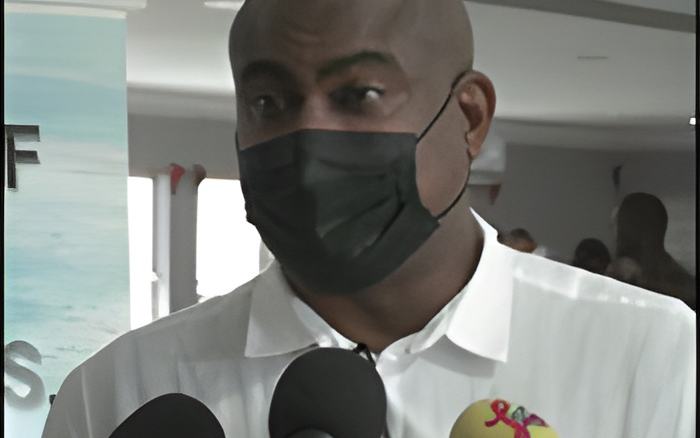
Jose Urbina - CEO, Ministry of Public Utilities, Energy, Logistics & E-Governance
"It is a scheme in which government addresses issues related to energy growth and usage, including energy production, distribution, and consumption. I go further and state that an energy policy is a subset of economic policy, foreign policy, and national and international security policy."
Glynn Morris - Team Leader, LAIT UP Belize! Project
"Energy affects all our lives. Without energy services, we would not be sitting here today. We would not have the benefit of the mobility that brought us here. We would not have the lights that allow us to see each other, the amplification, the audiovisual, and you understand what I'm saying? The point is every decision is an energy decision. In order to make good decisions, there needs to be some kind of guiding framework, and that's a policy."
Jose Urbina - CEO, Ministry of Public Utilities, Energy, Logistics & E-Governance
"Today is a very important day as a ministry and as stakeholders. I expect and look forward to the participation of everyone as we set forth the policy for the next ten years."
One of the most significant issues that this updated policy must address is the diversification of renewable energy sources that can power the country's electricity grid. Belize, like the rest of the world, must make meaningful efforts to harness renewable energy from solar, wind and hydro sources.

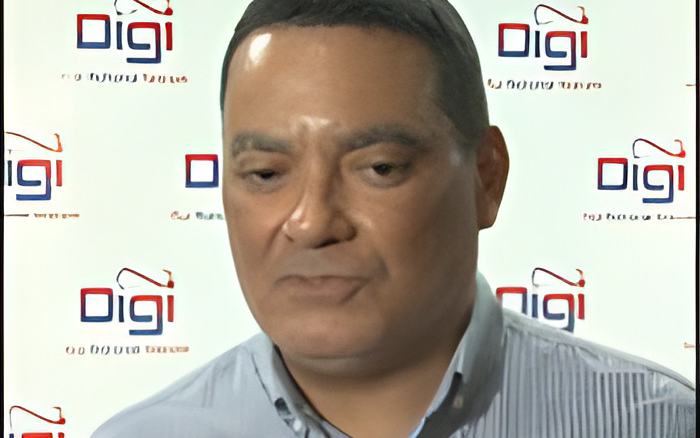
Dr. Devon Gardiner - Policy Expert
"The renewable share in the total energy was improved from 24.1% in 2011 to 34.6% before the electricity component; the renewable energy share without changed from 64.4% to 51.3%. Internationally, anything that is over 25% of imported energy - in fact, best practices, 15% maximum. But once you start to climb above 25% of energy being imported, you are not deemed to be energy secure. And we have seen some of what is happening in Europe now because of that same reason. Energy imports are good when the neighbors are friendly, but of course, on any given Sunday, things could change."
Dr. Devon Gardiner - Policy Expert
"Diversification is the way to go, just like with everything else in life, you know, that's why you are taught. The energy system is no different. You know, we have seen cases where countries have depended on single sources of energy, even if it's indigenous renewable energy sources. We saw Venezuela, years ago, which is built on 100% hydro, had a drought, and when the drought came, and the hydro systems were not able to perform, a country which was in that sense, once upon a time 100% independent, and producing cheap energy from renewable energy sources was unable to provide for its citizens. So, you know, diversification and flexibility are the two things that are necessary for any modern energy situation."
And in case these concepts sound too abstract, it is prudent planning from the government, the regulator, and BEL that ensures that you have an uninterrupted and stable power supply:
Dr. Devon Gardiner - Policy Expert
"Let's say you are dependent on a generator that is one type of generation; let's say turbine generation only. And there is a situation where you have a shortage in fuel supply because of challenges getting fuel from your source markets. What that would mean is you would not have enough generation to supply demand. And if you don't have enough generation to supply the demand, then the utility will have to make decisions around things like load shedding, and customers do not like load shedding. So once they start to hear about the consequences of what could emerge if it is that you don't have the kind of diversification that allows the electric utility to be able to keep the lights on all of the time, then they will begin to understand because they care about - customers care about keeping the lights on 24/7."
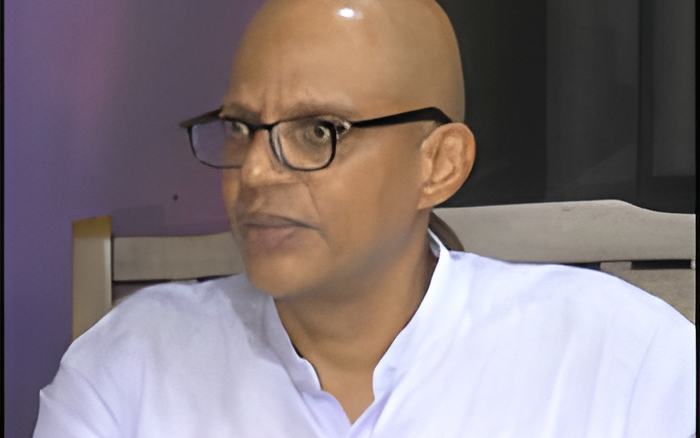
Jose Urbina - CEO, Ministry of Public Utilities, Energy, Logistics & E-Governance
"A well-designed energy policy reduces pollution, cuts customer costs, and minimizes dependency on foreign energy supplies."