
body,td,th { font-family: Arial; font-style: normal; font-weight: normal; }
If you listen closely, there's probably a bunch of animals you can hear right outside your door - dogs barking, cats meowing, and the occasional frog croaking. And those are only some of the animals and organisms in your immediate surroundings.
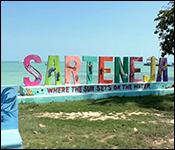
All of this is part of Belize's biodiversity, and back on May 22nd, International Day of Biodiversity was observed. And not too long after, on June 5th, World Environment Day was celebrated. So in the midst of these two important observances, the National Biodiversity Office organized a media tour to Sarteneja, where marine and inland animals thrive in conservation areas.
Courtney Menzies travelled up north today and has part one of this story.
Belize is home to fishes, mammals, birds, reptiles, and any other kind of animal you can think about. And you can find plenty of different species in a single area.
Take Sarteneja, for example. There's the Corozal Bay Wildlife Sanctuary, which has strict extraction protocols so marine life can thrive, and mangroves for the frigate birds to nest, as well as a manatee and monkey rehabilitation facility, and plenty of other animals in between.
And that's exactly why the National Biodiversity Office took our news team to the north, to see these animals in their natural habitat.
Saul Cruz, Acting Dir., National Biodiversity Office
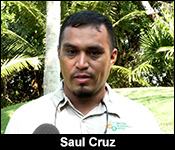
"We feel that one of the things that is missing in trying to get that support from the wider population of Belize is information, empowering them with information and it's really hard to bring all Belizeans to experience these things so I think one of the better channels of communication is using the media, empowering people through the media."
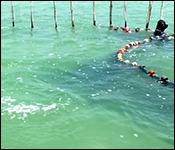
"We started with the Sanctuary, where we learned that only beach trap fishers who've been there for over a decade are allowed to fish, and it is monitored by the Sarteneja Alliance for Conservation and Development."
Joel Verde, Executive Director, SACD
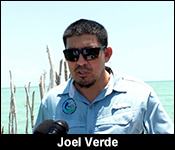
"We only became co-managers of Corozal Bay in 2012 and when we became co-managers, we found these fishermen here that were already operating and doing this kind of fishing as part of their livelihoods, right, so that compromise that we have is to ensure that we get the buy in from the people and to ensure that while we protect and meet the needs of the protected areas in terms of biodiversity, in terms of biodiversity protection, and so forth, that we can also ensure that the livelihoods of the people that depend on the resources are also being respected to some extent."
"We are at the point right now, where we have signed an agreement with the fishermen, well, actually the fishermen with the government of Belize, for access to the reserve so while they're fishermen and while they have permits and licenses for being a fisherman, they also have to have a permit from the Sustainable [Development] Ministry to have access to the reserve. But that access comes with the conditions I have mentioned in compromise with us and with them that there are things like for example, a no new trap policy meaning that there's no new trap being allowed in the protected area, that any of these traps can only be transitioned from one generation to another generation within the same family, but they cannot sell their site to another fisherman because another fisherman wouldn't be considered a traditional fisherman."
"And, of course, they also can't catch protected species such as tarpons and bonefish. But they're okay with that, since they understand it's for their own good."
Joel Verde, Executive Director, SACD
"This was a work in progress, we started working with them, we started engaging with them, we started ensuring that they understand the importance of the protected area and the importance of the resource for their livelihood because ultimately, depending on what they do as fishermen is what will ensure their livelihood in long term."
And with the fishers cooperating with the authorities, the government is willing to work with them to expand their options to make a livelihood in the sanctuary.
Orlando Habet, Minister of Sustainable Development
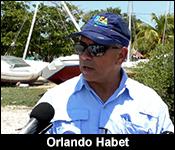
"This is a sanctuary 1 category which should be a no take but when you look at it, the scale of things living right near the Sarteneja Village, you know there are things they will need and so we are now looking at the possibility of renaming that wildlife sanctuary 1 to wildlife sanctuary 2 so that they can have the affordability of letting in other sources of income, including tourism."
And the only way that biodiversity will thrive is with the help from those that benefit from it.
Orlando Habet, Minister of Sustainable Development "I think Belize is so special to have this natural asset and so what we ask is that we utilize it to the maximum because it is there for us to have, to enjoy, but also to assist in the protection because the government can't do it, we'll be doing the policies and passing the legislation, but we depend largely on the population, the people to have the education, to have the knowledge, and appreciate especially what we have so that they can help in the conservation."
Saul Cruz, Acting Dir., National Biodiversity Office
"You've seen the livelihood component in the Corozal Bay Wildlife Sanctuary, we're here now, we understand some of the threats, some of the pressures, and some of the things people do sometimes unknowingly that would impact our biodiversity. And just to re-highlight what the minister said, it's not just to protect biodiversity for protection sake but really there is an interconnectedness with people and our natural resources, our natural assets, so it's trying to understand what our actions have in terms of effect to our natural resources."
Tomorrow, we'll bring you part two of this story, where we will take you to Wildtracks Rehabilitation Center.