Belize has never seen or known a tsunami, but planners warn that we can never be too careful.
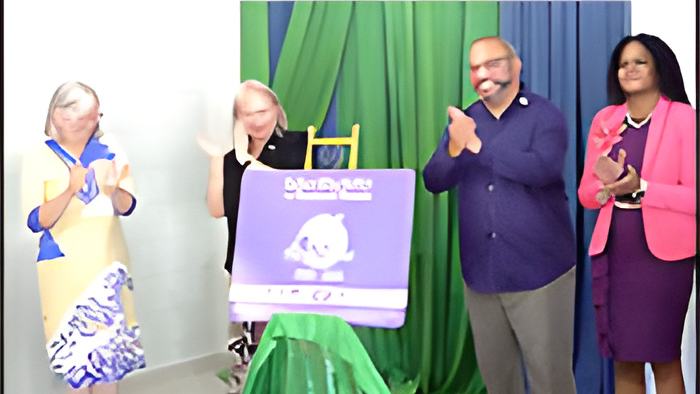
And as of today, the city has officially achieved UNESCO's Tsunami Ready recognition. But what exactly does that mean? The Disaster Risk Management Minister told us more:
Henry Charles Usher, Minister of Public Service
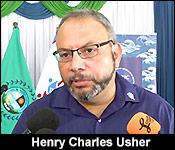
"This is really just the beginning of the process because this is all about continuing to be ready, continuing to be prepared, continuing that community engagement, preparedness, education, awareness when it comes to tsunamis. So it's the beginning of a process. The residents have to know where the evacuation routes are, the signage, etc. so it's important that Belize City is designated, but that we continue this process throughout the country."
Reporter:
"So it's not that we should be breathing easier or maybe just slightly?"
Henry Charles Usher, Minister of Public Service
"No no no we can't we can't take these things lightly. It's very serious. The last warning we got for a tsunami was in 2025. Luckily, we did not see any. I remember that one vividly in 2018 when we also got the tsunami warning. It's something that happens more frequently in the Pacific, but it's not, it can never happen here in the Caribbean. It does happen at times. So I think it's important that we stay ready."
"So there are evacuation areas in Belize City, gathering points, you know, see the signage throughout the city that has been put up. And those are the areas where persons can go and gather. And then evacuation routes explain to them how they would go or where they would go in the event of a tsunami. Remember, this thing happens very fast."
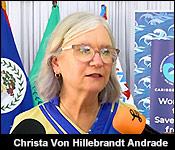
Christa Von Hillebrandt Andrade, Manager, International Tsunami Information Center
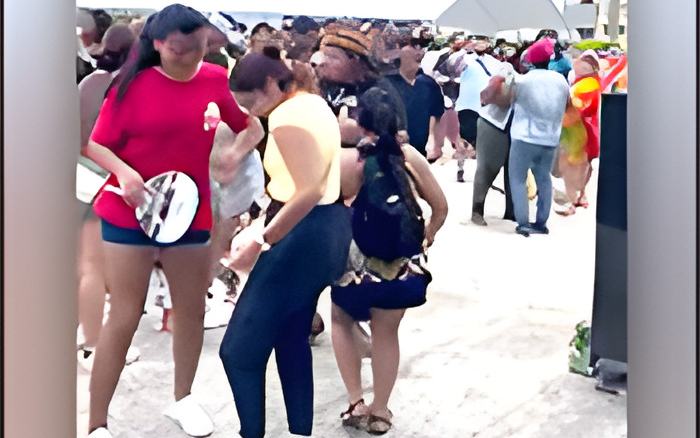
"The Intergovernmental Oceanographic Commission of Unesco has established 12 steps for a community get ready for a tsunami. And Belize would have followed these guidelines. And it consisted in, first of all, in divided into three areas. One is awareness, preparedness and response. So Belize, in order to receive the recognition of Unesco ISC as a tsunami ready community, it had to know its threat. It had to map the hazard. It had to know how many people lived or could be affected by the tsunami in Belize City. And then also what were the resources, which resources would have on hand to respond to a situation like a tsunami? Also then in the area of preparedness, Belize City prepared a tsunami evacuation map, which would indicate, the areas that had to be evacuated, the safer areas, and how to get from the hazard zone to those safer areas and areas where people could assemble. Also then they had, install signage to inform the public, on the evacuation routes and these assembly points. They developed education and outreach material, and this material was shared through public and outreach events and a tsunami exercise to test the procedures for responding to a tsunami."