

One of the biggest challenges Belize faces in its fight against HIV and Aids is making sure that its youngest citizens have access to clinical care and treatment. It is a concern because in the last five years, children ranging from newborn to 19 year olds account for over 10 per cent of new infections and more than 20 per cent of all persons on antiretrovirals. and while great strides have been made in the prevention of mother to child transmission, the same cannot be said about the health services provided for these young patients in particular the socio economic, nutritional and emotional support. A recent study conducted by Hand in Hand Ministries and UNICEF reviewed the situation of children living with HIV in Belize. It found that there is an urgent need for an improved national response.
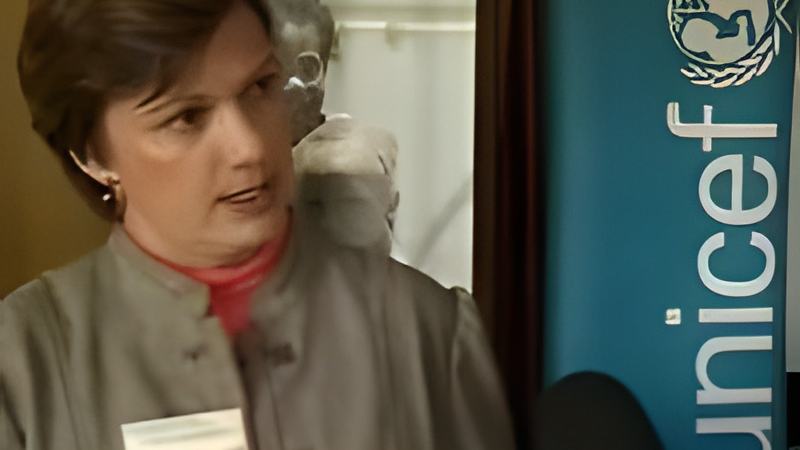
Today the findings were released to the public and policymakers in the hope that it will make a meaningful difference in this special group of children. UNICEF’s Country Representative, Rana Flowers told us why the information is important.
Rana Flowers, Country Representative – UNICEF
“That study really set the scene and came out with some findings that confirmed the anecdotal information that we had but also really highlighted that we have some areas that need help. I think we need to emphasize that in Belize in relation to children and adolescents it really is just a health response and that is insufficient.
It is the dirt of a government accountable support system for those families and for those children that is of significant concern. You cannot continue to have this silo of a health response with no community outreach and community response. I think the study identifies in terms of mother to child transmission. Some of the areas, a number of the gaps where we are not testing, where we’re not picking up children who were tested where they’re not getting drugs

etc. and it identified continuing care issues. So children who start in the maternal child health care system but then fall off the map.”
Adele Catzim, Study Consultant
“The reality of early sexual activity for teenagers and so making sure that we have a better sexual and productive health care program, services available for the adolescents because quite a number of adolescents are HIV positive. The next thing is the phenomenon that we are seeing of the slow progressor HIV positive adolescent. That means that there are some young people whom we thought would never survive to their teenage years, even though they became HIV positive through mother to child transmission, they are surviving. Some of them are A-symptomatic and some of them are just developing symptoms so that is something we need to note for study or further investigation.
How we do more with what we have already because we have talked about the need for more resources which we do need but if we improve the management and the coordination and the networking of what we currently have, we can go on a much longer way in terms of the services we provide to children who are HIV positive. The biggest gap that we found is in the area of psycho-social services and the looking at socio-economic needs for children.
While we are seeing improvements in how we address stigma and discrimination issues in this country it is still a critical concern for us. Many families are very protective of their children, especially when they are HIV positive so there is a great negative impact that it is having.”
Belize continues to be challenged by a persistently high HIV prevalence rate of two point four, earning this country the dubious distinction of maintaining the highest HIV infection rate in Central America and the third highest in the Caribbean.