
The latest COVID numbers released half an hour ago are confirming that 7 new deaths have been recorded. Two of those happened today, one yesterday, and the remaining four happened earlier in December - and are just now being classified as COVID related.
As of this weekend, Belize has passed the 250 mark with 257 deaths recorded. Additionally, 37 new cases have been identified, in tonight's report where there is a positivity rate of 13.4%. Current active cases number 587.
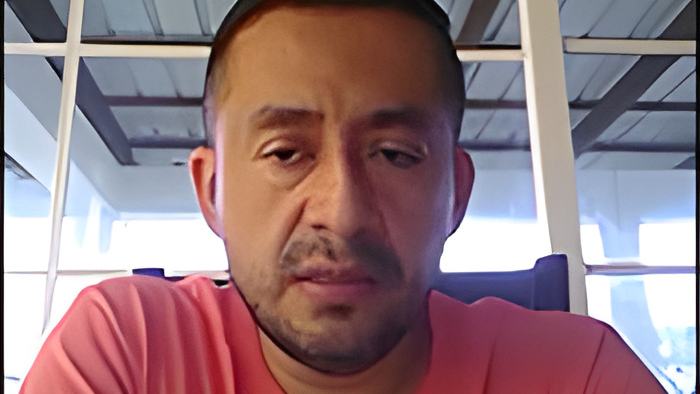
But even though they may be considered recovered, it doesn't mean all is well - just ask Dr Marvin Manzanero. He is on the road to recovery - but that road still has lots of twists and turns even though it has been four weeks since he first felt symptoms of COVID-19.
He says he still has what he calls "yo-yo days." In a Zoom interview 90 minutes ago, he told our News Director that some mornings he has a lot of energy, but by the afternoon that energy escapes him like air out of a balloon.
It's unpredictable what each day has in store for him, but despite that, he still manages to be a symbol of hope in the pandemic.
But for him, that hope had almost dwindled when the moment came that he learned he contracted the virus. Despite the meticulous measures he observed, he began feeling symptoms a week before he was hospitalized. During that week, the fear was always in the back of his mind, and he told us about the moment when that nightmare became real.
Dr. Marvin Manzanero, Director of Health Services
"I was just feeling fatigue I think on Friday. I know I was at that critical stage. Days 5-10 is when you can start having the symptoms that can put you in a hospital, just break you, if there is such a term and I ate well. I had a watch that kept saying I was Tachycardia. The watch usually monitor you basic heat rate and determine that something is not right."
Jules Vasquez
"It was showing that for those not familiar with, it was showing an irregular heart beat?"
Dr. Marvin Manzanero
"No, it was faster than normal. I basic heat rate is usually under 70, when I'm sleeping it's under 60, but I was having 100-104,106 - so that's not normal. I think it's when something went really wrong was taking a shower that Friday evening and I felt I was going to crash. I really felt suddenly very ill. I knew something was very wrong and I came out of the shower and I, for a moment was gasping for air. So I knew something was very wrong. Came out, I rested and then again, you don't know if you are having anxiety because you are having all these things with Covid and I know what's potentially happening. So it went away. I didn't have any problems sleeping, I did not have cough or any of those respiratory distress. I had an oximeter at home. That didn't really decrease, it was still at 94-95%. The following Saturday morning I woke up, I was restless mentally, physically there was something not right and I call a colleague in Belize City Dr. Hidalgo and he said you know you need to get this x-ray done, you need to get lab exams - let me take it from there. Colleagues from radiology in Belmopan said maybe you should come in and get a CATSCAN, Dr. Smith, Dr. Diaz - because that's more specific than an X-ray - may be it can pick up any lesions or anything that you are not seeing in the x-ray. So I went, I didn't think I was going to see anything minor. Maybe I was hopeful that it had been an anxiety attack. I went for my CATSCAN on Saturday morning around midday. After seeing the results of that then you realize that something is wrong."
Jules Vasquez
"What were the results?"
Dr. Marvin Manzanero
"There were lesions, there were patches, if you will, of suggested viral pneumonia and it's a classic signs and symptoms for findings in a CATSCAN of what Covid does in both lungs and the basis of the lungs starting to spread to the upper portions of the lungs. So when the radiologist saw that he said this is the typical pattern of Covid, I don't know if you have Covid19, but this is what it is."
And that nightmare only got worse as time went on, and Dr Manza told us some of his darkest moments.
Jules Vasquez
"So what was your darkest moment Doc?"
Dr. Marvin Manzanero
"Seeing the CATSCAN is one, because you know what's going on. You know as fellow clinicians even though I discuss it briefly with Dr. Hidalgo and that's was like when you have dengue, I don't think people needed to have explained to me what was going on. I knew what potentially could have happen. Saturday when I got to the hospital and I was arriving at the hospital the first note I got is that Dr. Guerra one of my colleagues from Benque had just passed away. It affects you mentally, emotionally. When I was moved to Healthcare Partners, I had a high grade fever, my blood pressure was up, my glucose level had gone up. I was feeling very sick that Saturday and I was immediately given a whole pile of medications which I don't know what I was given and I did not have any more fever. But Sunday morning I woke up I was inform that the other twin brother Guerra had died as well. I think one of the doctors situations or things that make you think as a patient, as a normal person not being a clinician is that my son who is 10 years old asked me on Tuesday when are you coming home. You know those little icons with the sad face - I was doing respiratory exercise when he sent that text and the truth of the matter is that you don't have an answer."
We'll have much more from our 30 minute interview with Dr Manzanero in tomorrow's newscast including the scarring that has left him with 70% lung capacity.