And while public officers await the dreaded paycut, frontliners many front liners are wincing at the thought of needle jab they're set to undergo during phase one of the COVID-19 vaccination rollout.
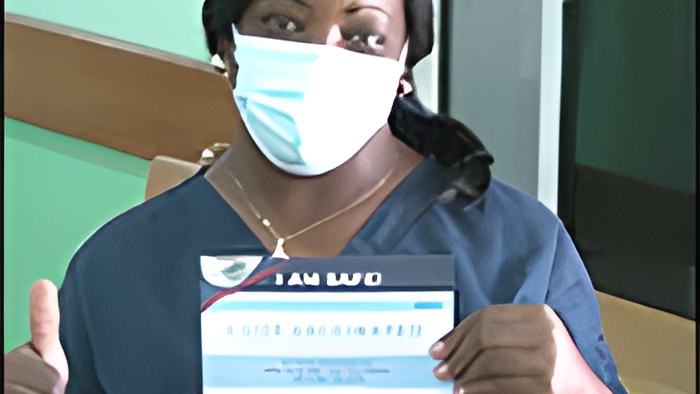
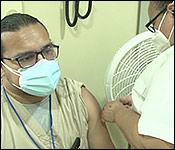
And this afternoon Cherisse Halsall headed to the KHMH to document the experiences of a doctor and two members of auxiliary staff at the front of the line for AstraZeneca dose one.
It's day 5 of Belize's COVID-19 vaccination rollout and while Monday was marked by headline-making speeches and snapshots efforts haven't seized.
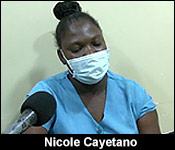
And over at the KHMH, priority front liners are continuously lining up, some of them reluctantly, to get their first jab. We spoke to one woman who chose inoculation for the most selfless of reasons.
Nicole Cayetano, Domestic Auxiliary
"When I come to work everyday I pray that I don't get it and take it home to my kids them, because you know you don't want your kids to get it and suffer from it. I work in the Covid unit. So I got vaccinated to protect them."
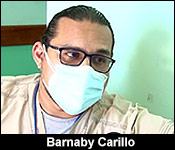
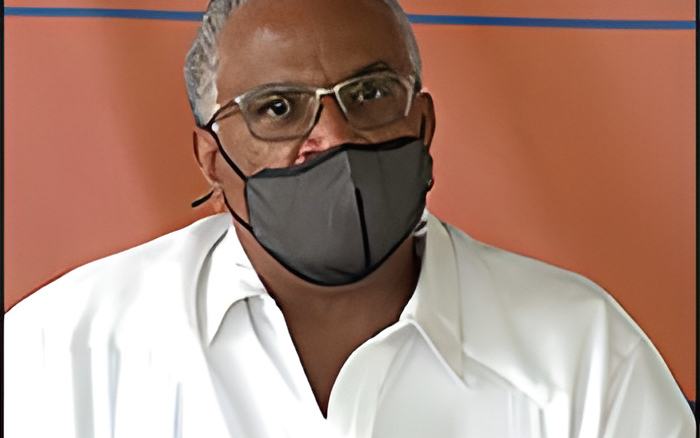
Barnaby Carillo, Head of Radiology Department
"I will feel much safer and I will feel that the people that are around me will be much safer also. Science has shown that it's very important to take it because the vaccines like any other vaccines in essence they prevent in this case death, complications from COVID. We already know that people don't only die from COVID but some of them tend to stay with long term consequences. Apart from that, it has been shown that especially with the AstraZeneca vaccines - have been shown that it actually prevents transmission. So for those 2 reasons it's very important for me."
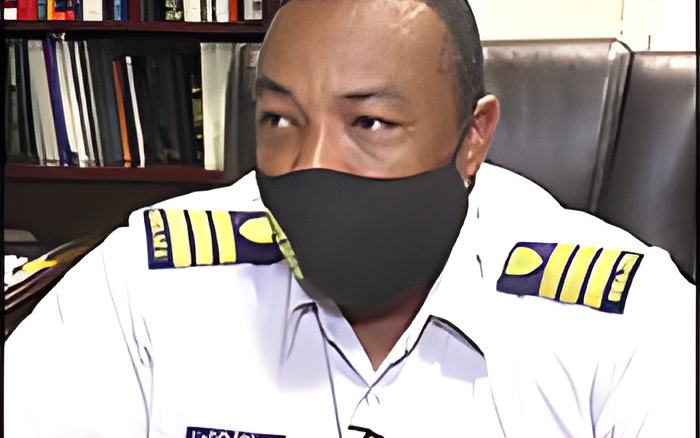
It's a process being helmed by Unit manager turned Vaccination nurse Faye Issacs.
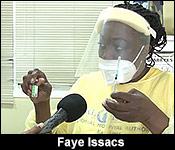
Faye Issacs, UNIT Manager and Vaccination Nurse
"This vial of the AstraZeneca vaccine contains 10-11 doses of 0.5 it is being stored at 0.2 degrees in the cooler, these are the carriers, and so when we get. The staff is being screened from the beginning and being evaluated by our 2 doctors then the staff come in and they receive the vaccines. So we still do coaching because people are afraid although we are medical staff, we're still afraid of the needles."
And apart from those needles, many are still wary of the vaccine's contents with one misconception being that it contains a trace of the deadly virus.
But that's a misconception, the kind that can only be countered by an education campaign or, for now, the one woman hallway educator, Dr. Yenesie Cruz.
This morning she told me that the AstraZeneca vaccine isn't made from a portion of an active COVID-19 virus but instead from a lab made synthetic copy of the virus's proteins.
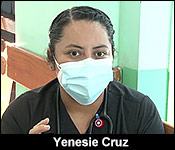
Yenesie Cruz, Emergency Medical Specialist, KHMH
"We all know that our body reacts and has to create a defense mechanism to imagine it being little solders. So these vaccines when we give these proteins our body reacts to it and creates soldiers or creates anti-bodies against these little pieces of either dead viruses or proteins or pieces of that virus that we put in the vaccine. Why? So that when you are exposed to the actual virus your immune system or the little soldiers in your body, they are already going to recognize it, they are going to say oh I know this and they are going to be able to react quicker before the virus causes a whole effect on your body."
And that's the gist of the vaccine's promise for Balito Santos. Santos is an attendant in the COVID-ICU responsible for transporting COVID positive patients, turning them to avoid bedsores, and even removing the bodies of those who succumb to the disease.
That's been his role since November and today as he sat ready to be inoculated he was hopeful but remained concerned.
Balito Santos, Attendant assigned to COVID UNIT
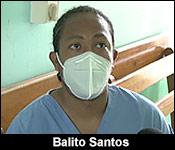
"It's my hope that it can be a thing of the past with us taking this step. My only concern is that the virus is a relatively new virus and you know a lot of vaccines take years to perfect, so then being that the strain just came out and the vaccine just came out as well, we don't know whether the long term effect of having taking the vaccine. I don't like months or a year from now it has a negative effect on my body. Overall I think it's a good thing and I think everybody should consider taking it. if we want to move on from having to sanitize every time having to use a mask on our faces."
Cherisse Halsall:
"Why is it so important that the people who work here get vaccinated?"
Yenesie Cruz, Emergency Medical Specialist, KHMH
"Well because a lot of people lie that's the main thing so we work here and we ask the people that come here. Have you gotten exposed to someone with the virus, and the say no and then once they're already inside the ward, they pass emergency, pass everything and they're in the ward and then after 2 days they say you know what yes I was exposed, my mom was positive and I am having symptoms now and after all of that has happen that patient got exposed to my nurse at the beginning, to the doctor afterwards and to every single step before they got to the ward. That's why it is important for every single person here to get the vaccine."