And the community spread connected to this most recent wave of COVID cases in Belize is causing the Ministry of Health and Wellness to refine its contact tracing logistics.
The Ministry says that the general public has been dutifully showing up to health facilities countrywide at the slightest suspicion that they were exposed to the virus. The resulting problem is that the health professionals are spending all that time every day to conduct tests on persons who aren't infected.
The net effect is that all those test takers with very casual exposure to the virus, who weren't really at risk of contracting COVID, are causing bottlenecks for the new patients who are actually sick and need medical attention.
In a press release from Wednesday, the Ministry asked employers and supervisors to avoid sending their entire staff to the clinics whenever a member of staff tests positive. Instead, they will move in to conduct proper contact tracing, and they will determine which staff members are at risk as to the true close contacts to the positive case.
We asked Dr. Diaz about that press release:
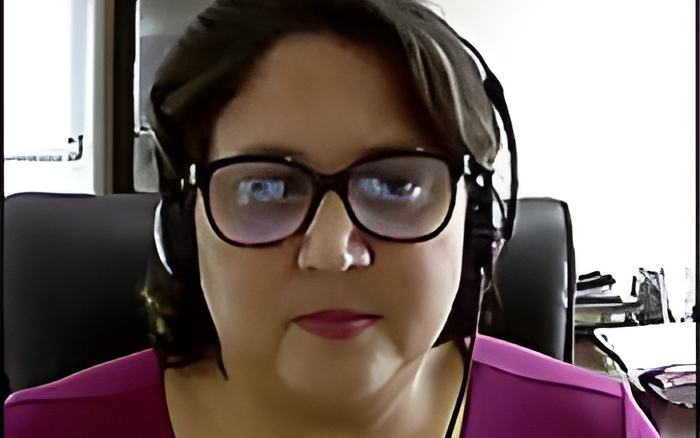
Dr. Melissa Diaz - Deputy Regional Manager, Central Health Region
"We placed this press release out for many reasons. First, we need to take back control of how the testing is being done, ensure that persons who are definitely close contacts are being identified and isolated early. And we're also trying to ensure that we pick up vulnerable persons, so persons who we know will not do well if they get COVID. So, we're trying to look for persons who are elderly, persons with diabetes, with hypertension, with obesity. These are the people who we need to target."
"It is absolutely futile to test 500 people and get all negatives, and then miss the positive person, and the sick people. So, what we're trying to do, we're trying to control an outbreak. We're trying to stop transmission, and we're trying to ensure that the integrity of our health system remains."
"We've got to ensure that we are able to pick up the persons who we want to reach, and the people who are more than likely infected. And if we're able to do that, we'll be better able to contain the spread. So basically, all we're saying in the release is that if you have - so we have all workplaces opened. If you have one or 2 staff in your workplace who tested positive, we're asking employers/supervisors, don't let the other 25 - and say, okay go to the clinic. We want you to ensure that the persons who work closely in that department with that positive case, are sent home, and we will contact your workplace. So, we are in contact with many of the supervisors, and we get a list of who the close contacts are, and then from our definition, we go through these contacts, and then we would call you and say, don't go to Cleopatra, but we want 10 persons from x company to come to the testing site at Central Health Region at 10 a.m. That will help us a lot because we want persons who are symptomatic, persons who are unwell, we want our health staff at the clinics to be seeing these people. So, we don't want these people lost in a crowd of a hundred people, and they'd have to call us and say, you know, I can't breathe, but I'm out at Cleopatra or Matron Roberts, but there are 100 people in front of me who are just worried and want a test."
"We're asking the general public that if you have a case in your facility, at your workplace, who tested positive, but you basically saw them for a minute. They came into the office. They opened the door in front of you. You are not considered a close contact at that point. So, continue with your strict adherence to your public health measures, and if a few days pass, and you get symptoms, of course, we're asking you not to stay home. Come and get checked if you feel unwell. But don't just, because a supervisor or someone says, okay, the 30 of you get up and go to Cleopatra White, that's proven very futile for us. But yes, close contacts will be swabbed."
The Ministry stresses that the optimum time to get tested for COVID is about 3-5 days after the date when you think you were exposed to someone with the virus. The virus has an incubation period, and so, if you go get tested mere hours after exposure, for example, it will not show up in the results.