
As we end year two of life with COVID - we know that all around the world, businesses have had to shut down, workers became unemployed, and economies were close to crumbling…..It's the COVID cash crunch and no one is safe from it, not even hospitals. You'd think because more and more people needed to be hospitalized, that meant the institutions – and by extension the doctors – were making record earnings.
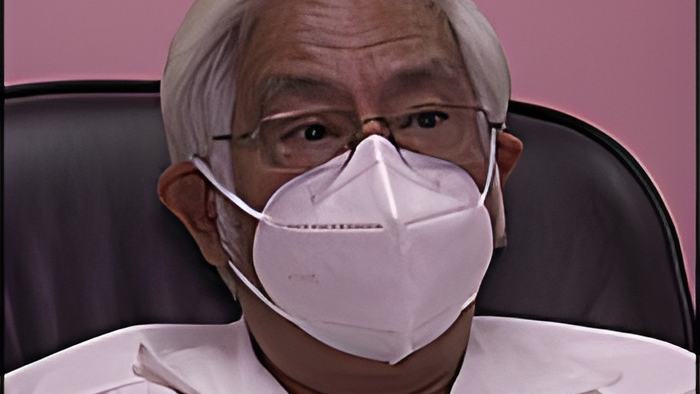
But, hospitals say the pandemic has necessitated additional expenditure - and that is compounded with bills not being paid - especially those in the many thousands of dollars. And even private facilities are feeling the pinch. According to Dr Marcelo Coyi from Belize Medical Associates, the hospital's operational costs have risen by approximately 30% since the start of the pandemic. And since most COVID patients opt to go to the KHMH where it's cheaper, their ICU hasn't been full. Today he spoke to us about the additional expenditure that the hospital had to incur:
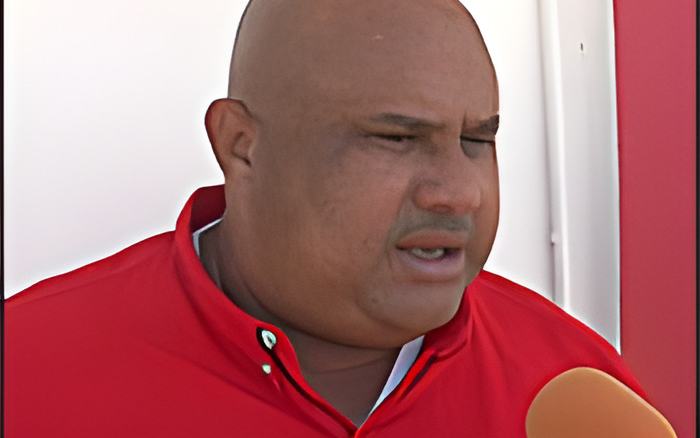
Dr. Marcelo Coyi - Belize Medical Associates
"As you know we don't produce hospital supplies and medication in Belize, everything is imported and what made it worse in the beginning is that these supplies, we used to get it through the United States, through agents there, and when President Trump was president in the USA, he blocked the exportation to Belize so we at Belize Medical Associates had to source these same supplies from Europe and China and India and the shipping has made a big difference to the operational cost and to the hospitals there are certain things, for example we had to supply all our employees with masks, certainly people who were dealing with COVID patients, even more personal protection equipment, we had to provide to them and for example an N95 which in the beginning was selling for 10, 12 dollars, when you multiply that it's quite a sum. Now it has gone down to about 4,5 dollars for an N95 which is what we used in the industry. And this is all supplies, the PPE's, everything we used we import so yes it has drastically increased our operational cost. We have several operations here at BMA, we have the clinic, the imaging department, pharmacy, lab and the hospital. At the clinic, we have had a decrease in the number of patients who visit the doctor so they don't come until they're really sick. For example in my area, less women have been coming for their pap smears and mammograms so the clinic and the lab and the pharmacy that deal with the outpatient section, the income has gone down. However, the hospitalization, as you mentioned, has gone up and there are two reasons for that, one is for patients who'd opt to go to Mexico and Guatemala would stay in Belize to do their surgery now and two we have had the COVID patients and that's intensive care for the hospitalized patient, not the management of COVID on the outside, but once you get hospitalized and you're ventilated and you have to use these expensive drugs like the monoclonal antibodies which we have available, a dose for a patient is about $14,000 just for the monoclonal antibodies and all the other one, the drugs are expensive drugs, it's quite expensive when you have COVID and you need to be hospitalized and need high flow oxygen or ventilation even worse and these pharmaceuticals, it becomes very expensive for the patient. When you need high flow oxygen, the cost go up, when you need ventilation and an ICU setting it's even more expensive so you know people who spend a week here and you don't know how long you'll stay in ventilation but a week at the ICU can very easily bring you to $50,000, $70,000 a week here."
And while that is one side of the story - COVID testing has been a huge bonanza for private medical facilities. Dr. Coyi conceded that providing COVID testing at $75 for a rapid test and $300 for a PCR test has somewhat offset some of the increased operational costs. We'll be following this money side of the story in the coming weeks.