

When the original form of the COVID virus first devastated Belize and the rest of the world, the incubation period for the infection was generally accepted as 4 to 7 days, which meant that full recovery could be as much as 14 - 21 days.
Now that a significant portion of the population has been vaccinated, the increase in immunity means that the recovery period from infections is shorter, and the symptoms are generally less severe compared to 2020.
The press asked about the incubation and recovery from infections of the BA.5 subvariants, and here's how the Director of Public Health and Wellness answered that question:
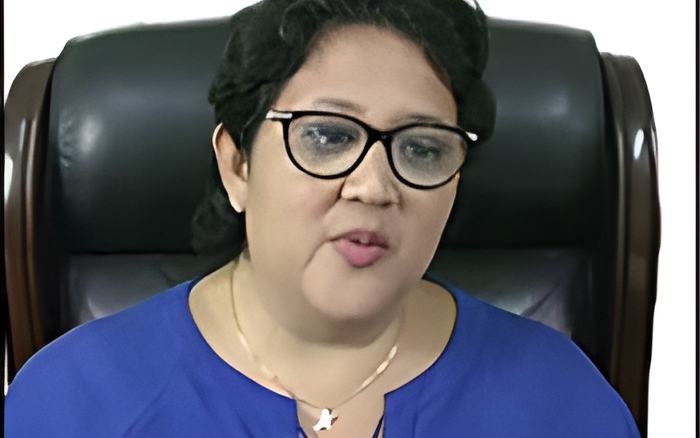
Dr. Melissa Musa - Director, Public Health & Wellness
"When we compare the original COVID 19 virus, and when we looked at the Delta virus, the Delta variant, and now Omicron, we know that the incubation period has lessened. If you can recall, at the beginning of the pandemic, we were looking at 14 days of the incubation period. So if you were, for instance, exposed to somebody who was positive, you have from the day of the exposure until 14 days on average to be able to, you know, have some symptom or show some sign that you have been infected. With Omicron, we are seeing and the research is showing that the incubation period has lessened. So we're looking at 3 to 5 days. So if I'm exposed today, I go into quarantine for three days and I test and I'm negative on average, it's unlikely that I'm infected. Now, please remain cognizant of the fact that not everybody falls into these statistics. You may have one or two persons whose body had tried to fight it off prior, and they get infected seven days after or six days after. So, it's a guy with especially if that exposure has been removed from you. So, if you were exposed at work but that person is not isolated, you can look at an incubation, an average of 3 to 5 days."