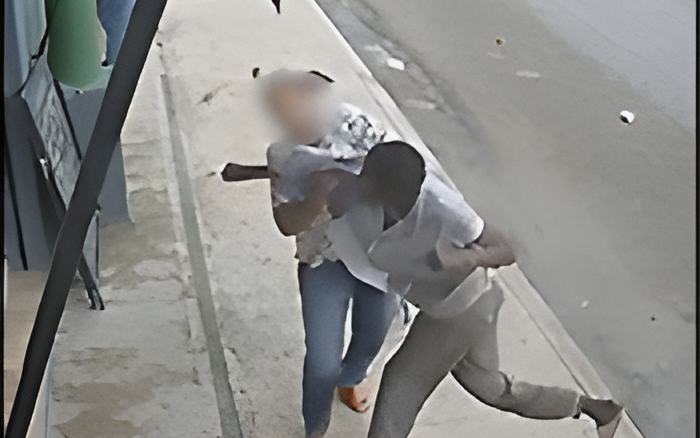

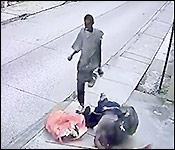
And those kinds of mental health crises are far more prevalent than most of us would care to admit. Already in tonight's news - two of the stories have been about persons facing such a crisis.
And, as conversations around public safety and mental health intensify, the founder of the Mental Health Association, Kathy Esquivel is urging the public to separate fear from fact.
Following the recent incidents, the Mental Health Association is calling for a more informed, and humane response to mental illness, particularly during crisis situations.
Esquivel says acts of violence involving people with mental illness are often misunderstood and overstated, noting that individuals with mental health conditions are far more likely to be victims of violence than perpetrators.
Kathy Esquivel, Founder - Mental Health Association

"Well first I want to stress that incidents of mentally ill people becoming violent are actually rarer than incidents where mentally ill people have violence upon themselves. So I am in no way apologizing or saying that we shouldn't do something. The thing is, mental illness is something that is treatable but not curable. And just like if you have diabetes, or high blood pressure, say, and you suddenly have a spike in blood pressure, and you need to go to the hospital to have it treated, but you don't stay in hospital for life, you get treated. Now, in the same way, people with severe mental illnesses, especially psychosis, It's a chronic illness like diabetes or blood pressure but there can be acute incidents where suddenly the person gets out of control and so it's the acute incidents that we need to deal with."
"But there are always people who don't take their medication or who miss or whatever. Those are the people that you see sometimes when the acute incident becomes severe. Now, the psychiatric unit does not have the authority to pick people up. It's the police that must pick people up. The police do have training. There's a training module in the training for police. But it's difficult. They often don't know how to deal with these incidents. There's a protocol. They can call on the psychiatric unit to be with them, to advise them. I don't think they usually do. Now, we also need a structure. If the police pick someone up, what are they supposed to do? We know from incidents before, we don't want them just thrown in the cell. The Mental Health Association has put forward the proposal that we need a small forensic unit. It would be a small unit, maybe four beds, where, with the legal structure, magistrates could authorize people who seemed to be in danger of getting out of hand could be picked up, could be in the forensic unit for a short period, stabilized, and then from there a decision would be made. Can they go back to their families? If they have, should they be in the prison? If there was a criminal offense, whatever. So that is one suggestion that we would like to push forward."
"There's no way you can say, well, I have a right to beat him up because he did something bad. That's street justice, which is no justice at all. So no, there's no way that as a society we should condone that."
The Mental Health Association's proposed Forensic Unit was proposed to the government two years ago, but no movement has been made on it.