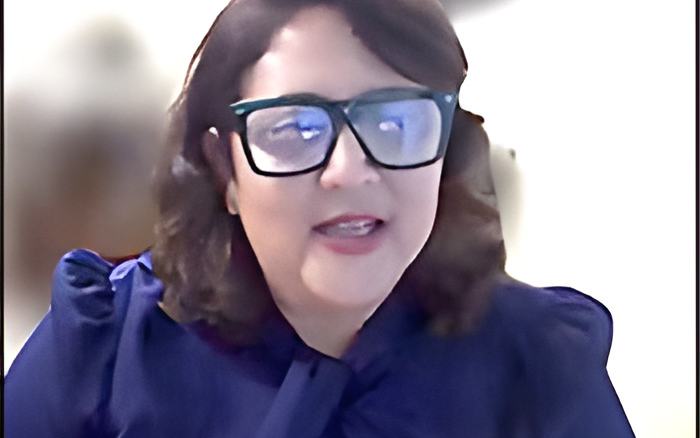
And when it comes to medication for non-communicable diseases, even if you've been treating one for years, Dr Diaz explained that it's important to get frequent check-ups - which can occur whenever you get a new prescription.
Dr Melissa Diaz, Director of Health and Wellness, MOHW
"We're trying to do a lot in public health to prevent NCDs. But what about the persons who already have the NCDs. What do we do? It's important that a diagnosis is made by your doctor, because there's certain criteria that you need to make a diagnosis. If you are just in a huge argument and you're stressed out and your blood pressure is borderline, that doesn't mean that you're automatically a hypertensive. There are certain ways that we need to monitor and to look at your blood pressure and make that determination that you're hypertensive. a diabetic as well. if you come in and you have a blood sugar of 350, there's certain criteria that we have to say, yes, this is definitely you are a diabetic. So your diagnosis is important. And once you're diagnosed and started on medication, the monitoring is key because diabetes, for example, affects from your head to your toe. It can affect your brain, can cause strokes, depression, thyroid disease, blindness, heart disease, kidney disease, amputation. So diabetes is one of those diseases that we say affects your microvascular and your microvascular, So your large vessels and your small vessels."
"Many people have called me over the last week to say, I've been on my medicine for five years, now you all want the prescription? So I said, have you been to see a doctor? Have you checked your eyes? Have you checked your heart? No, because I feel good. Well, diabetes and more so hypertension are silent killers."
"It's not about taking away rights or it's not about trying to control the population, but we have the mandate to ensure that we have a safe and healthy population. And how do we do that? We need to encourage people to see their doctor for initiation."