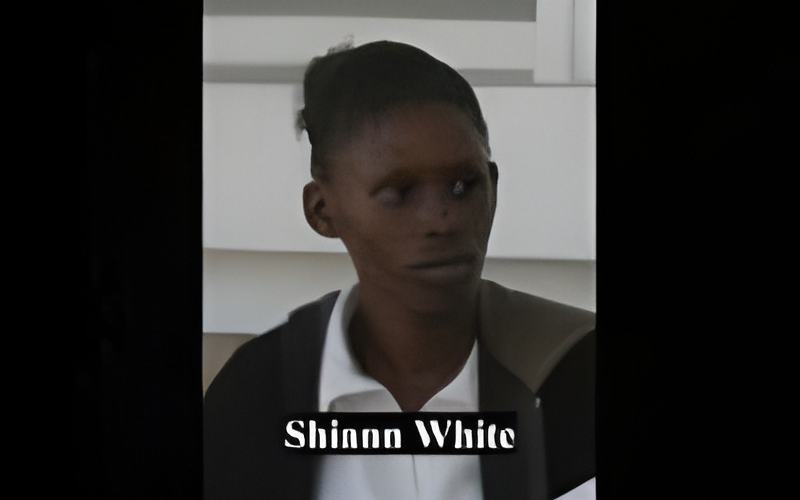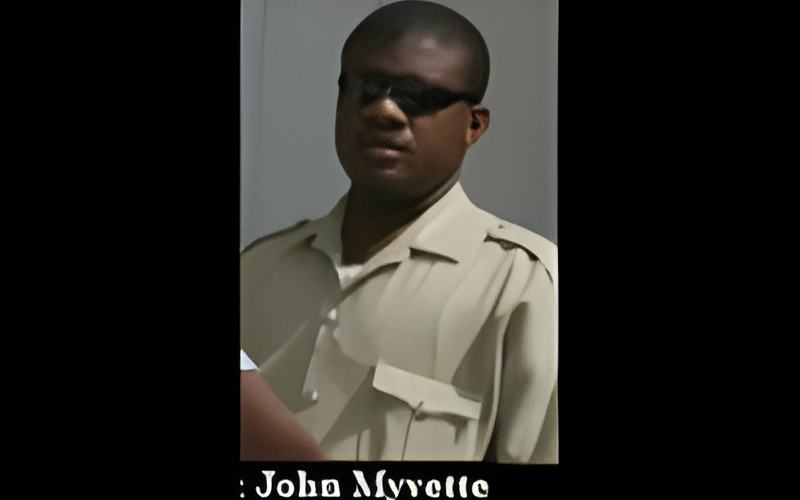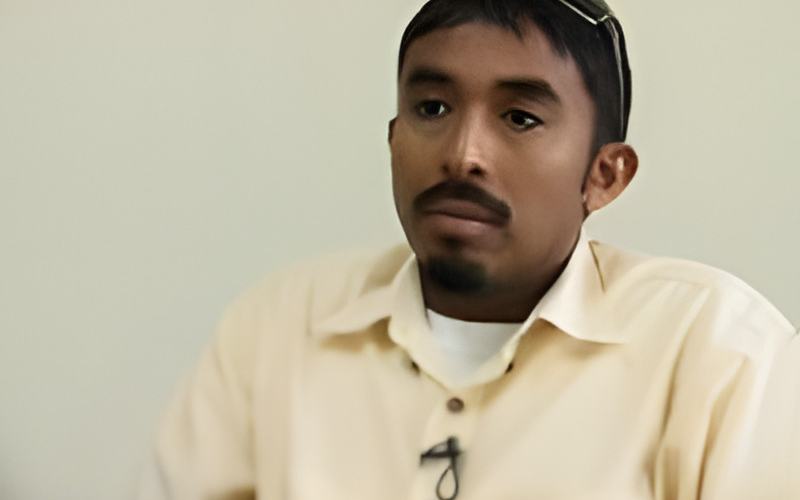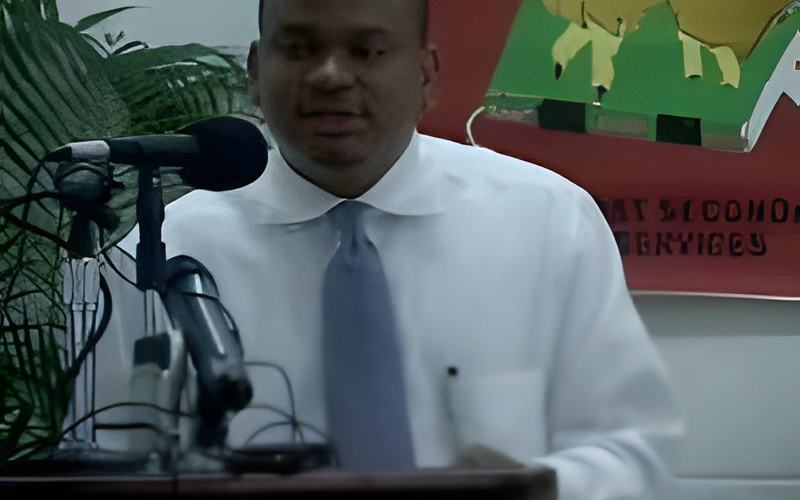
Heard of the perfect storm? What about the perfect disaster? Well, if there is such a thing, the National Emergency Management Organization staged it today in the Cayo District. It’s the combination of an earthquake leading to a dam break leading to a massive flood – all coinciding with a weather system. Sounds kind of like the storyline for 2012, right? It’s not – NEMO says it is a maximum credible event – and they involved 3,500 people in the biggest disaster simulation ever playing out all across the Cayo District. We were there in the planning stage this morning.
Jules Vasquez Reporting,
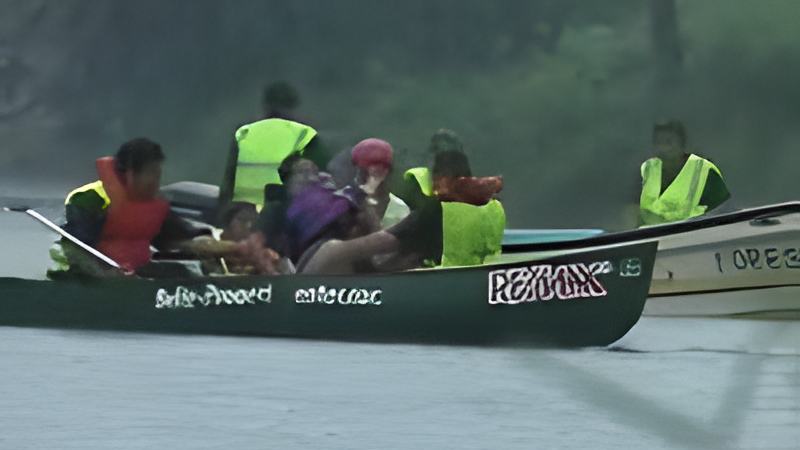
This is the rescue of a woman drowning in the Macal River. It’s just a simulation – she’s not really drowning but it’s a small part of the biggest live simulation in NEMO’s history.
Jules Vasquez,
“Is this the largest single simulation you all have done?”
Major Shelton DeFour, NEMO
“Yes it’s the largest single live event simulation."
And this group is going over the details of
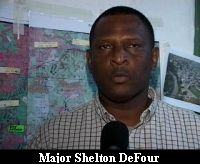
that event.
Major Shelton DeFour,
“Basically today we are testing the dam early warning system for Challilo or for the dams in Cayo and what we are looking at is the siren system to see if it will work, how people will react to it if they hear it, and how people will get to safety. In a nutshell that is what we are trying to achieve.”
And the scenario is that simultaneous occurrence of a dam break and bad weather.
Major Shelton DeFour,
“Well basically we have a weather system building up some pressure in terms of flooding in the Cayo District and that will be complicated by an earthquake which should trigger the warning system to ensure that people react to the drills that have been set out in the plan and that has been practiced by the committee.”
And it was rehearsed down to every detail by the district coordinator Al Westby.
Al Westby, NEMO District Coordinator – Cayo
“We’re trying to make sure that our plans are adequate and that they can work in the case if such an event like a dam break, flash flood, and at the same time we are testing the sirens, we are testing the readiness of schools and the areas that should be affected. I think we could handle it in real time because we have been doing our work in the villages, we have been doing our educational process, we’ve gone through the plan with the villages and the towns; the flood plan, our emergency plan, and henceforth the reason for this exercise to fine tune and adjust whatever we need to adjust on the plans.”
But in the end, the real disaster response – the one that happens when floods like the one in 2008 – occurred - requires the kind of improvisation
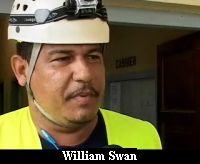
that no textbook can detail. No one knows better than William Swan who played a critical response role in the floods of 2008 and is doing the same thing in this simulation.
Jules Vasquez,
“To an extent emergencies have to be managed on the ground, the management plan must be flexible enough to adjust, to be elastic in real time.”
William Swan, Cayo Emergency Response Rescue Team
“Well yes sometimes you put it on paper but sometimes the real deal, you know it is a different scenario because on the paper we might plan it one way but you know mother nature has its own way so we cannot plan on paper for most of the real deal that happens on the ground.”
Jules Vasquez,
“Isn’t the biggest part of disaster readiness, disaster preparedness, isn’t the biggest part of it having resources?”
William Swan,
“That is a major part but as a rescue team set we try to be self-sustainable so what we do is try to organize most of the stuff on our own and we don’t rely much on NEMO and the Government because it is a country for all of us and we are supposed to play our role and our part.”
And on this day – that role was the simulated rescue of this drowning woman. It went well enough from our vantage point and at the end of the day – after many more scenarios like this play - NEMO will have a better idea as to their real readiness. Defour says bring it on.
Jules Vasquez,
“There is a fair probability especially with what we’ve seen with earthquakes that it could happen.”
Major Shelton DeFour,
“Exactly and that is what NEMO is all about. We do our business in such a way that we plan for the real thing. We want to be overwhelmed. We want to be tested and we want to be pushed to the limit. We don’t want to do something that is fixed and well stage managed, we want to see where the problems are so we could actually fix them and go into the rest of the year preparing to save lives as our mission dictates.”
Most of the simulation played out this afternoon and regrettably we weren’t able to stick around for it. But NEMO had key personnel making assessments on the ground at all times and they will make assessments and render grades in all those areas.