
An estimated 500 to 600 refugees from across Central America have entered Belize over the past few months.
During routine field operations, home visits, and rural assessments, officers from law enforcement, Human Development, and the Department of Immigration encounter these individuals weekly. Every case is unique, shaped by the complex circumstances that drove them to seek refuge in Belize.
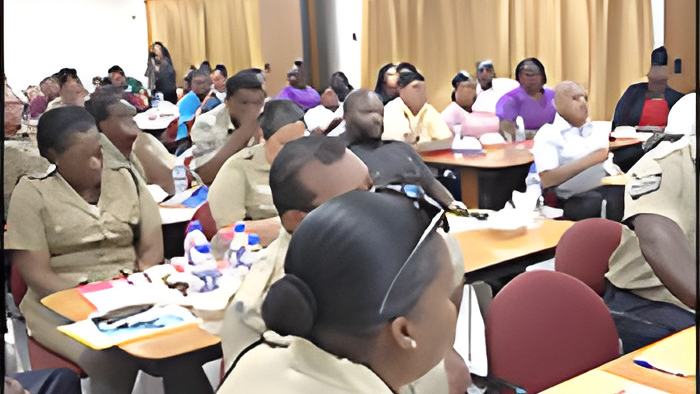
Today, the Department of Refugees convened a multi-agency stakeholder session to establish clear protocols for handling these cases and guiding officers on proper intervention procedures.
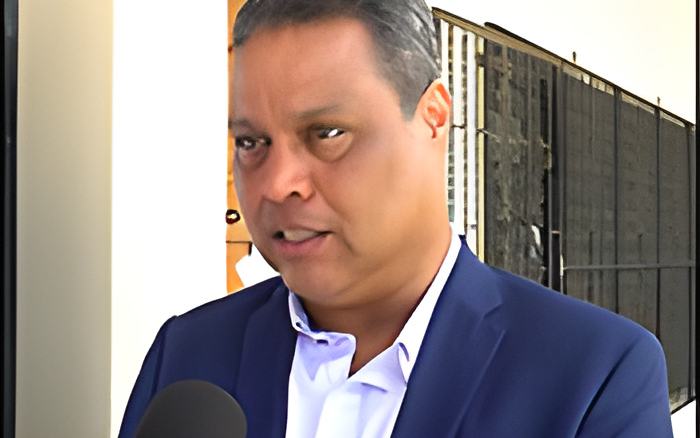
The Director of the Refugee Department outlined the focus of today's training:

Nikolai Zelaya, Director, Refugees Department
"We are doing a bit of institutional outreach today and we are at the Belize Institute of Management, we are conducting this training it is a bit of a sensitization project, the stakeholders that we have chosen to include in this are people who we think may at some point during the course of the day have contact with refugees or asylum seekers. So we invited the Police Department, Immigration, Customs, community health workers, we have some representatives from the Belize City Council, a couple of other government departments."
"The Refugees Act provides that persons who may come in contact with asylum seekers that there is a referral system wherein these persons are obliged under law to refer them to the Refugees Department, one of the issues that we have always had is that people don't know of the existence of the Refugees Department, and people do not know what they can and cannot do once it comes to asylum seekers so that is where the importance of these sensitization sessions come. We try to educate as much as possible we try to pass that information to those who need it the most."
Jomarie Lanza:
"What would you say are some of the most frequently asked questions when approaching these cases?"
Nikolai Zelaya:
"The most frequently asked question is actually the concept that people do not really understand the difference between refugees and migrants. A migrant is a person who is here because they chose to come here whereas a refugee, well an asylum seeker is here because they were forced to be here. They may be running away from a natural disaster, the crime in their country the war in their country there are a number of reasons why people would come here. That is the primary issue and secondly like I had mentioned before that people don't know what they can and cannot do, sometimes people are not even aware that they can have international protection."