Governance improvement, it used to be just one more glib political term that politicians casually employ to give the impression that they are serious about good government, devolving power, true democracy and all that talk which sells well with the IFI's but doesn't mean much in Lake I, if you know what we mean. But try shutting down schools for 12 days, pelting the National Assembly building with concrete ripped from its own stairs, and closing down government offices and revenue centers for a week and that's when government really gets the sense of what governance improvement is.
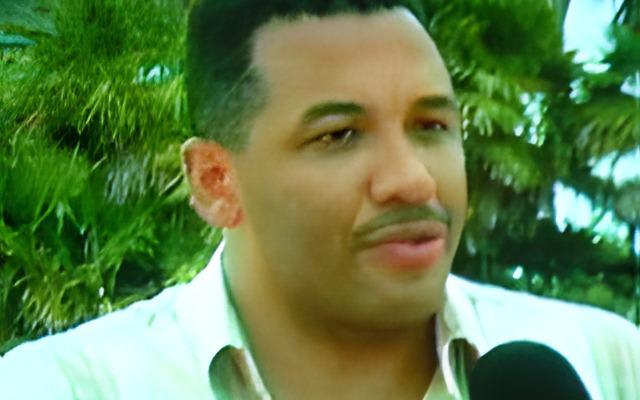
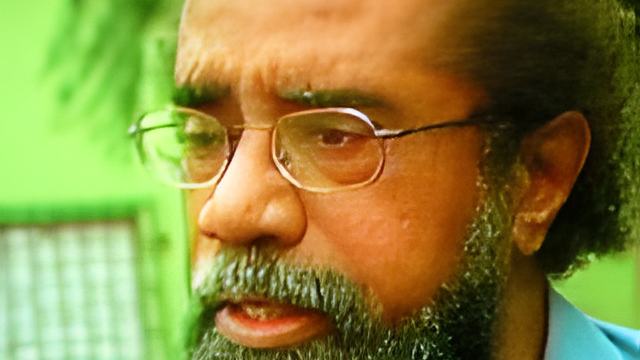
That's what happened in real time between January 14th and February 11th 2005 - a period of unrest that culminated with unprecedented strides in governance improvement. But the work doesn't end there, and the Governance Improvement Commission led by pro-tem Chair Luz Longsworth is holding a series of public lectures to broaden the discussion in what is called a citizen engagement strategy. Leading the way is University of West Indies Professor Neville Duncan. He is the guest speaker at the lectures and he told us, the truth is that Caribbean governments have failed their people.
Neville Duncan, UWI Professor
"Because the truth is if you look at Caribbean governments they have not really delivered the goods that they promised, including here, and basically they have not been able to do this because they have kept the people out. The people haven't defined what is priority, what is really important, and therefore they need now to give a real voice to people to bring about positive changes that are needed to change the lives of people at the bottom of the ladder. When I look at the bottom, 20% of the population, and ask myself what is genuinely improved for them on a sustainable basis, over the past 20 years in each Caribbean country there is not one that I can say that's succeeded in transforming the lives of these people. So that's where genuinely I believe all Caribbean governments have failed us and what you find now throughout the Caribbean is lots of revolts. Some of the revolts are basically illegal, crime and murder are a form of revolt, and others you block roads, you go on long weeks of public strikes, and then you see these strikes are not the normal strikes. You see the rest of the society and other civil society groups are coming in on them and saying these issues are important for us too. You settle with that group and you need to settle with us too on what exactly we are going to get for whatever you are asking of us. If you are increasing taxes, what is it you are offering us that's different. And the governance areas saying that we want to come in there, we are not against increased taxes but we want to hear from you what is your plan; we want to agree with you that what you are planning is good for us. And once you have our agreement and our support then you can raise taxes and whatever you like providing we have an understanding but you can't avoid us, you can't ignore us, deal with us. That's what the new revolt is saying."
Duncan was the featured presented yesterday at the UWI campus for continuing studies. He led a discussion with high schoolers form across the country. The citizen engagement strategy will be continuing with other campaigns.
7NEWS produced for broadcast by News Director Jules Vasquez
Edited for the internet by Keith Swift