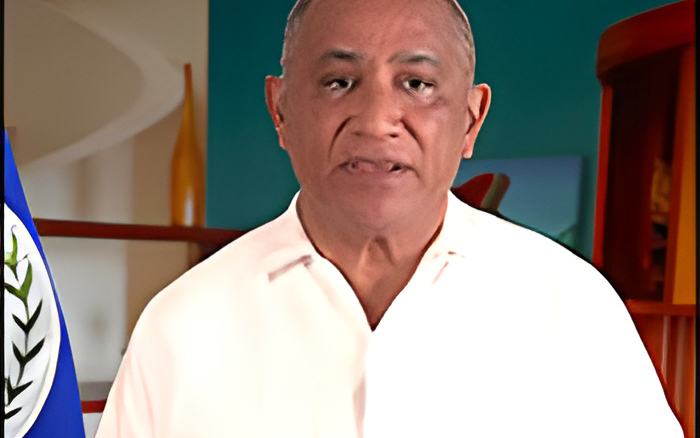
And this morning on Sunup on 7, the PM spoke about some of the topics that will be on the Caricom discussion table. The first is undoubtedly the COVID pandemic which has rampaged the world like a two-year long hurricane, destroying economies, businesses, and even lives. And it was in this interview that the PM first announced that regulations would be relaxed. As we told you earlier, tonight will be the last time you have to be in your home by 11pm. But the PM explained that this means more of the responsibility to keep COVID numbers low will be on residents rather than the government.
Hon. John Briceno, Prime Minister
"This is the first time that we would meet face to face since the pandemic in 2020, well it's almost two years, 2022. So there are things that- we have a long history with the Caribbean islands, we had the same colonial masters, we have pretty much the same system of governance and we have the same issues that are affecting. Obviously the first thing is the issue of the COVID 19, its response and recovery. Here in Belize we worked hard to get the vaccinations for all of our citizens, and we've passed the 50% target. I think WHO put a target of 45%, we've reached just about 50% of our population that have gotten the vaccine. And now we're looking at starting to move away from all the rules and regulations that we had during COVID to now to post COVID. COVID is going to be around, it's not going anywhere so we need to learn to live with it. Here in Belize, as I said, our public health campaign has been pretty much successful to educate people and making them be aware of wearing masks, washing your hands, and social distancing and vaccinating yourself. But now more and more people are believing, feeling that it is a time now that we need to move the responsibility from the state to the person itself, personal responsibility. We will still continue to be able to provide the vaccines, and continue to educate people but we need to start to open up the economy and that's what Caricom is talking about and so it's the same thing for us in Belize. Pretty soon we'll be making some announcement, probably today or tomorrow where we will b e moving away from a lot of the regulations that we have, the testing, but insisting on vaccinations, that you need to get vaccinated to leave the country and maybe start to say if you're not vaccinated you can't get into certain places. It's time for restaurants to be able to open, it's time for the entertainment industry to start to get back to work, they've been going through a very difficult time. So we'll be talking about the response and recovery in Caricom."
Climate change and financing for developing countries are two more topics that are expected to be discussed at the Caricom meeting.
Hon. John Briceno, Prime Minister
"Secondly the issue of climate change, climate change affects each and every one of us especially in the region, we have droughts when we're supposed to have rain, we have rain when we're not supposed to have rain, we have hurricanes, and it's having a direct impact on us in the Caribbean and it is something that we did not create, it is the developed countries that created that. And as we've been saying and I said this out loud in Glasgow in COP26, we don't want to talk about adaptation, we want to talk about mitigation. Adaptation means that a lot of the coastline of Belize is going to be underwater. Adaptation means that quite likely parts of coral, we're going to losing part of the coral reef because the water will change its salinity and temperatures so we want to talk about trying to do mitigation in trying to keep the temperatures at no more than 1.5 degrees Celsius, we need to keep it there but it seems it's going to work beyond that. But the most frustrating thing for developing countries in the Caribbean is that the developed countries are claiming they're going to help us make whatever adaptations but they don't give us the money and that's when I lashed out at them that we are doing our part, you're not doing your part, you need to make the monies available for us to be able to make the necessary changes and to be able to help us so climate change is going to be a big matter. And the issue of financing for development. COVID has affected every country in the world but specially the developing countries. In Belie before COVID the poverty rate was already at 50% in 2018 under the UDP and the estimates right now is that poverty is probably at 60% and it is something that we cannot have almost 2/3 of our people living in poverty but we need to have access in financing to be able to invest in education, to invest in national health insurance, to invest in our infrastructure, to create opportunities for out people. People don't want to beg, they want to work."