Earlier in the week, we told you how the Supreme Court awarded Former Prime Minister Dean Barrow 185 thousand dollars.
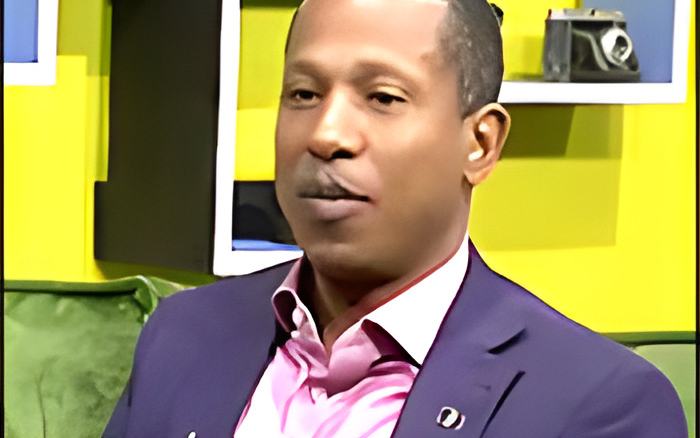
That's because, according to Justice Lisa Shoman, the final report of the Briceno Government's Commission of Inquiry unfairly defamed the former PM. He, like former Deputy PM Hugo Patt, complained to the court that the Commission of Inquiry did not allow him the opportunity to defend his reputation before the Commission published its report, which included negative conclusions about him.
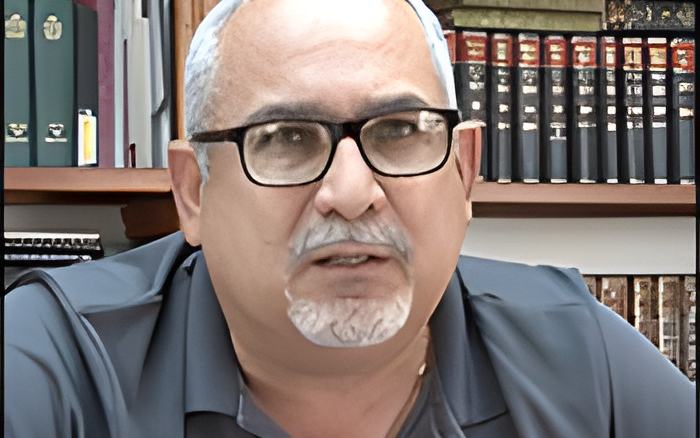
In total, the government has been ordered to pay both Patt and Barrow 330 thousand dollars. So, what does Andrew Marshalleck, the Chairman of the Commission of Inquiry, think about the outcome of these cases? We got to question him about what has become the most costly Commission ever. Here's what he had to say:
Daniel Ortiz
"What are your immediate reactions to the outcome of that case?"
E. Andrew Marshalleck, SC - Chairman, Commission of Inquiry
"Well, I still think the awards are high. I can recall right off, doing the case for Julius Espat, when he was unlawfully removed from the House, in breach of his constitutional rights, I think it was about 60,000. So, it just strikes me as high, given the nature of the transgression. I think the effect of mental anguish that they're being compensated for has been greatly exaggerated and that some of this anguish may have flowed from their own misunderstanding of the meaning and effect of the terms of the report. But that is a matter for the Government. The Commission did not engage on any submissions regarding quantum. The Government is being expertly advised on that. I'm sure They'll act on that advice. I don't want to interfere with that."
Daniel Ortiz
"The reason those awards are so high is because the harm or the error of the Salmon Letter was particularly egregious and that it's supposedly a lesson for future commissions not to commit this sort of injury to their character."
E. Andrew Marshalleck, SC - Managing Partner, Barrow & Company
"You know, if there were a decision on that issue, then I would have probably been aware of it, and it would not have been a problem. There has been no decision in this jurisdiction that those letters are required. We're advised that it is. So, from that standpoint, that it highlights the need for it, sure, there's a benefit to be gained from that. But I think there is a gross exaggeration as to the impact of it. Okay. All oversights mechanisms here are subject to criticism, and none of them work as they should. Okay. If you subject anything to that kind of minute scrutiny, you can find things wrong. And when you engage in this kind of activity where you're seeking to hold officers at the highest level, and with that degree of sophistication, accountable, you can engage in that kind of fight and not expect to be hit. That's unreasonable. If you're going to engage in that fight, you have to be prepared to fight it."