

body,td,th { font-family: Arial; font-style: normal; font-weight: normal; }
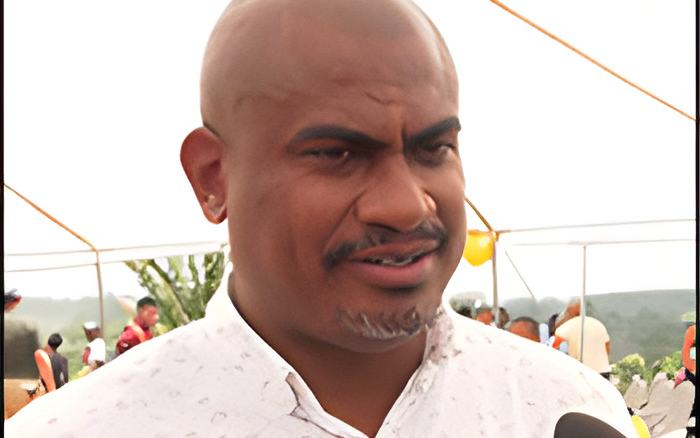
And his colleague, Julius Espat, agreed with those sentiments. He said he even consulted a lawyer who shot down the document. Still, he added that, however flawed, the document must be debated in the House of Representatives as is:
Julius Espat, Minister of Infrastructure Dev. & Housing
"My concern is an equitable distribution if we are going to do this exercise. You have to follow international norms that determines what your your range is and and and you cannot play with it. Why am I saying this? Because it might hurt some of us that we might not like it. But at the end of the day, it has to pass legal scrutiny."
"And so at the meeting, I ask one question to one of the attorneys. Can this document pass legal scrutiny? And he said it won't last 10 minutes and therefore, that was enough for me. And then I ask another question. What was the level of flexibility given in the numbers? International norms are telling us that we should be plus or -15% from the number. Meaning the equal number. But this proposal was over 25%. And so I immediately and did not have any problem voicing my discontent with it. We can't fool ourselves. We can put a document that will not pass scrutiny. And if we are doing that, then it's it's irresponsible. And so and that basically is and not only myself, many others."
"That is, in essence, why we we put out a statement stating that we have serious concerns and they said it nicer than me."
Reporter:
"Does it then go back to the commission or it has to be tabled as is"
Julius Espat, Minister of Infrastructure Dev. & Housing
"It has to be tabled and it has to be debated in the House and Parliament will decide whether they will now accept it or not."