

On Monday, four pieces of banking legislation will be debated in the House of Representatives. For the PUP Deputy Leader Mark Espat, the Bills represent what he called a quote, “sinister backdoor attempt to get government hands on the savings of individuals and businesses.” Today the Governor of the Central Bank Glenford Ysaguirre – who stressed he had no interest in responding to Espat – did grant that interview we requested yesterday. He discussed the overall thrust of the four pieces of legislation which he explained offers Central Bank another tool to control money supply and excess liquidity in the banking system. Presently the only monetary management tool that the Central Bank has is the reserve requirement and the cash reserve requirement.
Of course, if you’re not a banker – all this is French to you. But there is something significant in the package of legislation for consumers and that is the possibility but not the promise of lower lending rates at the commercial banks. Ysaguirre explained how the new regulatory tools could achieve this.
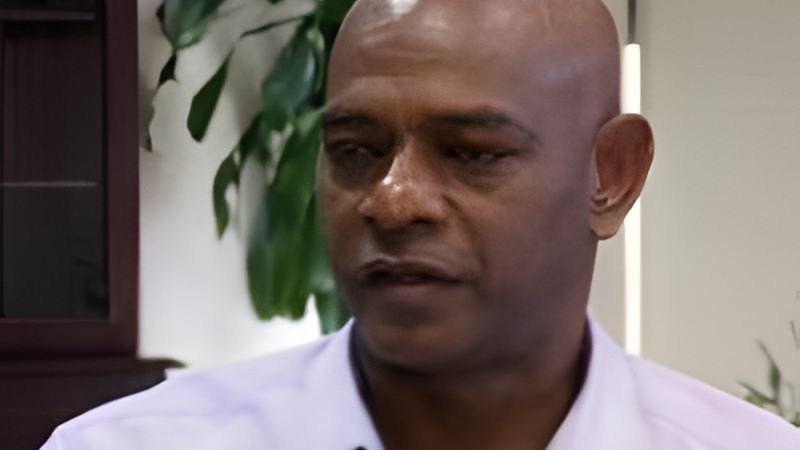
Glen Ysaguierre, Governor of the Central Bank
“The idea here now is to introduce other tools that would reduce our reliance and reserve requirement manipulation to control money supply and excess liquidity in the system. With the use of securities we can intervene in the market by offering securities for sale. If you want to expand credit you can buy securities and put cash out in the system; if you want to contract the amount of cash available for credit, you can sell securities and extract money from the system.”
Jules Vasquez,
“Isn’t the liquid cash reserve as it presently stands, a sort of insurance?”
Glen Ysaguierre,
“The cash reserve requirement? It is in the absence of a deposit insurance scheme, yes it does act as a sort of insurance for depositors. But that’s not going anywhere, government paper is I guess the most risk free paper you can get in the country.
In terms of the wider discussion of the interest rate issue – banks would say to us you know what the interest rates are high because the cash reserve requirements are high and it sterilizes a certain portion of their funds. So as a part of this measure we will now have the flexibility to reduce that cash reserve requirement – which would allow them to invest those moneys that are now released in treasury and it will be earning interest for them which should serve to improve the efficiency of the commercial banks.”
Jules Vasquez,
“So the expected outcome is that it would have a lowering effect on interest rates?”
Glen Ysaguierre,
“One would expect that it should influence the level of interest rates to some degree but I don’t want to build any expectations that this is a direct cause and effect situation. It is not like that and those things will take a period of time to take effect.”
And while as we said – Ysaguirre deliberately steered clear of getting into a back and forth with a politician – we expect that will not be the case on Monday when the matter is debated in the House. We’ll have that for you on Monday.