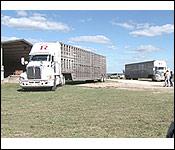
Cattle farmers across the country can breathe a sigh of relief after over 600 animals were approved for exportation to Mexico. Since election, cows have been going across to Guatemala through an informal back door - but today, the Mexico route was official.
Courtney Menzies traveled up north where the Ministry of Agriculture, and their partners, celebrated this achievement.
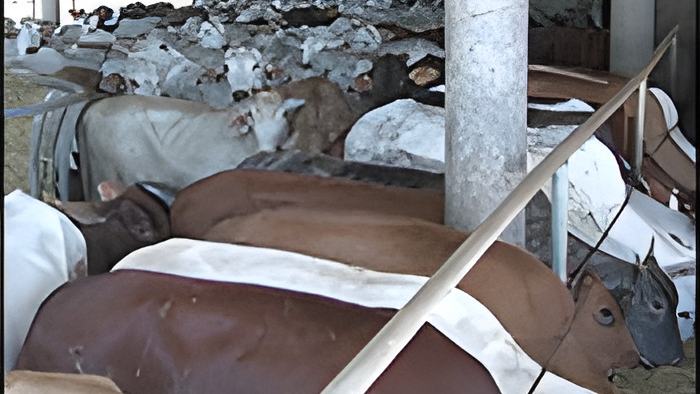
Approximately 630 cows from Blue Creek are ready to be exported to Mexico over the next few days. It's a huge feat for farmers, whose cattle surplus had grown into the thousands with borders being closed for almost nine months. The new government reinstituted the cattle trade through Guatemala to ease the financial strain they faced, and now that trade has expanded to include our neighbors in the north.
The first shipment of cattle from Blue Creek to Mexico actually occurred back in September, under the UDP government. 241 cows were imported by SuKarne, the same company that is responsible for this shipment. But that previous shipment was a one-time deal. According to the Minister of Agriculture, it's a process that could - and should - have begun long ago, but the previous government opted to wait until the rest of the country was approved for exporting.
Now, the new ministry has committed to ensuring that Blue Creek farmers can continue to trade their stock.
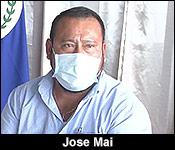
Jose Mai, Minister of Agriculture
"This is important as we know that if you have a product and no market for it, then you have no product. So it is important because the marketing link established here today is what all farmers would want in this country. At this time, we have a surplus of livestock that is even more important for us, for the farmers. We need to do this every single day and for the betterment of this country, which is broke and needs foreign exchange as early as possible and as much as possible. It is very important for us."
"It has been a long process and lots of negotiation regarding the animals' health aspect, the sweeps which - essentially the blood testing we refer commonly as sweeps, they had to test every single animal for two diseases. That has gone on for more than 5 years, it's continued until we have reached this point. I understand that Blue Creek had already been approved for exporting to Mexico but previous government, cabinet's decision was to - let's wait, we want the entire country to be able to export at the same time. That never happened, so when the border closed down in March then they said, well let's provide the alternative, let Blue Creek start to export, so it's been a long lengthy process."
While this is a relief for Blue Creek farmers, what about those in the other districts? Mindy Garcia from BLPA answered that question and explained why the Orange Walk village was the first to be approved.
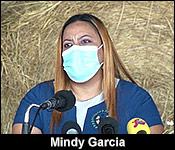
Mindy Garcia, BLPA
"Blue Creek is one of the first communities where this cattle sweep started. The pilot project was done here, hence they finished their sweep earlier than the rest of the country. They submitted their epidemiological report and that's how they got from Mexico, their SENASICA approved as a low prevalence community. That's how they were able to get to export animals for slaughter. Recently they have received the okay now or the green light for the entire district of Orange walk to be able to move animals for fattening as well as for slaughter."
"Another requirement from SENASICA at the time was to send an epidemiological report for the entire country of Belize since we had just finished the fifth sweep. Until now, we cannot report any update on SENASICA's end as to what happened with the revision of this report but we're hoping to get good reports from SENASICA after the revision of this epidemiological report and have the whole country be able to export animals to Mexico."
And with Mexico onboard, the Ministry is also interested in expanding the trade to other Central American countries.
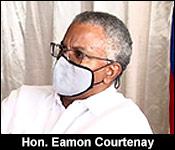
Eamon Courtenay, Foreign Affairs Minister
"The Prime Minister has put a lot of emphasis on opening up the Mexican market, not only for livestock but for other products as you know we used to sell a lot of aqua-culture products into Mexico, they have been hit by disease but once that comes back we should try to use the Mexican market again. With respect to Central American, there's a process with Guatemala which needs to be reinvigorated and of course we have spoken to the Ambassador for Salvador and signaled to the El Salvador government that we would like to start an engagement with them. We have had very fruitful discussions with the secretary general of SICA, the Central American Integration System, and again signaling that Belize is back, Belize is interested in Central America."
Minister Mai said while this is a learning process for everyone involved, he expects that other companies in Mexico will begin showing interest in Belize's cattle industry, and the market will only keep expanding for the farmers - an earnest hope after decades of touring to break into this market.
BAHA was responsible for vetting the animals to ensure that all importation requirements were met.