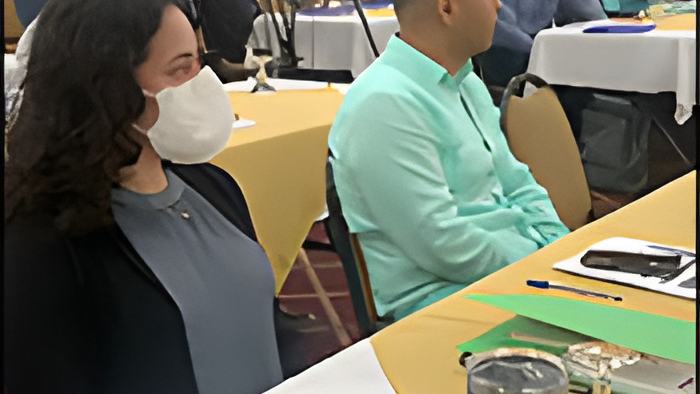
This morning, the government and its multilateral partners had a major event at the Biltmore Plaza Hotel. They were engaged in a comprehensive review of all the work done in support of the country's micro, small, and medium-sized enterprises, collectively known as the MSMEs.
It's called the Green Climate Fund Readiness Support for Strengthening Belize Private Sector Access To Climate Finance Project. That'a mouthful but it's all about providing support and relief programs to micro, small, and medium-sized enterprises. These are businesses that have 1 to 50 employees and which also have an annual turnover of up to 500 thousand Belize dollars.
This group of private sector constituents was offered funding during the worst periods of the 2020 economic contraction due to COVID. That's because, according to a 2021 survey by the Statistical Institute of Belize, they make up 98% of all Belizean businesses in operation. 73% of the MSMEs are micro-businesses.
According to the government, the MSMEs have made a slow shift to the implementation of climate-resilient features in their businesses. The effects of climate change continue to be a lingering concern on the minds of the residents of the Caribbean and Latin America who must contend with the dangers of annual hurricane seasons. Well, under this GCF project, Belize's MSMEs could receive funding to scale up the climate resilience of their enterprises.
We stopped by to find out more from a few of the keynote speakers:
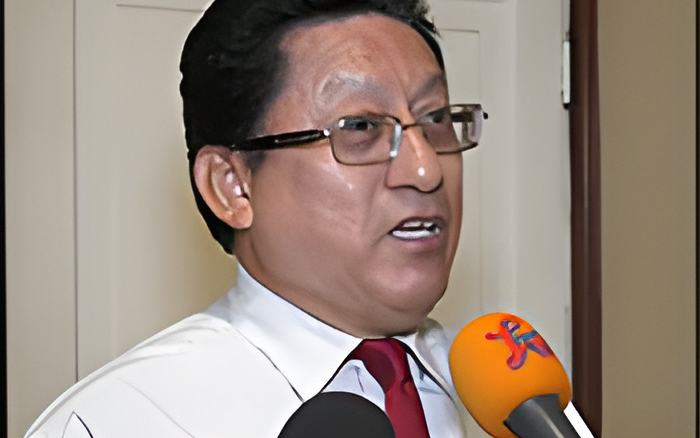
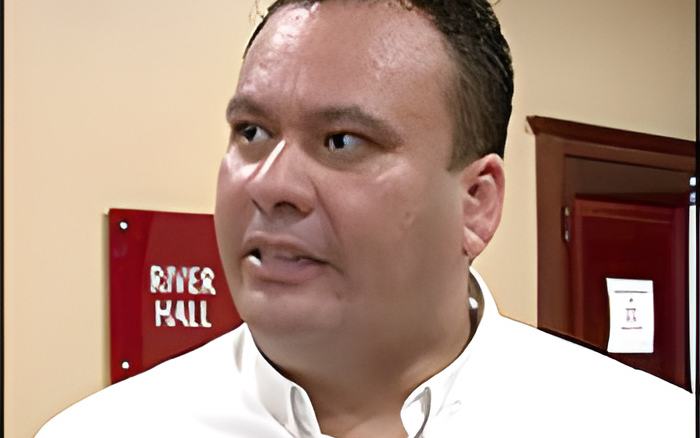
Dr. Osmond Martinez - CEO, Ministry of Economic Development
"The main outcome that we expect from it is MSMEs will be able to access climate finance. Accessing climate financing will be either 1, it's either a grant, which is free money, and 2, concessionary loans, which is between 0.01% to 0.02% interest rate. So, it's low-cost financing. There are 3 in Belize that is in the process of getting accredited with GCF. One of them is DFC. The second one is the Ministry of Economy Development, and the third one is SIF. It is also important to note that we have two entities that are already accredited. One is PACT, and the other is the 5Cs."
"You have two categories in climate finance. You have mitigation, and you have adaptation. Mitigation means that we have issues with drought. We have issues with flooding. Belize is ranked #8 in the world for being one of the most vulnerable countries to climate and its impact of climate. Now we have 192 countries, but Belize is ranked 8th. So, we're in the top 10."

Kim Aikman - CEO, Belize Chamber of Commerce & Industry
"We thank the NDA for its inclusion of the private sector and for supporting the BCCI's request to bring this initiative to our members and the wider private. The Chamber looks forward to more opportunities to partner with the Ministry to continue the work that is underway because work in taking climate action is a continuous one. It doesn't end here; it's just beginning."
Dr. Osmond Martinez - CEO, Ministry of Economic Development
"It is not the government's responsibility to grow an economy. It is the private sector. The government's responsibility is to enable a friendly environment to put the proper policies in place so that the private sector can grow. One of them is access to low finance. Without finance, you will not be able to invest."
"This readiness project, entitled Strengthening Belize Private Sector Access To Climate Finance, was crafted to support overcoming the barriers that prevent them from accessing climate finance. When I looked at it, I was very interested because I was a young entrepreneur once, and when I went to the bank to try to get some funds so that I can expand my business, moving from a start-up to a point of view to a growing stage."
"All the banks looked at me and laughed. They didn't take me seriously, and that is a challenge for the MSMEs in Belize. When one took my offer, they gave me a 13% interest rate and two years to pay it back. Which MSME will survive with that type of financing?"