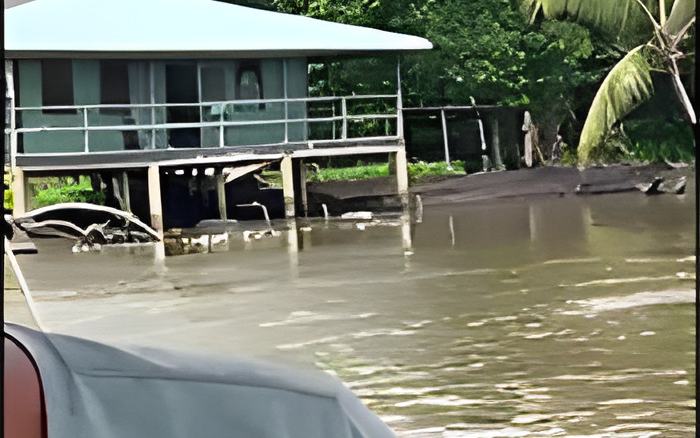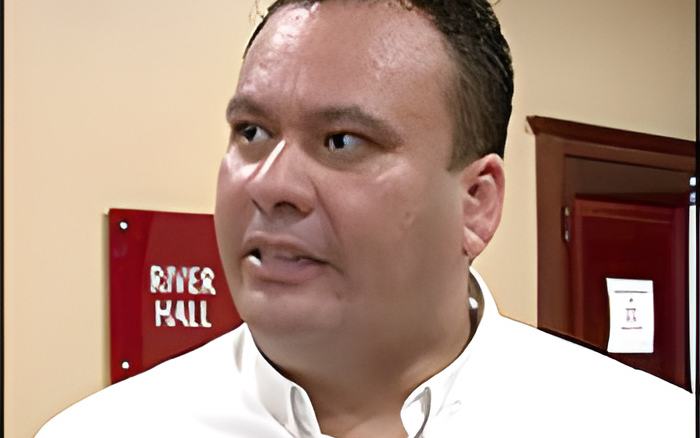

According to CEO Martinez, the issue of climate financing also has international dimensions. That's because, in his opinion, the developed nations of the world must start to meet their financial pledges and promises to the smaller nations which are the most devastated by climate change.
As viewers are aware, climate justice advocates were disappointed last year at Glassgow for COP-26. That's because the developed countries, which are responsible for the biggest emissions of carbon dioxide into the atmosphere, did not give a firm commitment to taking the necessary action that would be needed to keep the average temperature of the world's climate below 1.5 degrees Celsius above pre-industrial levels.
Here's how the CEO made the case that Belize and the other nations of Latin America and the Caribbean need to keep the pressure up at COP-27:
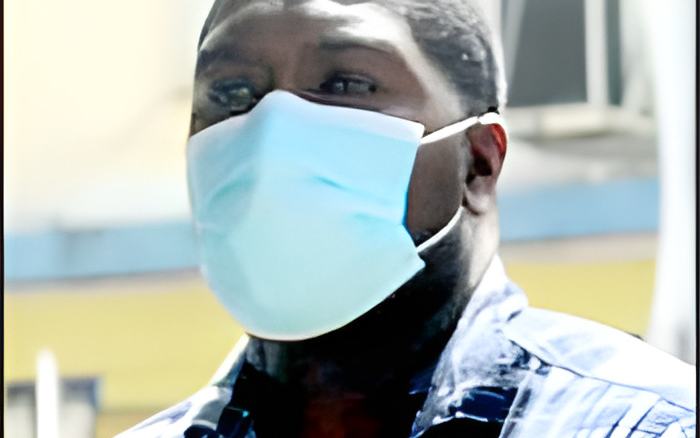
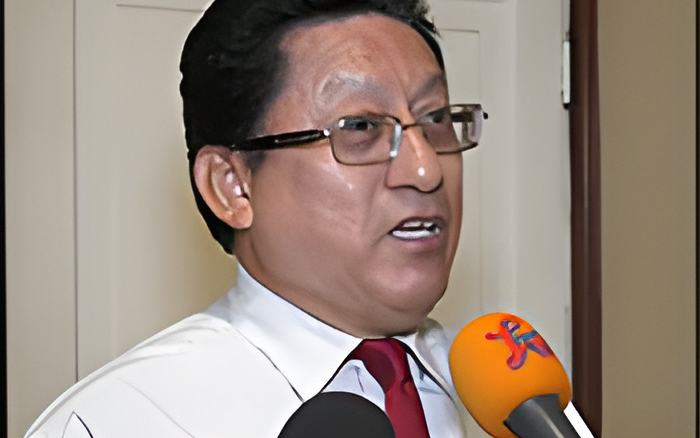
Dr. Osmond Martinez - CEO, Ministry of Economic Development
"The developed nations, those who are high contributors to CO2 emissions and need to put the money and pay countries like Belize, which are low contributors to CO2. Because countries like Belize or Belize have become a carbon sink, but no one is paying for Belize. We need to get what is ours, and GCF is there to facilitate that avenue. However, I understand that still, in all the developed nations, those who are high contributors to CO2 emissions are not making their contributions up. They have pledged. And so we need to continue to ask for it and go after that."
Daniel Ortiz
"How important is the Conference of Parties in getting access to that financing from the developed nations that are the biggest contributor to climate change?"
Dr. Osmond Martinez
"Well, we need to continue to do what we are doing right now. And one, I think our honorable prime minister has been clear in advocating for Belize. But we also need to have a collective voice as a region. When I speak about a region, I'm no longer saying the Caribbean region. It's Latin America and the Caribbean because we all are being impacted by the phenomenon of climate change. And so, together, we have to go back no to COP-27. Together, we have to look first at GCF and say, listen, we need what is ours. But in order to do that, first, we need to develop our internal structure that will be able to absorb those types of finance."