So, as you heard, it is estimated that some 57 thousand tonnes of cane will be left in the fields, some of which couldn't be delivered due to the 14-day loss in productivity due to the early season protest.
The Belize Sugar Cane Farmers Association members staged the protest because they didn't think they were getting fair financial returns for the cane they delivered to the mill. Viewers will remember that the BSCFA insisted that the commercial agreement they had with the millers, BSI/ASR, was not - in their opinion - equitable value sharing.
When the two sides couldn't find common ground to sign a new commercial agreement, the business relationship deteriorated into a costly stand-off for the entire industry. So, will this dispute re-occur in the next season? That's what we asked the BSI/ASR lead representative at today's end-of-crop event. The last time we asked for an update on this topic, BSI told the press that they were optimistic that a new agreement could be signed before the start of the 2022/2023 crop cycle.
But in the seven months after the stand-off, not much has changed, except two meetings between the two sides and an exchange of proposals and counter-proposals on the main commercial dispute issues.
This morning, we asked BSI/ASR's Shawn Chavarria for an update on these talks from the miller's perspective:
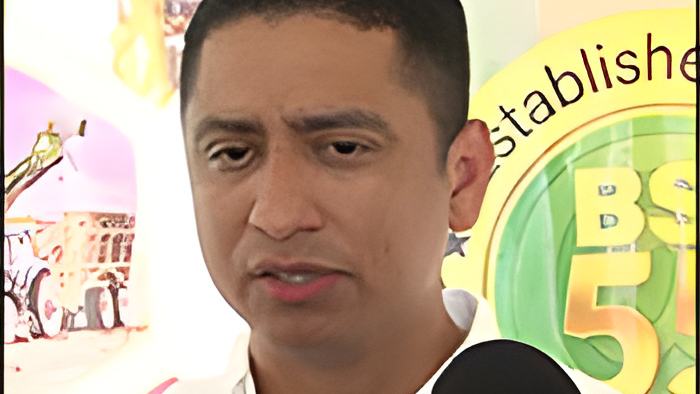
Shawn Chavarria, Director of Finance, ASR/BSI
"I think it hasn't progressed as fast as we would want it to see. We've only had two meetings during the course of the past six months, a few exchanges. I think there is still room for discussions and negotiations. I think one of the big factors we really want to see is an objective assessment on the part of the BSCFA negotiating team to, you know, assess not only the current realities but also the economic arguments that we are presented as to why their proposals would not work. It would result in a 20 million transfer of value away from the mill to the BSCFA in a time when we've just come off $100 million of investment in value-added, in the Big Creek, in these environmental projects. So, simply that would make the mill unviable. It would lead to a slowdown in the industry, which is not in anyone's interest. So, I think really what needs to occur is an objective analysis and assessment of what are the realities, what are the economic arguments, and to also see the benefits that these investments are already having on farmers. I've highlighted the benefit of the DC and Big Creek, that's $5 per tonne of cane, and that's what all that's based on BSI/ASR's investment here in the industry. So, I think if you look at it objectively, there is a way we can move forward."
We also asked Chavarria if the BSCFA can make the case that the mill isn't negotiating in a spirit of give-and-take. Here's how he answered that inquiry:
Reporter
"Can the BSCFA claim that their proposals have not been treated with fairness and full consideration?"
Shawn Chavarria, Director of Finance, ASR/BSI
"I don't think so. We have presented two proposals. We have looked at their option of a 60/40 value share. We have said we are prepared to work with that. The only fundamental difference that we have compared to that is that one, they want a higher payment for bagasse, which we have explained to them we can't do, and we have demonstrated why. We're providing them with the audited financial statements for BELCOGEN to show that it is making losses and it has cumulative losses. The added step was showing them the power purchase agreement with BEL to show that the tariff that the BELCOGEN received does not include a value for bagasse. So, we have already shown all the facts that really for bagasse we can't pay more. So, I think it's time that they move from that argument, right? And the other part that is different from what they initially proposed was the treatment of value-added. As you may know, they want to move away from net strip value, which is the sharing of costs. So, we said, okay, we are prepared to do that, accept all the costs. But, when it comes to value-added sugar because there is an additional cost of the transfer to value-added, well then if you don't want to share in the costs, then we have to treat that as raw sugar. And then, we absorb all the logistics supply chain costs, the handling costs, and the manufacturing costs of that DC sugar. So really, we've taken their proposals, worked with it, and only made those two changes, right? And that's what's before them at the moment. The other option we have offered to them is an opportunity to continue with the existing agreement but to provide them with an audit right of the net value, meaning they could appoint an auditor to audit the working papers of our auditors when the net strip value is being audited, right. One of their arguments of moving away from the existing is the transparency. So, this allows them more transparency."