
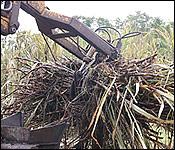
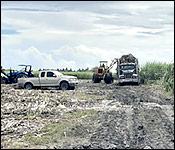
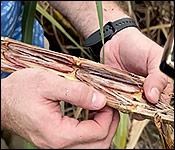
The sugar season - which runs for 6 months - closed today. And, as anticipated, we can confirm tonight that it was one of the worst seasons ever. ASR BSI is expecting losses in the tens of million - while the farmers will lose tens of thousands. What made the season so bad? Well, a combination of factors, including bad weather, and bad roads, but, mostly a fungus called wild fusarium:
The sugar crop started with hope in late December - but ti has ended as one of the worst cane seasons in history:
Shawn Chavarria, Director of Finance, ASR/BSI
"It's it's top three in terms of one of the top three worst crops we've had for sure."
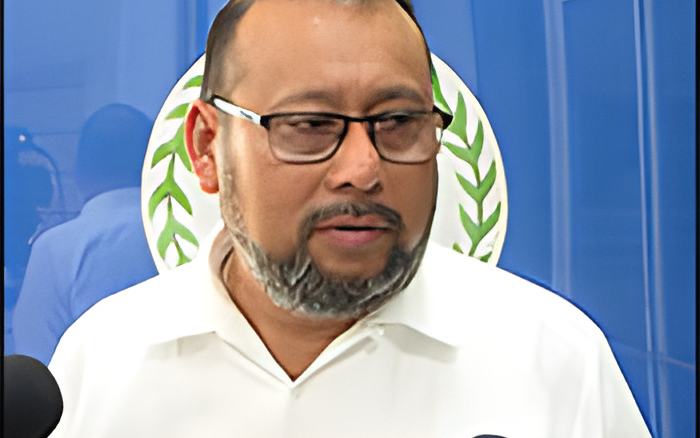
The Minister with responsibility for the Sugar Industry, PM Briceno addressed it at the top of today's house sitting.
John Briceno, Prime Minister

"The effect of it all is that today the sugar crop has come to an end and it will be one of the worse sugar crops we'v had in a long time. By this morning, the estimate is around 880,000 tonnes of cane would have been delivered. What's even worse is that the tons of cane to produce one ton of sugar has been even worse."
Shawn Chavarria, Director of Finance, ASR/BSI
"The previous low was in the 2020 crop when we had the impacts of the severe drought, from 2019, where we had middle just slightly under 900,000, metric tons of cane.
"So for us, it's it's not a very good crop on what has compounded it. Is the lower quality of cane that we receive this year."
"But our TC/TS will end up somewhere around 11.1, 11.2. Which is one of the lowest we've seen since the 2010 crop."
Total sugar production is estimated after liquidation to be somewhere around just under 79.000 metric tons of sugar cane. That's certainly one of the lowest we've had in the past 35 to 40 years. The previous low was in 2008 when we had produced, just over 79,000 metric tons. So we'll be below that figure.
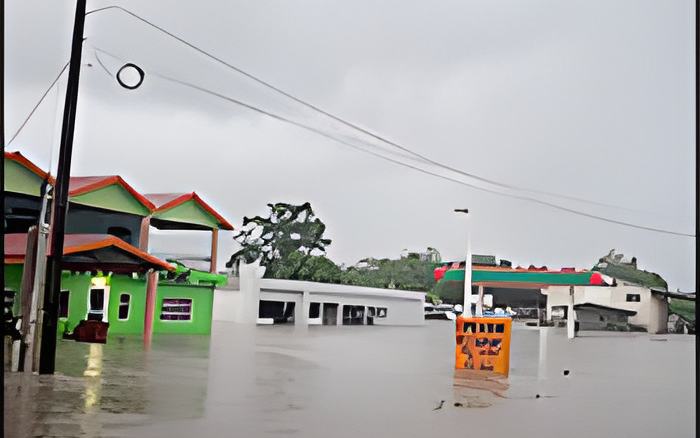
So it's not a very good crop, from our standpoint, has been very challenging. We've had a lot of issues with, weather, disease. We had long stops as well due to, heavy rains at the early, outset of the crop in February and March. We have stopped for a total of 12 days.[00:07:27.42]
And the sharp drop in productivity means financial losses all around:

Shawn Chavarria, Director of Finance, ASR/BSI
"Everyone this year will take a massive hit. From our standpoint, production compared to last year, which even at that level was not ideal at 104,000 metric tons of cane, we're going to be 25% below that, that figure. So our losses will be significant this year in the tens of millions of dollars. Growers with similarly see, reduction in the cane price."
John Briceno, Prime Minister
"The industry is projected to earn 110 million dollars mostly in foreign exchange, representing a significant reduction of 53 million dollars from 163.5 million dollars generated in 2024. Based on the current cane price estimate, farmers are expected to earn no more than 65 dollars per ton of cane this year. This represents a reduction of 25 dollars per ton when compared to the $90.23 per ton that was paid out last year. Our farmers will take home 31 million dollars less than they took home last year."
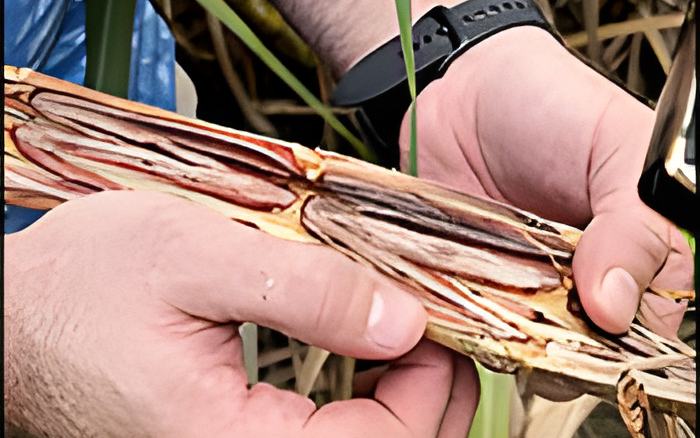
And while there are many factors that led to this dismal outturn - fusarium is the single biggest culprit:
John Briceno, Prime Minister
"Looking ahead, it is clear that fusarium will continue to spread and even become more severe, so much so that this may be the last crop for some of our cane farmers. Next year sugarcane crop is projected to see another fall in production and technicians at SEPC and SIRDI are predicting that production can end up being below 700,000 tons. We must therefore urgently make concrete and targeted interventions if we are to avoid this kind of devastation in the sugar industry."
Olivia Carballo-Avilez, Cane Farmer Relations Manager, ASR/BSI
"But the one thing we know is that we are in a really, really critical state. And Fusarium, fungus, it's a fungus is just, that one symptom that has landed us really in the ICU, at this point."
But, how to fix it is a different matter. ASR/BSI says there needs to be new varieties planted, GOB says they have to find a cure for fusarium:
John Briceno, Prime Minister
"$500,000 has already been identified by the Ministry of Agriculture which will be allocated to a pilot initiative to start ridding these fields of the disease. Last November researchers at SIRDI moved quickly to identify a possible treatment option and earlier this year began testing this technology on 2 un-farmed research plots. The results of this treatment at least in the initiative stages looks very promising. We've also met with ASI/BSR and they have brought in their soil scientist from Florida where they have had a lot of success in dealing with it and they too have also a treatment for this fungus. And so they will be working with us with the Ministry of Agriculture because this is a joint effort to see what would be the best way to halt the spread of this disease and cure the fields that have been infected."
Olivia Carballo-Avilez, Cane Farmer Relations Manager, ASR/BSI

"And this is again, symptoms of old crops, or all the plantations that really need to be replanted. And the transformation really needs to happen."
Shawn Chavarria, Director of Finance, ASR/BSI
"Why the cane is susceptible to pests and disease is because it has not been replanted for many, many years. And so an unhealthy cane, just like a person, if you are unhealthy, if you catch a cold or a flu, you have higher chances of ending up in the hospital."
"And I think that is what we are seeing today, that the fields need to be renovated urgently in order for it to be a healthier cane, with new varieties that are more resistant to some of these pests and diseases, and that way we can see the cane will be more in a better position to tackle some of these, disease and pests."
And while they may differ on this issue - all sides agree this is a make or break moment:
Shawn Chavarria, Director of Finance, ASR/BSI
"So a very tough crop and one that we really need to sit in this off season to see what we need to do to improve the conditions for next year."
"So I think there is opportunity from a funding standpoint and the fact that our problems are solvable, not only on the replanting, but even on mechanization, harvesting of sugarcane can be mechanized."
"We know that this isn't a quick fix, to do a lot of these initiatives will take some time."
"The importance for us is that we need to see a clear signal that there is going to be this push to drive some of these reforms and initiatives that are needed to help turn around this industry. As we said, these problems are solvable. We know what needs to be done. We just need the partnership and the support to get it done."