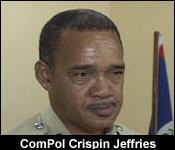
The old wisdom in the public service is that senior officials of the judiciary and the police should have drivers - not so that they can floss around in flashy rides - but so that if there's an accident - the official will be above question and he or she won't have to be investigated for, or prosecuted by junior officers of the court or the police.
That's because it's unrealistic to expect that such a person could objectively investigate or prosecute his or her boss.
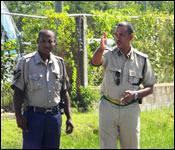
And, fittingly, Police Commissioner Crispin Jeffries had a driver for years, but some months ago that driver was re-assigned to the police training school where he now drives for operation Jaguar.
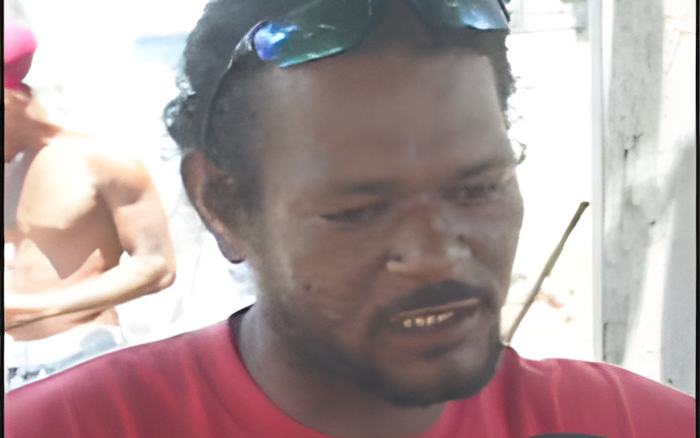
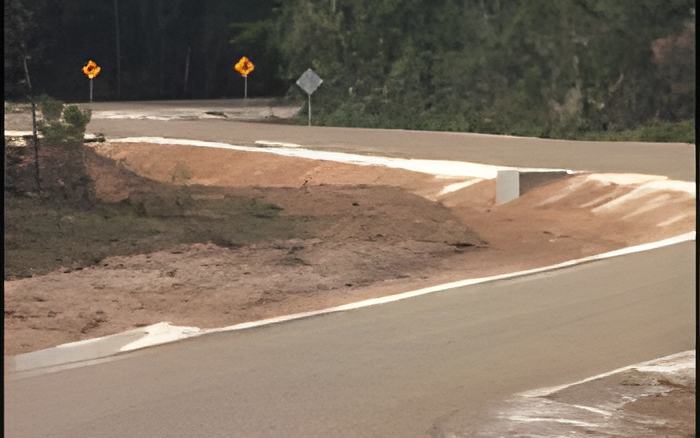
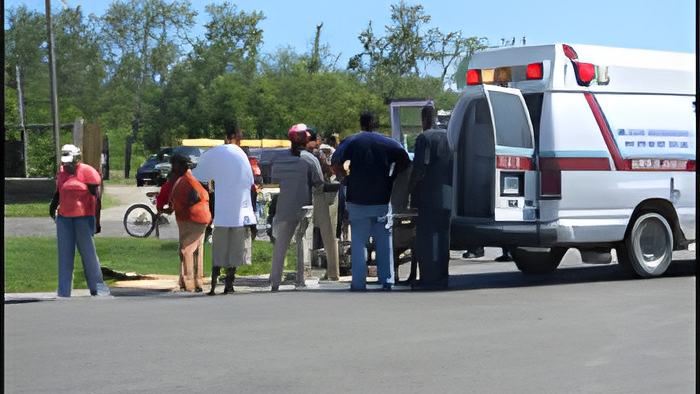
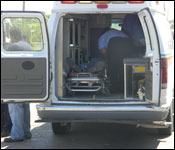
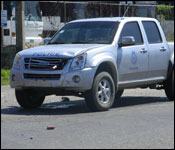
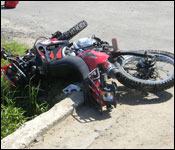
So, on Friday, Commissioner Jeffries was at the wheel of his Isuzu D-Max at mile three on the Western highway when he rear ended a motorcycle driven by 40 year old Vince Parks.
No special measures were taken by police to investigate the Commissioner's role in the accident and so, not surprisingly, his version of events were reflected in the final report in which Parks, the victim was charged. The traffic department - which, again, answers ultimately to Compol Jeffries - found that Parks had gone into Jeffries lane without yielding and that he was driving without due care and attention. We cannot say whether they did this based solely on Jeffries account or whether they had other eyewitnesses attesting to it.
Whatever the case though, the question remains: is it proper for Jeffries to have been investigated by lesser officers? We know that it is standard protocol for police accused of wrongdoing to be investigated by officers of a higher rank. But no one outranks the commissioner, so who should investigate?
7news has looked into the police standing orders and found that it says that quote, "decisions regarding criminal proceedings against police officers will be taken on the advice of the Director Of Public Prosecutions." This traffic offence, though is a summary offence and strictly speaking, not a criminal matter. Still, we are told, it would have been best, for the appearance of propriety, that the file be sent to the DPP for review.
Second, the police standing orders make no provision for an investigation involving the commissioner but the standing orders say, quote:
"In all cases where the facts are not straightforward and readily established, consideration will be given to whether an independent investigating officer should be appointed."
That was not done in this case and there are certainly at least two conflicting views on what happened: Parks says he was safely in his lane while Jeffries said he made a U-turn and did not clear traffic.
And while all that is well and good, it matters little: Police have wrapped up the investigation and found that their commander was not in the wrong. The victim, Parks has been summoned to appear in court.