On October 5th., 2009 - police were called out to the Lord's Ridge Cemetery where they found the body of 20 year old Randy Coye; he had been beaten with a tombstone, stabbed and shot.
Five men were charged - and when we left you on Friday night - a jury of five men and 7 women were deliberating their fate. The jury returned with a verdict at 7:44 pm, three and a half hours after starting their deliberations.
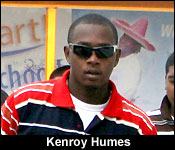
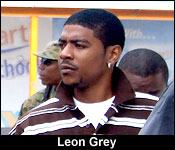
They found 25 year old Deshawn Mena, 25 year old Brandon Smith, 22 year old Leon Gray, 22 year old Kenroy Humes and 29 year old Edwin "Drive" Flowers not guilty of murder. The case turned on the evidence presented by chief witness for the prosecution, Emmanuel Willoughby who testified that he was at the cemetery when Coye was killed. He was granted immunity from prosecution by the office of the DPP after he gave police a statement that implicated the 5 accused.
But the jury had doubts about his testimony because trial judge Adolph Lucas had warned the jury about the special need for caution when dealing with Willoughby's testimony because he might have testified to save himself. It is a major letdown for the DPP's office as the pains-taking trial took four weeks to complete, and a special GSU detail had to secure the courtroom daily.
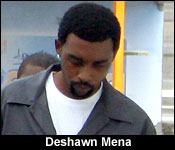
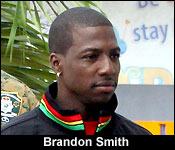
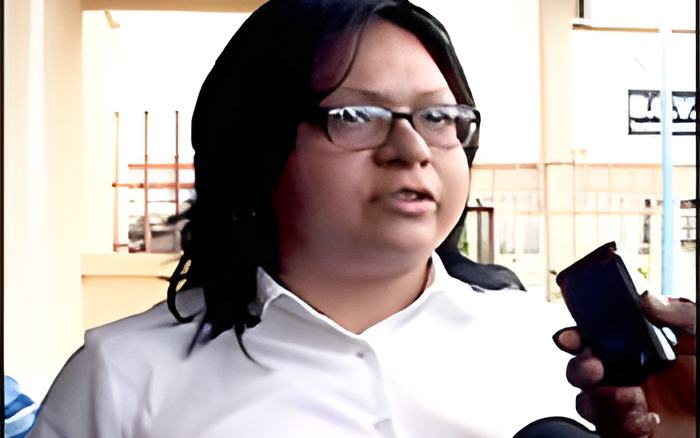
Today DPP Cheryl Lynn Vidal issued a statement saying that quote, "the only usable evidence gathered by the police in their investigation….was a statement which they obtained from an accomplice to the crime. The statement itself was not usable against the accomplice as police had already agreed with him that if he gave an account of what had happened, he would not have been charged." It goes unto say that:
"A decision was later taken by the DPP's Office to grant the accomplice immunity so as to secure his testimony. This decision was taken in the public interest as….without the accomplice's evidence, no attempt could even have been made to have anyone brought to justice."
And it concludes that
"The use of accomplices by the Prosecution in this manner is legally permissible. The issue was ultimately a matter for the jury. The only evidence available to the Crown, which was legally sufficient to establish the case against each accused, was placed squarely before them….In the end, they rejected it."