Earlier in the news you heard the Prime Minister say his government is going after gangs in the twin towns of San Ignacio and Santa Elena. That's after the events of Saturday June first at the San Ignacio Community Hospital.
But building back the hospital's confidence in law enforcement will require a lot more than just getting tough on criminal elements. The law abiding citizens and the medical professionals are shaken and have - to varying extents - lost trust in the police.
Jomarie Lanza looks back at what came out of yesterday's meeting between the medical staff and the police - and has some new portions of the firsthand account of terror inside the hospital on the night of June first:
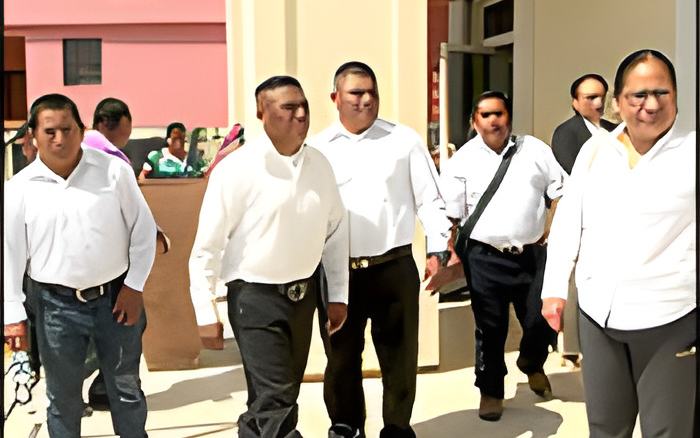
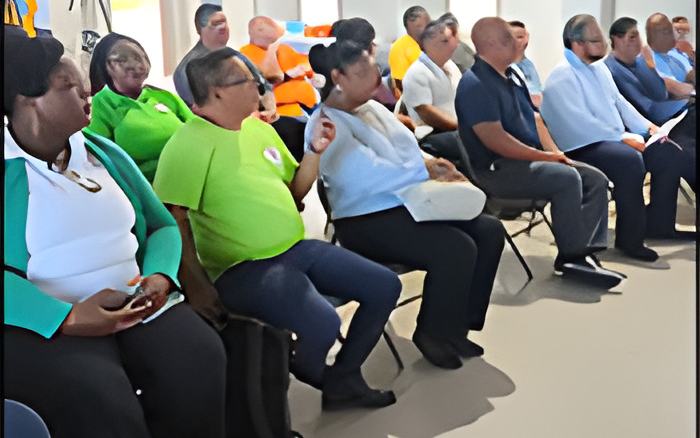
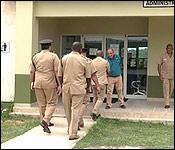
When the Commissioner of Police and his senior officers including the regional commander walked into the San Ignacio Community Hospital at 2:30, they were greeted by Dr. Francis Morey, the Deputy Director for Hospital Services.
He was there to meet the staff - 10 days after an incident that spread terror through the hospital:
Sun Up June 10th
Jules Vasquez, Monday Morning Beef
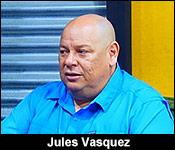
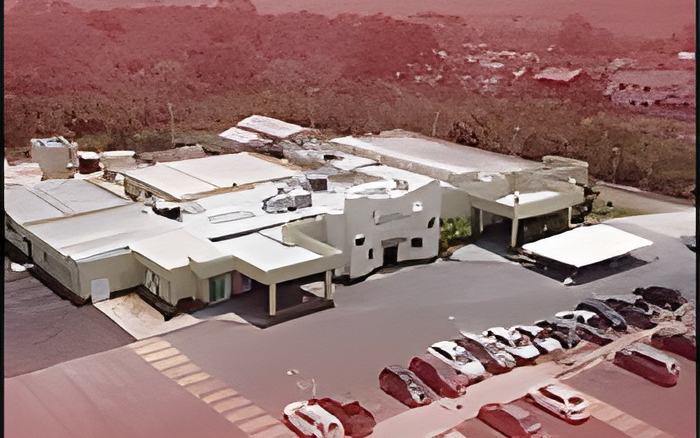
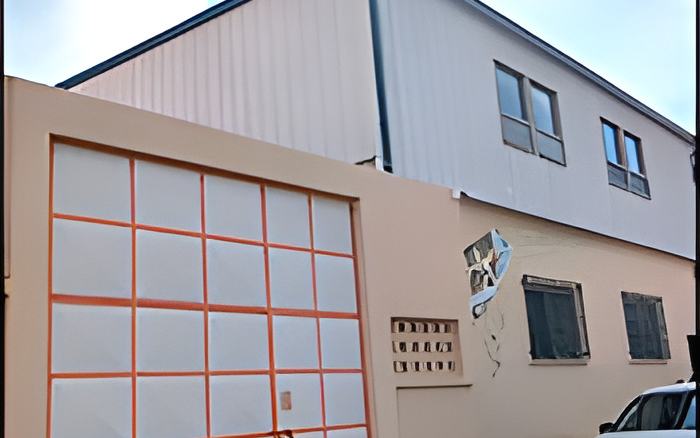
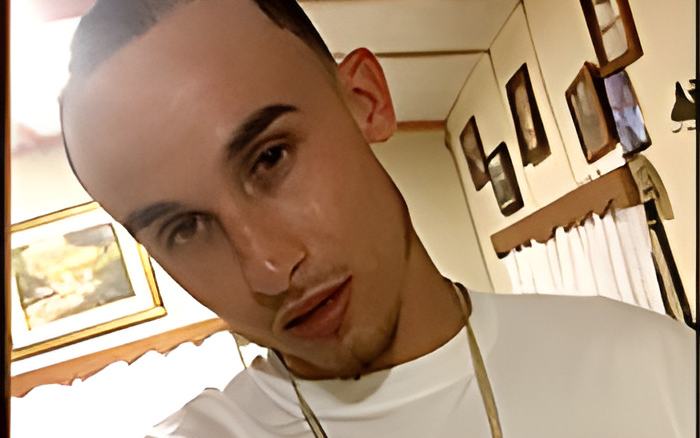
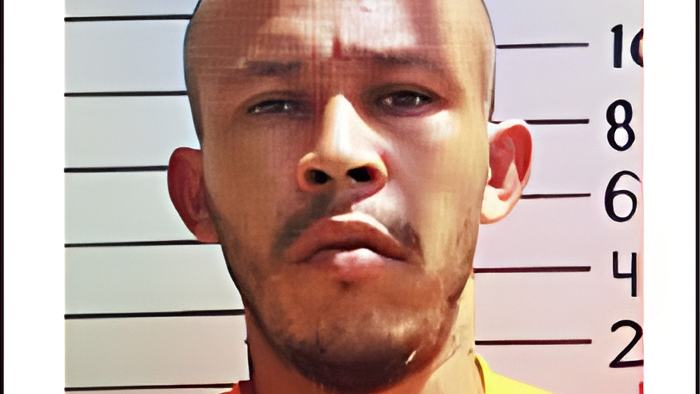
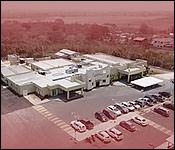
"On June 1st David Gallindo was shot he is a gang leader in Santa Elena. He died this weekend from his injuries two weeks later so it's another murder and a serious one because you know it has gang implications, that community is very scared of what will happen next. But on the night he was shot they rushed him to the San Ignacio community hospital we have pictures of the hospital and what the doctors in their experienced they were directly threatened by members of his gang who they were told multiple doctors have attested to this. If you don't save this man life, you will get killed."
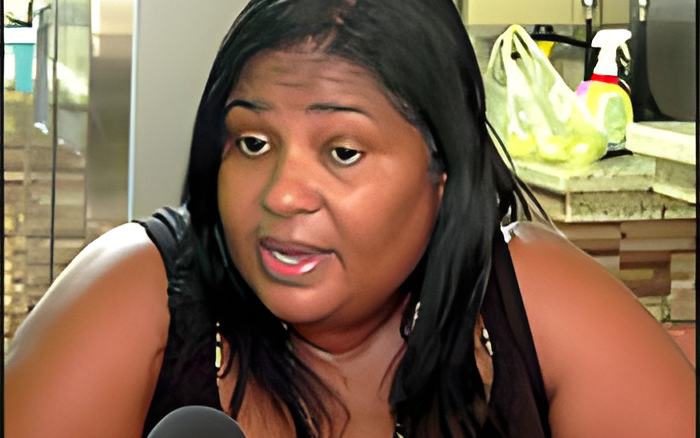
Voice of Doctor on shift:
"And when he was leaving he said unu better save his life or all a unu gwen effing dead right ya."
A major security breach but the Compol says that was the first he'd heard of it:
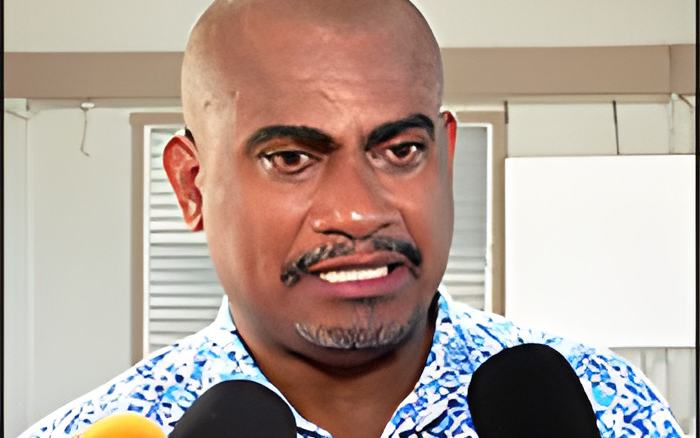
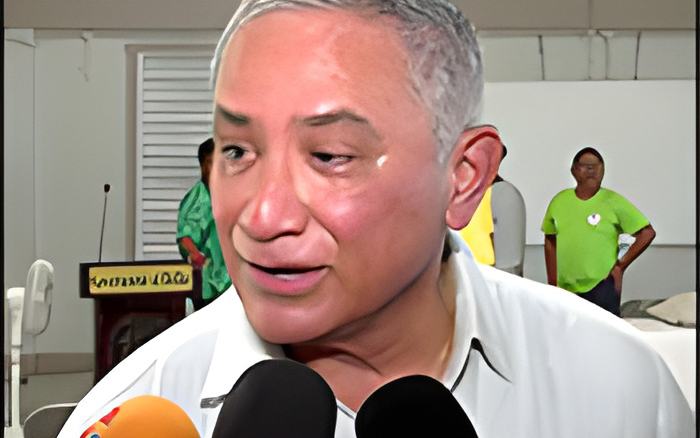
Chester Williams. Commissioner of Police
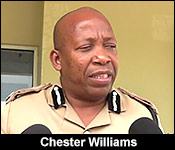
"Um like I said I am just made aware of the veracity of this incident when Jules Vasquez brought it up on The Beef yesterday morning. Having heard what he said and having listened to the audio that was released from one of the doctors I saw that it is something serious and may require my input to come and address and see what we can do to address the problem."
And it took them ten days after that night of horror unfolded at the San Ignacio Hospital, to begin these difficult discussions about hospital security - to a professional medical staff long abused and neglected, now wary of police ineptitude and indifference based on the previous times they treated David Galindo:
Voice of Medical Professional on shift:
"He come eena November,he got shot in Santa Elena again, it was minor, but the same thing, one of his side men who came in said unu betta deal with he right now. And then he just come out and say 'I gwen shoot up this r- right now,' he seh. But it wasn't that grave, noh?"
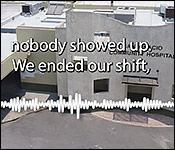
"The first time he was shot, he was shot like 7 or 9 times, and the same thing happened. And I was there. I took him to Belmopan. Yes, we were escorted by the police, but…And the same thing happened, we had him in there and all those gang members were outside and with weapons, everybody hid literally in the kitchen and in the lounge that day."
"This is only starting. It has happened before. And it will happen again, because we have dealt with this crisis before that they will have a lot of retaliation."
"This da di second time it di happen to me. Nothing is being done. Personally to me,I noh feel safe to come back da work."
"I think they started banging the police car and that's when the police just fled the scene. They just dropped him off and gone; left us alone right there."
On Saturday June first, the medical professionals had to hide their patients:
Voice of Doctor on shift:
"We had patients detained there with kids, everybody was just scared, the kids and their father just ran away, and we had a couple of foreigners that we had to hide them into the other room because of their safety."
"You seee the white lady weh mi deh deh? I think she mi name --, she came yesterday -- and she said, Miss, mein, I am so sorry for you guys that night, she says I was terrified. She said, I couldn't believe it, and where were the police? I said Police? No police here Miss."
To counter their deeply felt skepticism the commissioner proposed a protocol:
Chester Williams, Commissioner of Police
"My legal officer Mr Jones, will be working along with Dr Sabido to develop a protocol in terms of how the police is going to respond to incidents at the hospital and even what the police is going to do when there is a high profile patient being treated at the hospital. Particularly if that patient is brought by the police. So the way it was done before where the police just come and drop the person and leave, there has to be something done to create police presence in the event that person may want to come and create problems so all of that we will be looking at to see what we can do."
"Well what I have said to them is that whatever protocol we develop here can be replicated eventually across the country. Likely rightly said gang activities have permeated the country to some extent and we have to make sure that when we do have patients who are high profile when I say high profile I mean in the sense that their presence at an institution may create some threat. Then we will have to make sure we have a system in place to be able to deal with that so it can be replicated across the country. Again Belize city do have something not in writing but it is implied police officers do know that when they respond to an incident at the Karl Heusner we normally leave police officers there, right? So we will see how we can adapt that. In the meantime police can stay at the hospital while the patient is here at least for a certain amount of hours until the patient is stabilized, transferred or whatever. So all of those things can being taken into consideration as we develop that policy moving forward. We have atleast for a certain amount of hours until the patient is stabilized or transferred or whatever."
And while the police is one part of it - the hospital had its own security breakdown on that night.
Chester Williams, Commissioner of Police
"I also suggested to the hospital what they can do is that with their security that they currently are we can look at training them and making them special constables. So since the police is not able to work at the hospital on a 24 hours basis the security that they have if they are special constables they will have the power as a police so they will be able to do law enforcement job and arrest people who may come on the grounds to create problem. That was a suggestion put out to them which they say they are going to take back to their managers to see if that can be prevented. I think it's going to be an excellent thing for them to do."
And while security solutions are proposed, institutional indifference at the administrative and ministry level is a deeper problem:
Voice of Doctor on shift:
"We informed our Chief of Staff, nobody showed up. We ended off our shift, and nobody showed up. Nobody reached out and asked "unu ok?" Anybody was hurt?"
"We felt alone, we felt helpless. We coulda mi get kill, we coulda mi get hurt, then who mi when tend to we right deh. Nobody!"
A statement from the Director of Hospital Services Jorge Polanco says" "We continue to address the issues from that incident with staff including the offer for psychosocial support for anyone upon request."
Time will tell if this will be sufficient to stabilize a shaken institution.