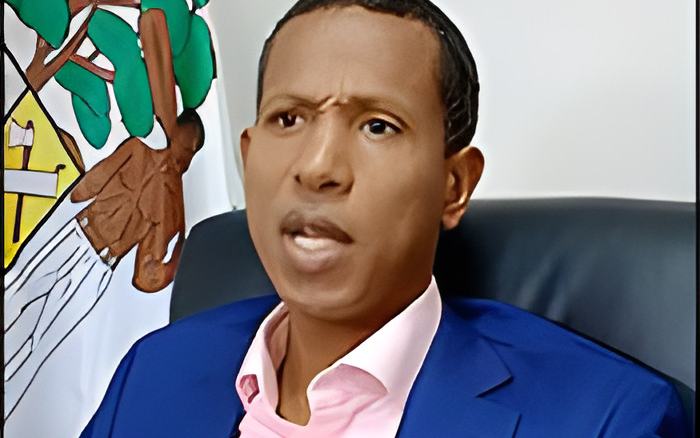

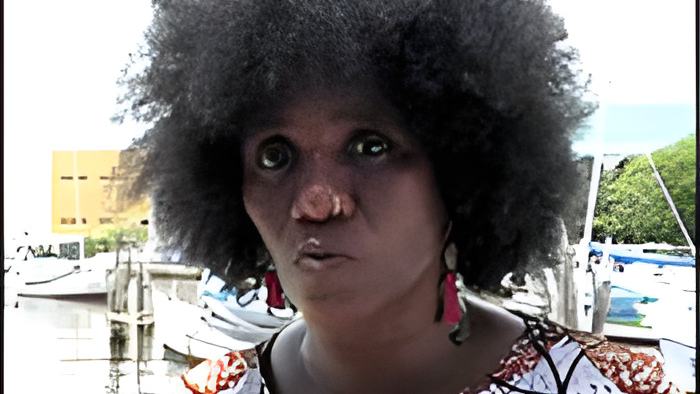
And sister YaYa Marin Coleman has another perspective on Emancipation Day. She notes that the UBAD Educational Foundation had been observing Emancipation day long before the state did.
We spoke to her on Friday for an African perspective on emancipation:
Yaya Marin Coleman, Afrikan Activist
"When the state didn't recognized it, we still pushed forward as collective of people, because we know who we are. It was because of our African ancestors that I could be here, that you could be here, that the camera person could be here - you looked an African even if you are mix with other things. When you move a beat through the world regardless of what you are mixed with, you are treated as a black person. What was different about the enslavement of African people it was based on the colour of your skin. That was how they could come for you, because you looked different from the European pale-face people. They thief our people, human trafficked them so that they could make a bag of money."
"If it wasn't for our African ancestors we wouldn't be here, because they had resisted. Don't buy into the narrative that some abolition - it's because African people primarily resisted. Reparation means repair and the biggest repair we have to do is mental repair."