
The report is in. We refer to the United Nation's Human Development Report and according to it, Belize's situation is improving. Or at least that is what the numbers say. The report states that GDP per capita is up and so is life expectancy. The report was released yesterday and launched locally this afternoon. Iceland is at the top and Sierra Leone is at the bottom. So how did we do? We'll put it this way - we are ranked ahead of Guyana, Jamaica, El Salvador, and of course Guatemala. We are however behind Bahamas and Barbados. We were at the Radisson for this afternoon's good news and bad news.
Keith Swift Reporting,
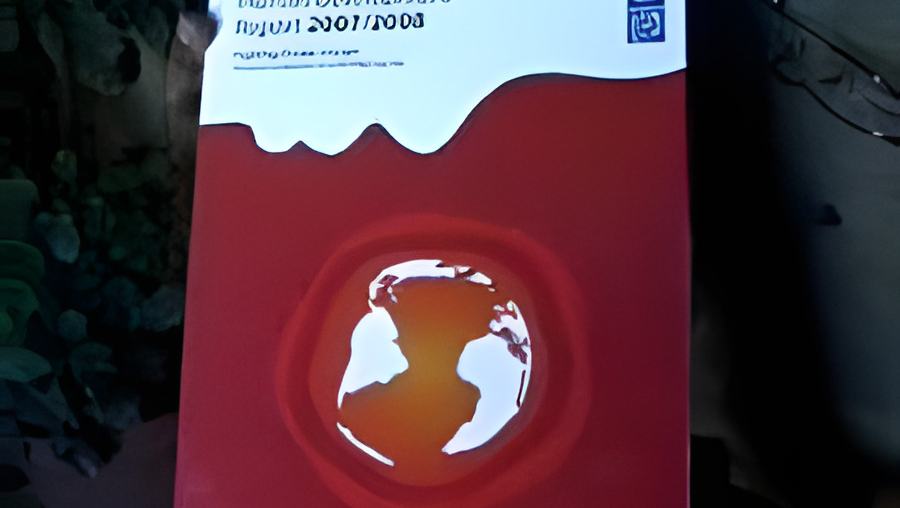
This is it - the UNDP's 2007 Human Development Report. It's more than thousand pages thick but at the center of it is the Human Development Index.

And on it - this year - Belize jumped fifteen places - from 95 to 80.
Jessica Faeita, UNDP Resident Coordinator
"The country has received a significant adjustment in the life expectancy component of the index which has gone from 71.8 years to 75.9. That is mostly an adjustment in the statistics that still places Belize in the upper rank of the middle income country. It has also increased slightly in the combined primary, secondary and tertiary education as well as its GDP per capita has increased. So in general Belize has been going into a positive trend. Certainly it is among the middle ranking countries in Central America."
UNDP's resident coordinator Jessica Faeita says the news isn't all good.
Jessica Faeita,
"Belize has to be made more investments in people, certainly more investments in education, and in health particularly to improve its human development in the next years."
The Human Development Report was launched at the close of a one day symposium on climate change. It was the perfect prelude because this year the report focuses on climate change. In fact according to the report, climate change is the single biggest challenge facing developing countries.
Jessica Faeita,
"The report warns that we can no longer speak of climate change in the future tense, it is damaging effects are already with us and the vulnerability of developing nations such as Belize continues to increase. In fact the recent loss suffered by Belizean people due to the Hurricane Dean and the threat of Hurricane Felix should be sufficient reminder to all of us that climate change is and will continue to be a real threat to this country.
It will affect life as we know it, it will impact our agriculture, our food, our water, our health, our education and our livelihood. Most importantly our ecologically change and our communities will become more vulnerable to natural disasters."
And according to the report that will happen unless Belize and other countries drastically cut their green house gas emissions. It is easy said and UNDP's Environmental Officer Diane Wade Moore says it can be easily done.
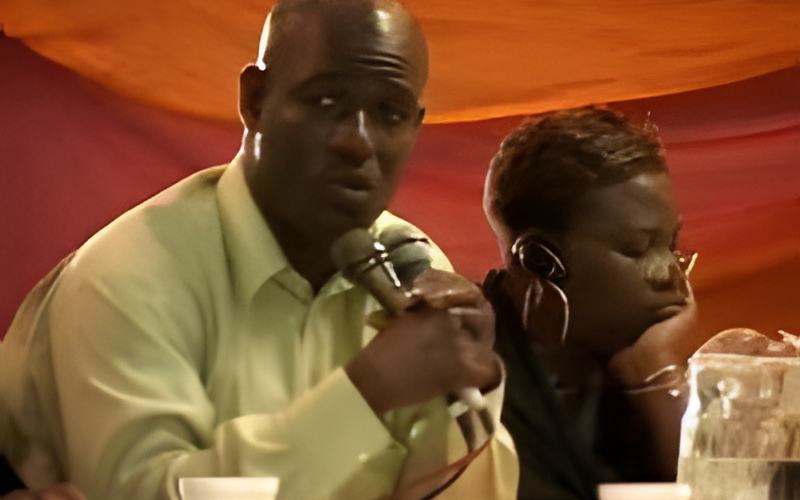
Diane Wade Moore, UNDP's Environmental Officer
"You have very small steps and then you have national steps that need to be taken. As an individual it helps to be energy conscious or as what is called in every ecology class to minimize your carbon footprint, minimize your impact as it relates to green house gases, cutting out - car pooling to work, rather than taking six or seven vehicles. From a national standpoint, our policies need to start to recognize that climate change is an issue that will not only impact the environment. What this report tries to show is that climate change is environmental in nature, yes, but it impacts national development and so all national development policies have to take it under consideration."
CEO in the Ministry of National Development Hugh O'Brien spoke at this afternoon's launch and said climate change is now a national development priority.
A disclaimer is that the report is based on figures provided by government from 2005 and, without being unkind, we'll say that the veracity of official statistics have been brought into question before by international agencies. You can find a link to the full report here.