
The old movie cliché advises that “if you build it; they will come” – but applying that logic to the hit and miss world of book publishing is never a sure thing, because many times, even though you publish it, no one buys it. The prospect of hitting upon a best-seller is even lower for those publishing textbooks – particularly when there has been no commitment from the nation’s major textbook distributor – which is the Ministry of Education - to sanction those books. But probably based on the belief that if it is Belizean and it is good, the Ministry has to pick it up - Cubola Books went ahead and published a new series of social studies and literature textbooks. They were launched yesterday and Jacqueline Godwin found that there’s a lot to learn form these new books.
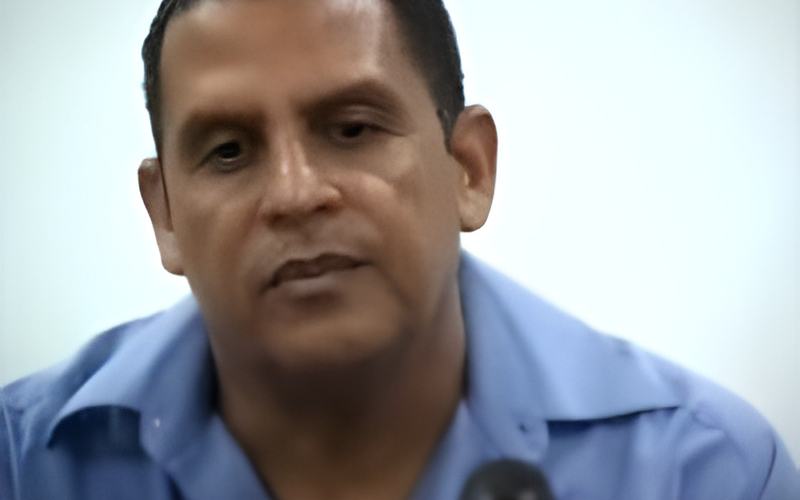
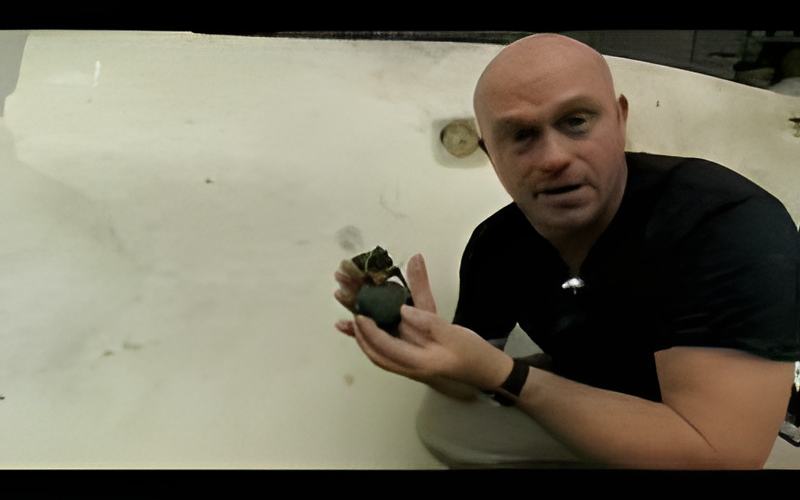
Deryck Satchwell, Editor - the Alchemy of Words
“Belizean students will discover the delight in reading and will be inspired to explore not just more Belizean literature but all literature.”
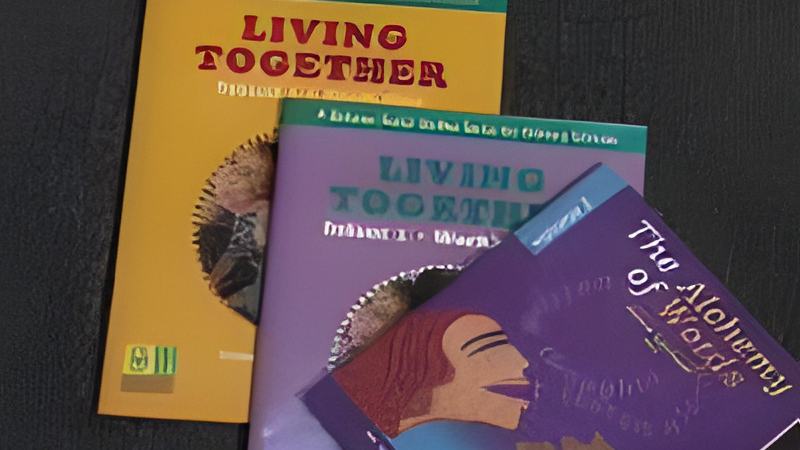
The Alchemy of Words, Volume Two, an anthology of Belizean literature for secondary schools was edited by Deryck Satchwell, an English teacher at Sacred Heart Junior College. It goes with “Living Together,” workbook one and book one, a Belizean social studies series for infant one students of primary schools edited by Pricilla Brown–Lopez, a lecturer at the University of Belize.
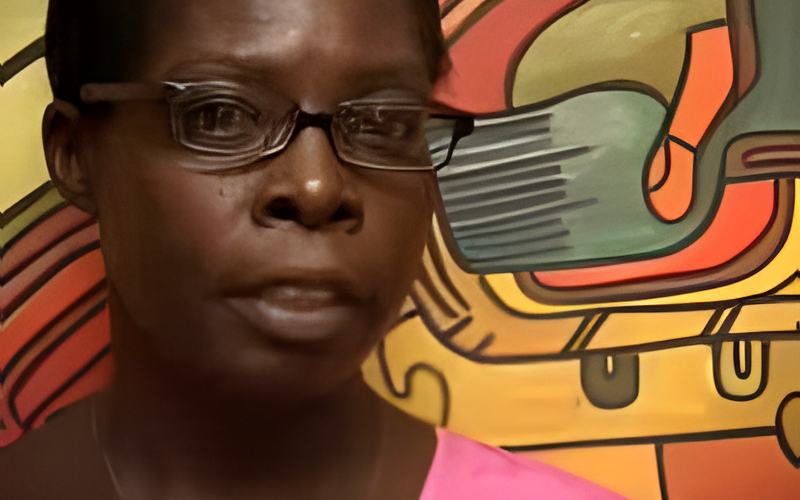
Pricilla Brown–Lopez, Editor Living Together
“We have a national curriculum and I think the world national curriculum
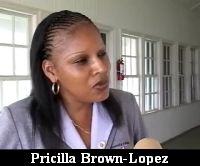
and Belize speaks to the need to ensure that the textbooks we promote, we provide students with should embrace what is truly ours. I think we cannot continue to have young children learning, reading about other countries, their past, their history and ignoring ours. I think rather it is an injustice and we must embrace what is truly Belize.”
Both publications are aligned with the national school curriculum although not a part of it. But the Alchemy of Words structured to help first and second form students develop their reading and writing skills and to think critically is already in use at some secondary schools like St. Catherine’s Academy.
Salome Tillett, Principal – SCA
“I think it is an idea whose time has come because for many years in the secondary schools, as some who taught literature, we selected our Belizean pieces, whether it was poetry, prose, or drama, but there was no support. We ‘John was a fisherman’ and there was nothing to tell you how to stimulate the discussion on it, how to engage students in the poem as we went through and after you’re finished, what do you do to keep them interested and to help them to want to either go write or to get up early to see a dawn.
Everybody loves it. Actually it makes me want to teach again because it is such an easy reading the presentation of the material itself, it is very user friendly, colourful, the words are large, the book itself is an attractive text and it does not overwhelm, it just invites rather than overwhelms.”
While Living Together, the social studies series provide young school children with a relevant and a wholistic social studies programme.
Pricilla Brown–Lopez,
“That the text Living Together embraces important themes such as my family, rights and responsibilities, our world, ancient civilizations, and our very own culture and country Belize. I must state that in this era our Belizean children cannot be deprived of a text aligned to a primary curriculum which promotes integration and a strong social studies foundation.”
While it is yet to be seen whether or not the Ministry of Education will introduce the text books in the national school curriculum and the free text book programme, its publisher Monserrat Casademont decided to do the work not knowing if the publications will be widely used.
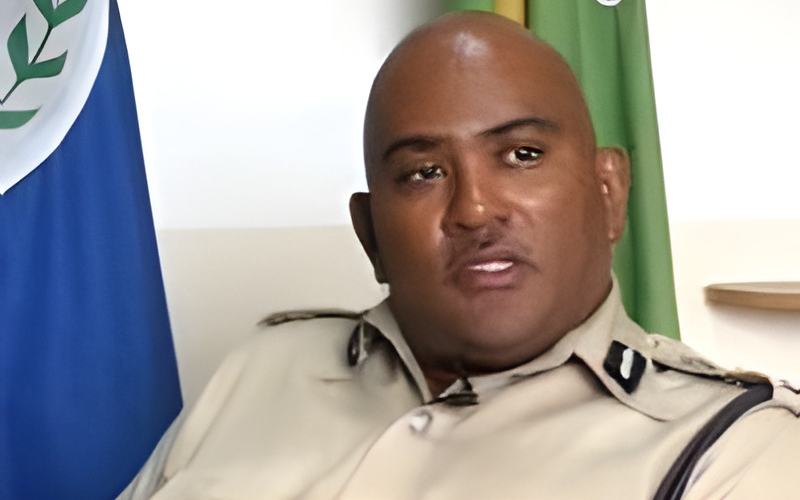
Monserrat Casademont, Publisher - Cubola Productions
“That does not mean I can go on and publish eight books if I don’t know the books are going to be used because really to keep the price really low we need to be able to sell a lot of books so it is a risk but it is a risk that I am willing to take. I feel that we have done what we could do and of course we will promote the book. But it is up to parents and teachers and educators to look at it and say this is what is needed.”
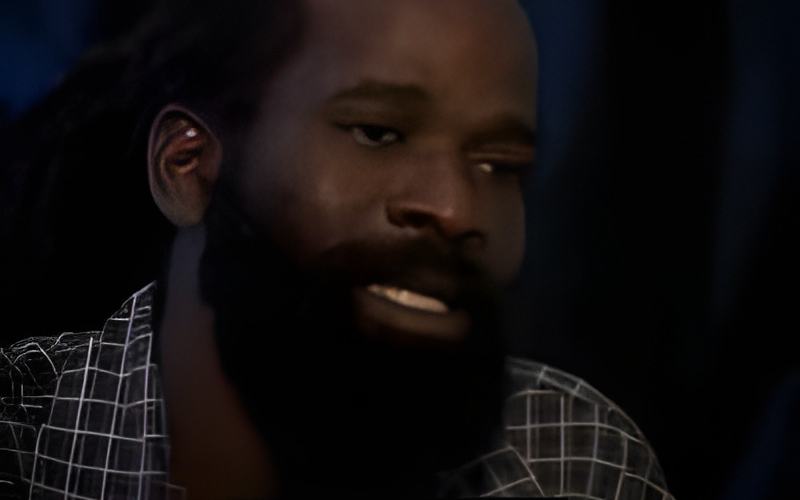
Karim Juan, Author - Interactive Approach to Mathematics
“I think it is very crucial for the Ministry of Education to realize the need for Belizean books, mainly because it becomes relevant for our own
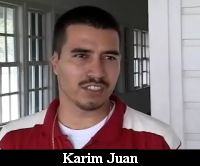
Belizean students. With Belizean authors we know the direct needs, we know the wants, we know the different ways in which our students learn, we know the demands placed in our Belizean classrooms. So I think it is of utmost importance for the Ministry of Education to consider and to tap into this resource that is available throughout the country, throughout many different subject areas.
The math book that I wrote, the Interactive Approach to Mathematics, is in line with both the Belizean curriculum and its also in line with the CSEC curriculum, the regional exam that our students take. So with the implementation of the new CCSLC that was instituted by CSEC, students will be equipped to do that exam but also to sit the general proficiency CXC exam as well.”
Jacqueline Godwin,
Which secondary schools are presently using the Interactive Approach to Mathematics?
Karim Juan,
“Presently we have about seventeen or eighteen schools that are presently using it. My school Sacred Heart College, you have St. Ignatius, you have some schools from Belize City, St. Catherine’s Academy, Gwen Lizarraga High School, ACC. You have schools up north, in San Pedro, in Belmopan, so the book is slowing making its way into the different high schools countrywide.”
E. Jahmor Lopez, Manager - District Education Centre
“If there is any school that wishes to use a textbook that is not a part of our program, that is something that they would have to buy on their own and again it would have to be in consultation with parents because we cannot force parents to buy a text when we’re offering books for free. And you know the bottom line that there is money involved and so it would have to be whether the school can afford, the parents can afford or there is some donor that could purchase the number of texts that they would require.”
The general consensus is that the use of Belizean literary works in the classroom not only benefits the students but recognizes the talent of Belizeans in different fields and provides them with the opportunity to grow professionally.
Pricilla Brown–Lopez,
“What is interesting is that a number of private schools have said that they would embrace the textbooks immediately and that means that those children would have a full experience, they would be using the texts, exploring all of the activities in the textbooks, teachers would have a teacher’s guide and that means that also schools who are using other textbooks, their students will not have this opportunity to have an enriching program and that’s very troubling I must say. This is not to say that it is not important to learn about Caribbean or the world but how can we not have our own textbook that is linked to our primary curriculum and is connected to our philosophy governing education in Belize.”
Deryck Satchwell,
“If we can ensure that we are not compromising on quality and we’re not in anyway driving up the costs of the textbooks by producing locally then certainly the support of a local textbook industry will be very important.”
Jacqueline Godwin reporting for 7NEWS.
The books are available locally and a number of schools have made the commitment to include them in their curricula but until the Ministry makes a decision, the cost will be to the parent.