
We hear the complaints of police brutality and illegal searches very often in this newsroom and the victims will have some consolation tonight knowing that the Ministry of National Security has been trying to address the problem with a training course that ran for the past three weeks. The prisoner handling course was held in conjunction with the British High Commission, the Ministry of National Security along with the Belize Defence Force. The participants, who also took part in a train the trainers programme represented agencies such as the Belize Defence Force, the Belize Police Department, Immigration, Kolbe Foundation, Customs and Forestry. According to the participants and coordinators, there are two main problems that need to be addressed whenever a person is being detained or arrested.
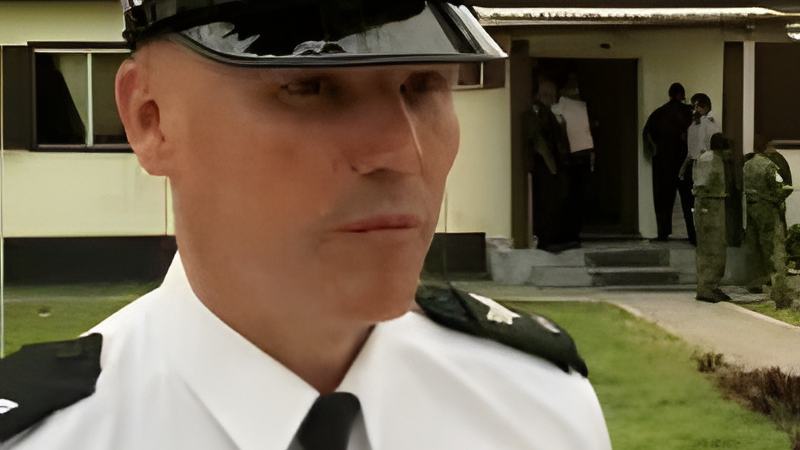
Sgt. Ian Olliver, Coordinator – Workshop
“Mostly documentation, recording what happens. That seems to be the weakest area, particularly in relation to the police. The police do a very good job, there is no doubt about it, and they are under a lot of pressure. However they could certainly help themselves and make a lot of improvements in the systems that they have if they were to just document more effectively things that happen. For example when people are arrested, taken to police stations, that is not really being recorded as well as it could be.”
We spent a long time talking to a lot of the students about how attitude influences behaviour and how their attitude can influence the behaviour of the people they deal with. We went into a lot of detail in relation to this and I think the students are walking away today with a good understanding of the fact that what they get back from people is a reflection of what they give people. If they deal with people aggressively, if they handle people inappropriately, then what they get back is a reflection of those actions.”
Javier Castellanos, Deputy Commander – BDF
“We do not have the powers of arrest, we are there in a supporting role, supporting the police officer should he be arresting or detaining someone and he needs assistance, that is the role of the soldier.
We expect that these soldiers who have done this training will now go back to their units and train the other units in handling prisoners or handling anyone who has been detained. So in this case we would say yes they are there to support the police, they cannot detain, do not have powers of arrest, but we expect them to go out there and advise the police officer and inform him and tell him well this is not the right way, this is the proper procedure and this is the way we should do it because at the end of the day, all security forces, both the police and the BDF, or any other organization involved in enforcing security should be very professional and now that we have a better understanding of how to deal with persons being detained and arrested I am quite certain that we should be more professional and we should be both advising ourselves on how to conduct these procedures.”
The workshop coordinators told 7News after touring various locations they were impressed with the record of documentation at the Belize Central Prison in Hattieville.