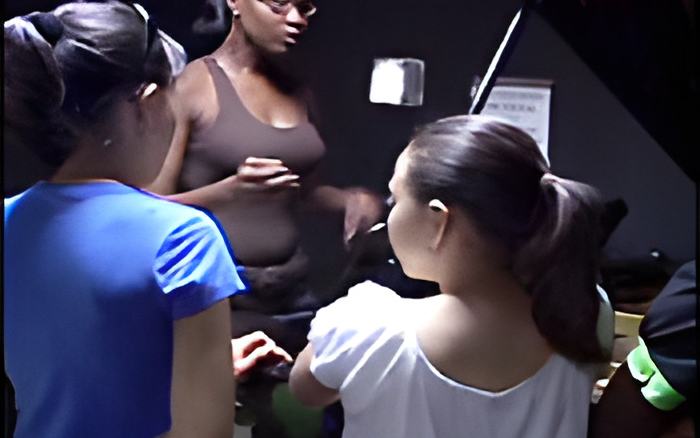
Over twenty participants took part in a five day training called "Disaster Management and SPHERE guidelines. The purpose of the training is to facilitate participants with the knowledge to respond to disasters. Some of the topics that were discussed include Red Cross Emergency Support Structures and Coordination Mechanisms, Belize National Disaster Management System and the roles of the Belize Red Cross, Climate Change, Water and Sanitation and Health in Disasters. This training is a part of an ongoing Community Disaster Preparedness Program implemented by the Belize Red Cross and today it wrapped up as certificates were given to participants.
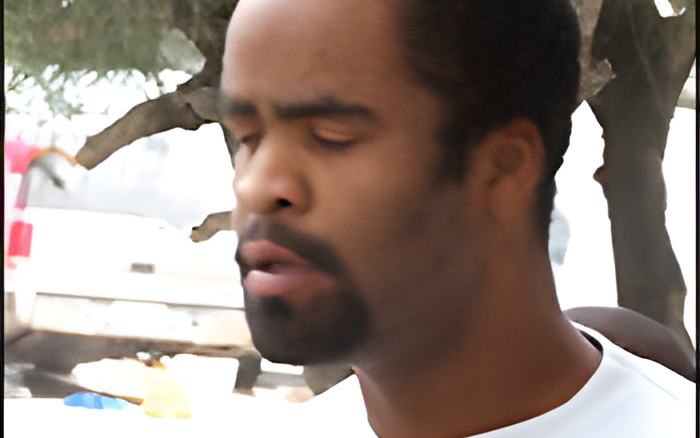
Arturo Vasquez, Chairman - Disaster Management Committee - BRC
"It's very intense, mainly there on the spare project. Spare project meaning it's a manual that was compile in 2004 by over 80 organizations, over 4,000 people of different expertise including the Red Cross and UNICEF, USAID, World Health Organization, you name it the different organizations that have to do with response to disaster and preparedness for hurricanes and other disasters. The SPHERE really is a manual that compile all these expertise into how you address the issue of water and sanitation, food, shelter security, that type of things. That's really what the 5 days training was all about. The purpose really was to introduce the sphere or at least train specific people on the SPHERE project because again the SPHERE project is a reference manual. Imagine that there are all different organizations throughout the world and whenever there is a disaster people come with their own plans and their own ideas about how to approach and sometimes you have a overlap and you have that confusion and that type of thing. The idea of the SPHERE project really is to take all these organizations brings their minds see how you will address water and sanitation, see how you will address food, see how you will address shelter and sort of the manual is really an indicator with measurements for example in a shelter our approach will be let's see how many people can fit into this room. The manual will give you space where somebody should have enough space to be comfortable. We are all human beings we have that right even though we are in a disaster. We still have certain rights, certain rights of privacy, being a human being as such, that humanitarian part of things. The manual has guidance like that; it also has guidance about what should be the amount of calories per day that somebody should intake. It talks about can foods, how you mobilize food. it give you an idea about how far a water pipe should be from the disaster area. It's easy for you to identify and say listen we need to set up a camp here because the pipe is not far away, things like that. So the manual is really an indicator."
The training which was organized by the Belize Red Cross was financed by ECHO - The European Commission Humanitarian Aid Office, the Norwegian Red Cross and the Japanese Red Cross with the support of the Caribbean Regional Representation Office.