
You may know about National Forensic Science Service. This is the Government Department under the Ministry of Home Affairs that combs crime scenes for evidence, key to producing convictions in court. Many cases pivot on the quality of the forensic evidence gathered.
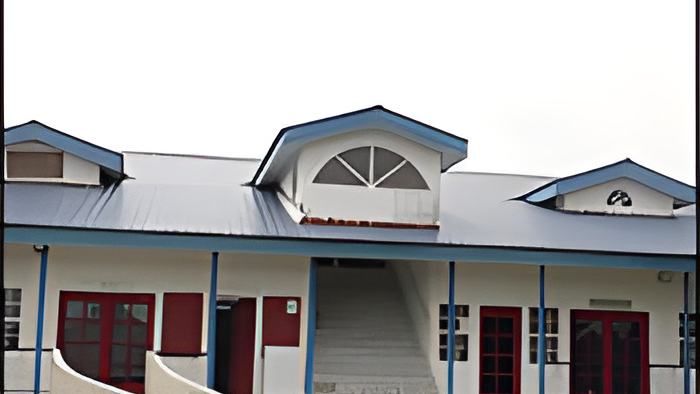
This afternoon, the NFSS took an important step in a bigger plan to strengthen the country's death investigation system. Recently, the Cabinet approved the signing of a Memorandum of Understanding between the NFSS and the Central American Health Sciences University, which is also known as the Belize Medical College. That MOU was officially finalized today, and it now establishes a formal, working relationship between the two entities. And it means that they will be performing more post-mortem examinations at the medical school.
It's a mutually beneficial relationship between the two parties, and so, they invited the press to witness this important signing ceremony. 7News stopped by this afternoon, and we spoke with the Director of the National Forensic Science Service about this important step:
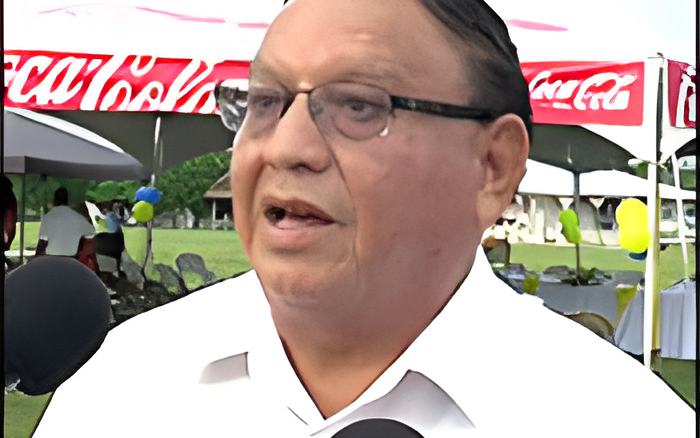
Gian Cho - Executive Director, National Forensic Science Service
"This MOU was actually conceived back in 2018, the need to establish a Memorandum of Understanding between the National Forensic Science Service and the Central American Health Sciences University in the way of conducting medico-legal post-mortem examinations - or what the public generally knows as forensic post-mortem examinations. It started with a visit by Dr. Roger Mitchell and other experts through the INL program of the US Embassy, where we did an assessment of all the morgues in-country, where our doctors or medical examiners conduct post mortem. And the morgue here, or what the CAHSU calls the Anatomy Lab, was identified as one of the more ideal locations to conduct autopsies."
"As part of this institution, the CAHSU efforts at becoming accredited, also as part of the National Forensic Science Service long-term plan of attaining accreditation, such informal relationships need to be formalized, in this case, as an MOU."
"The need for a secure space to conduct autopsies was highlighted last year because of the COVID-19 pandemic. We actually, in 2020, conducted over 60% of all our autopsies, or post-mortem exams here at the CAHSU morgue. 2020 was the first year, where the majority of our post-mortems were done here. Prior to that, all the post-mortems were done at the Karl Heusner Memorial Hospital morgue. Obviously, because of concerns about staff becoming infected, about concerns with contact with COVID-positive cadavers and high-traffic of individuals, we needed, we stood to benefit a lot from using the space at CAHSU."
"The CAHSU stands to benefit a lot by having our trained medical examiners be present here and to assist in academic activities because a part of continuous professional development for medical examiners is a strong academic component."
Keishalyn Belezaire - Administrator, CAHSU
"One of the key components of our charter requires that we satisfy an affiliation with government agencies, none better than the forensic department. As Mr. Cho has rightly said, it provides educational expertise for our students. So, that's our number 1 benefit, as well as, it satisfies our ongoing accreditation process."
"Prior to this, we used to have to import cadavers. Sometimes, it became challenging, due to the cost and things like that. So, now that we have this MOU, and the relationship with the forensic department, we have a more continued base of educational expertise for our students."
The Director also told us that this formalized relationship with the CAHSU allows for decomposed human remains to be examined in a proper setting. The National Forensic Science Services intends to cut down on-site post-mortem examinations for decomposed remains.
As part of this strategic plan for improvement, The Coroner's Act will be repealed and replaced with more modern legislation.
Director Cho also told us that annually, there are approximately 2,000 deaths per year for different reasons. There are 3 medical examiners on staff at the National Forensic Science Service, and together, they usually take on about 25% of those 2,000 cases every year.