
And if water is to be conserved that good stewardship will have to extend to the general population.
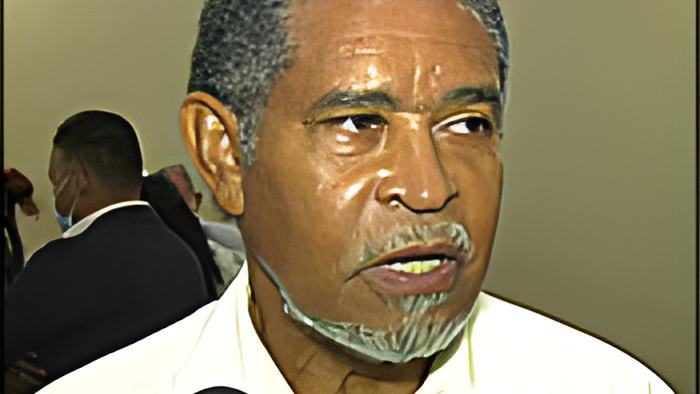
But Nichols says that before the public can act responsibly they'll have to be much better educated on the matter:
Cherisse Halsall
"What should the public be doing to be proactive about this?"
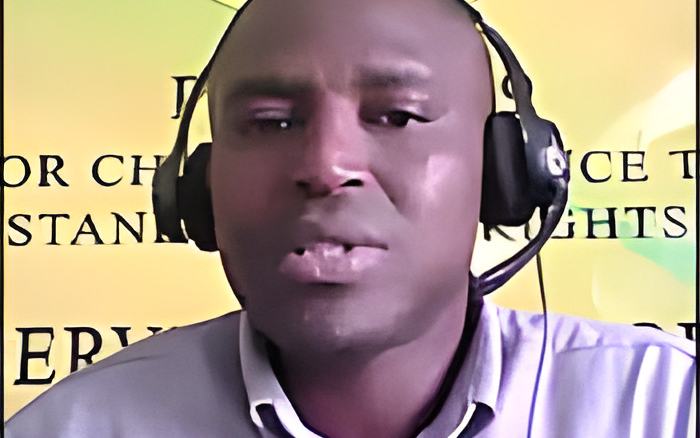
Keith Nichols - Programme Development Caribbean Climate Change Center
"First we need to educate them, we need to let people know what they can do. You know, you open your tap and you see water and that's enough water no problem, so we can use it anyway we feel until when BWS shuts and we feel the pain of not having water, even if it's for a few hours, I think what we need to do is get people to understand the implications of unbridled use, inefficient use of water resources and only then if people are informed, it has to be continuous process of getting them to understand the context in which we're doing this, climate change, the impacts on water, it's not only always going to be as it is right now but it's a role we can play to conserve our resources by being more responsible in how we use those resources, so from the household perspective, we educate the kids on how you should be brushing your teeth, what you should do while you brush your teeth, how long should a shower be, if you leave the water running in the yard or you're watering your lawn during a drought and these are the kind of things that will need to be understood by the population if we hope built a more stewardship approach to managing these resources."