
549 out of approximately 600 schools in the country have reopened for hybrid learning. In the last three months, these schools have been applying for the greenlight, with 576 being approved so far. And though at first, many teachers and students were apprehensive, there have been no major outbreaks. And with COVID numbers on the decrease, children are finally back in their classes - on alternating schedules.
Still, it's a major relief for teachers, parents, and the Ministry of Education that students can now start catching up on what they've lost out on over the past two years. Yesterday, the CEO in the Ministry of Education explained that they've already started administering the diagnostic tests to students.
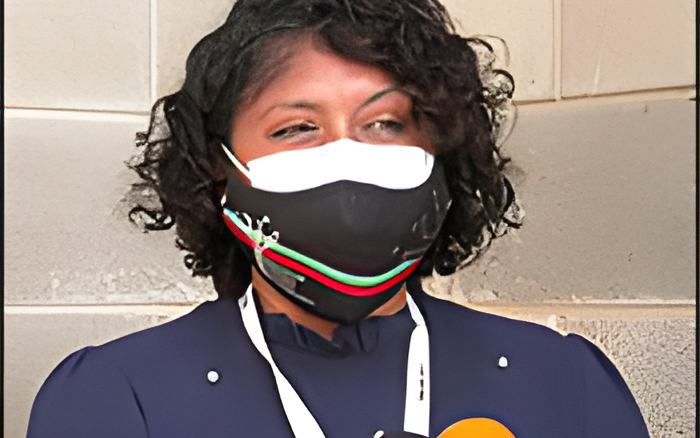
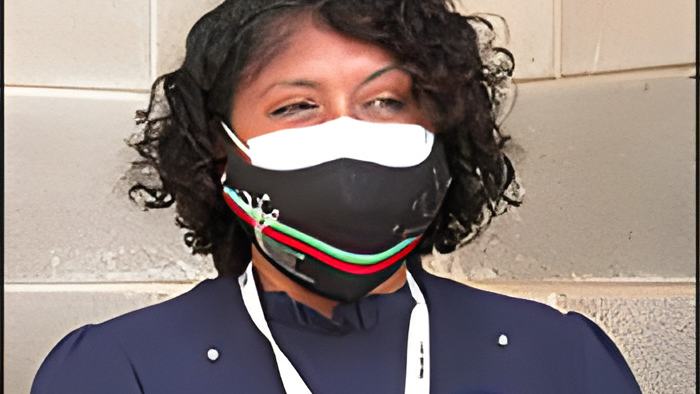
Dian Maheia, CEO, Ministry of Education
"We have almost 100% of our schools that have returned for the hybrid face to face learning. As a matter of fact we are now starting to get a lot of request to see whether or not we can begin to boost the coming back. What we have seen over the past few weeks is that attendance has increased. The numbers are going down for COVID and numbers are going up in schools. In the beginning, that January 10th, as you guys know, there were a lot of trepidations. We saw people coming back but there was hesitancy, fears and what we've seen is that the attendance rates have to continue to rise. In high school for example, both rural and urban, we have seen maybe they started off with 50% attendance. We are now looking at 70%, we are pushing 80% now in schools. We really feel like parents are beginning to become more comfortable. Definitely, what we are seeing are a lot of happy students. Students are really enjoying being back. The teachers are grateful, and the challenge is addressing the learning losses now that they are back."
"We are starting to work on our diagnostics assessments. We can only do the diagnostics with the students who are physically in school, so its one of the reasons why we are hoping that they all do come back, because it would defeat the point to send home a diagnostic test, so we need the students to come back, so that the teachers can do the diagnostics, but that work has started. We've done a lot of training already to show teachers how to administer the diagnostic test, how to mark the tests. The thing about diagnostic testing is that it's really not about the grade that you get at the end, that grade is not like for a parent to use to say oh my child passed a test or my child didn't passed a test - the diagnostic test really helps the teachers to understand where the students are, so that the teachers can then plan accordingly."