
Deaf culture, it's a concept that most people will go through their entire lives without encountering.
But at the heart of that culture is a deaf person's right to self actualization, meaning the individual's ability to independently and freely access services and experiences that hearing people take for granted - including this one, just watching the news….
Indeed, society is a long way from accommodating "deafhood" - but sign language is the great mediator.
For the deaf, their friends and loved ones, that language is as fundamental to existence and success as any other modern language.
But if deaf culture is to slowly make inroads in Belize, more and more people will have to learn and embrace sign language as a viable form of communication.
Tonight, we're bringing you the story of one Belize city woman who has started to make strides in that direction.
We've closed captioned this particular story so our story's subject and the wider deaf community can watch unassisted:
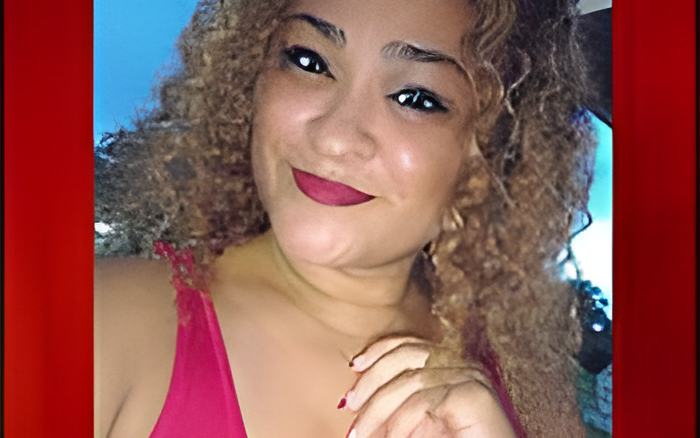
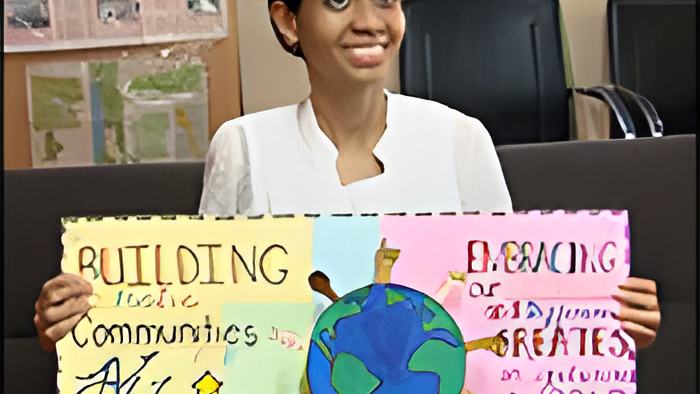
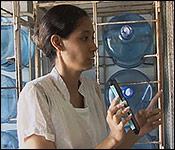
This is Svetlana Romero, she's a customs clerk and part of the customs association, an SJC graduate, and the inventor of an app. She's also deaf.
And what is it like to be deaf in Belize?
Well, if you spend a few seconds imagining what it's like to move soundlessly through the world - that would be a start.
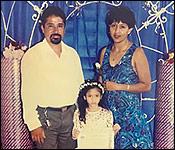
It can be confusing, isolating, and often frustrating, but Svetlana, with the help of two very supportive parents has learned to navigate life in a largely independent manner.
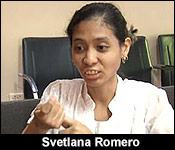
Svetlana Romero, Invented Sign Language App
Interpreter: "If the shop has only windows how can you ask for your favourite snack?"
"I go to the shop at the Chinese store where they have windows. I stand and ask with my phone. I text and I show them but they do not understand {English} so I change and then we communicate by sign and then get my change and come out. You show or point to what she would like to have."
Still, she didn't get here overnight and she knows first-hand that being a deaf child in Belize can often leave you starving for stimulation and inclusion.
Svetlana Romero, Invented Sign Language App
Cherisse Halsall:
"What are your first memories of communicating with your dad?"
Dad:
"That I lashed you?"
Svetlana:
"When she was small she didn't communicate she was always quiet always sat down and she didn't do many signings she just stared at us and kept staring at us. So she members sitting by herself just looking around and can't talk much."
And Svetlana admits that even today communication remains a challenge.
Svetlana Romero, Invented Sign Language App
"She felt it hard that only her parents tried to understand sign language but we don't understand everything. We are always confused and it's hard to listen to communicate. Lip reading is hard sometimes and scares you, so you try to figure it out by asking for help to write."
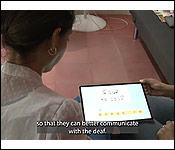
But it was those communication challenges that pushed the tech-savvy Svetlana to create a sign language app. It's an app really designed for hearing persons who would like to learn basic signs and sign spellings so that they can better communicate with deaf persons.
Cherisse Halsall:
"How will your app help to overcome that?"
Svetlana Romero, Invented Sign Language App
"I think I can set up the app for others in school, for teachers as well to learn sign language and to show the sign language words and the spellings for them to know. It's a memory game everything has to relate to a picture to relate to a sign and it's everything about memory just to remember."
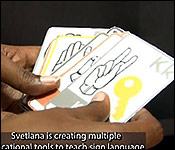
And it's not just an app. Svetlana is creating multiple educational tools to teach sign language. She showed us these flashcards that teach colours, the alphabet, and even the signs for Belize's national symbols.
It's all inspired by a difficult journey to education fraught with many communication challenges. But Svetlana overcame and now she's using her knowledge to give back to bridge the communication gap between those like her and the wider hearing community.
Svetlana Romero, Invented Sign Language App
"It's hard for deaf people to try I want to help. I can get help for future life because communication people understand the same level so hearing people can see other deaf and learn to communicate with them by writing or texting, sometimes they can learn sign language together. It's easy. It's not hard."
Svetlana's flashcards can be purchased from her by texting her at her phone number 6269327 or by e-mail at belizesignlanguage@gmail.com
Svetlana is enrolled in BNE's entrepreneurship program where she is seeking initial funding to help fund the growth of the app and its accompanying educational tools.