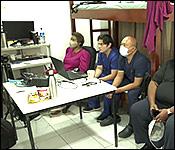
The KHMH, it's the national referral hospital but it might soon be adding the title, teaching hospital.
That starts with Belize's first post-graduate medical course, currently being taught to hospital personnel.
It's a course that 7News got an inside look at yesterday, and tonight Cherisse Halsall has the story.
The KHMH, it's a hospital with a tried and tested Accident and Emergency Ward, where the medical staff are experts at treating gunshot injuries. It's an expertise that the U.S.A's KERN institute calls a "high census, high trauma practice," and one that developed without any trained emergency medicine doctors.
That's something that the KHMH - in collaboration with the KERN institute - is seeking to remedy, sending down emergency medical physicians as well as an expert in medical education to conduct Belize's first post-graduate medical program.
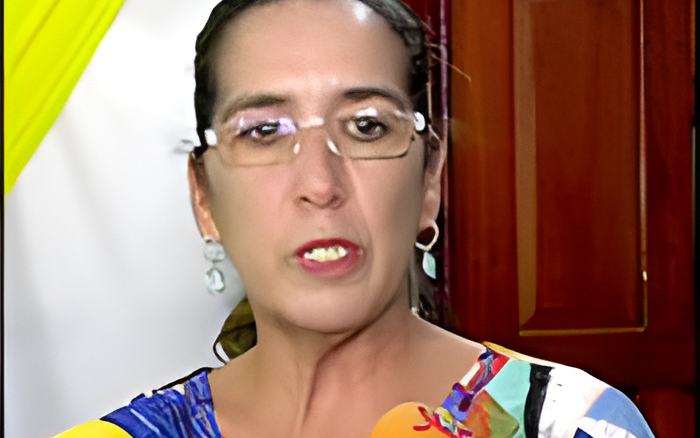
We spoke with that education expert, Saran Wilson about preparing the physicians to learn how to teach.
Saran Wilson, Teaching Observation Navigator
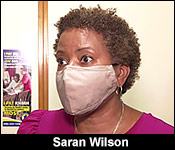
"One of the important concepts would be the teaching strategies or teaching methods with that it's important to learn the different types of learners so there are different types of learners and from there you cater your teaching strategies to best meet the needs of the learner And so and then in that way because there are like different ways you know to meet the needs, for example, some people might like hands on. Some people might like extra more lecture, some people may like to write and so it's important that when they teach they would use different strategies to cover every different learner within the class, so that is one thing that they are going to be learning."
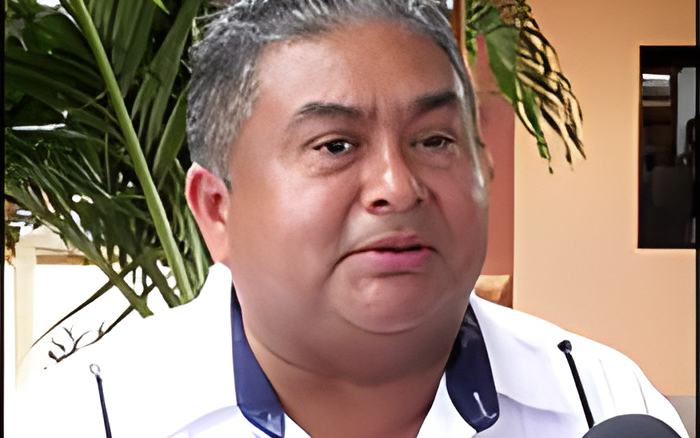
We spoke to one student about the knowledge being imparted. He started by telling us what he's learning about diagnostics, he found it imperative to share the message that the KHMH is missing what is universally considered the most vital of diagnostic tools.
Dr. Byron Henry Hoy, Medical Doctor & Medical Student
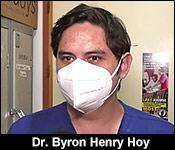
"They are trying to show us how to use different adjuncts, how to use physical examinations, how,to use different diagnostic tools to establish a diagnosis in patients, right, um, one of the things I would like to comment is that in all the models that we have been experiencing so far is that a CT scan is very important, like in the first models, time is life and sometimes just having a CT scan could facilitate a better diagnosis and treatment for the patient, alright. Many times we have to have a diagnosis, I mean use a CT scan from another facility and it costs us a lot of time sometimes. So I would like to comment that a CT scan would be very important here."
And indeed if the KHMH is seeking to transform itself into a teaching hospital, a CT scan would be it's most fundamental learning tool.
But apart from tech, medical instruction will also depend on senior medical professionals who have mastered techniques of imparting knowledge
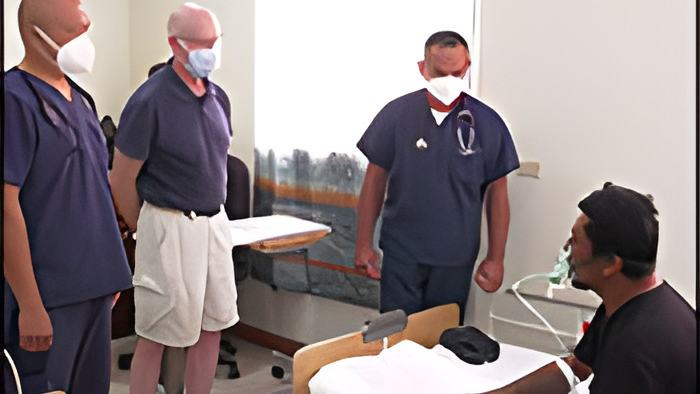
Dr Mark Douglas Bruce, Ambassador, American College Of Emergency Physicians
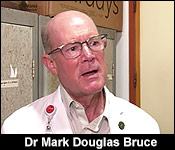
"Part of the medical pedagogy program is us observing the teachers and kind of providing them some feedback but not just giving lectures, that's part of it and it's an important part of it but it's also in thier clinical bedside teaching and as they work with the new trainees at the bedside, our new trainees basically are not new to the A&E, they've been working there anywhere between one and three years. So they know their way around the A&E but again kind of a more academic environment, that is what we are trying to put in place here is a culture of strong best practices in academic medicine."
But what's most exciting about this post-graduate medical program is that these doctors are training in teaching techniques and research methods for publication so that they can prepare for the CARICOM standard that would allow them to become faculty members in the University of Belize's new Medical School to be established later this year.
According to Dr Bruce, the goal of the program is to train Belizean doctors to train Belizean medical students, effectively putting the volunteers in his KERN institute's program out of a job.