
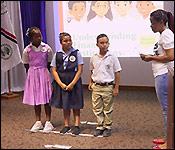
Understanding financial institutions and transactions - truth be told, many of us adults struggle with that. But through a partnership between the Central Bank of Belize and the Ministry of Education on what is called the National Financial Inclusion StraTegy, this is now being taught to primary schoolers. The goal is to get these lessons about money management and money making to 100% of primary school students. They're currently at 74% and today with the launch of an e-reader manual they came closer to the hundred percent. We were at the Central Bank for the launch:
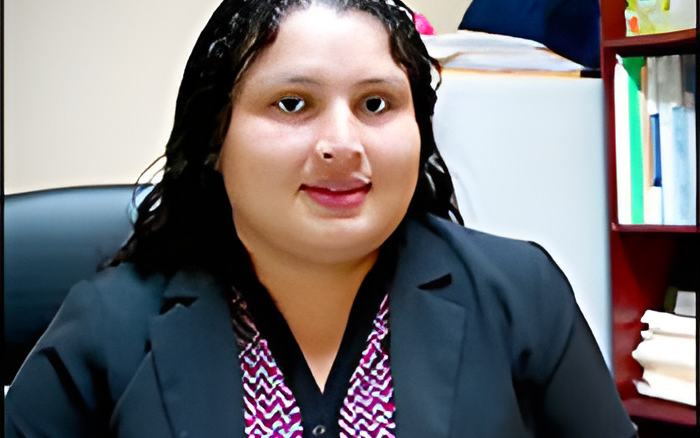
Jair Pol, National Financial Inclusion Analysis, Central Bank
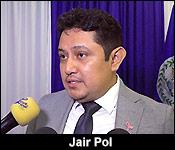
"And this is a brand new moment because we are launching the e-book, which is going to make it accessible for all students, primary school students in Belize to have access to basic understanding of financial institutions and transactions in Belize."
"So what we're doing is, is we're empowering individuals, you know, to, to better be financially literate in the different topics."
"So the literate self includes financial institutions, but also other investment tools. It gives the opportunity, like the presenter had said, that it gives opportunities for students to be able to use your own capital and, to be able to, start your own business in that sense."
"Very beginning we're teaching them what is money, how money is created. But for this one we're focusing on standard two and three, which is understanding basic financial institutions and transactions."
Ashlee Rodriguez, Teacher - St Martin De Porres
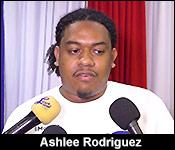
"It's localized. We need our content, our information, our strategies, everything to be localized to our Belizean culture. And sometimes we don't have resources like that that we could rely on that would focus on our Belizean culture."
"Because you have kids out here who don't even know any banks in Belize. They don't even really know about Belize Bank, right? They don't know about credit unions or anything in our country itself, right?"
"It allows them to make more educated decisions that is not going to affect them negatively as they get older, right?"
"Being the area I come from, yes. because of the socio economic background that they have, with this being that they know it from a young age, then they are able to apply that as they get older, even at a young age, from now in their classroom or among them, among themselves as friends."
"But for them to understand how the credit score system works, where it's a little bit more strict and it has more structure, and if you don't spend wisely or borrow wisely right, then it's going to affect you as you get older, right?"
"Even if I imply I could, I could apply that into my classroom, into lessons and have them see what would be the consequences or how it would affect them at their level so they could understand how it would affect them when they become older."
Jair Pol, National Financial Inclusion Analysis, Central Bank
"And research shows that we are not going to see the effect tomorrow. But it's maybe like five, ten years from now. We're going to see that effect and the impact of these initiatives that we're doing."
Khailey Balan, Student - St Martin De Porres
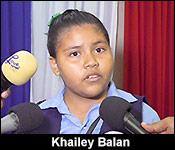
"Budgeting is important because, ahm, you need to know how much money you have. And if you don't budget, then you can overspend. And then, in the future, when you really need the money, you won't have it because you didn't budget and you overspent."
Reporter
"So have you begun budgeting or how are you implementing this lesson that you've learned?"
Khailey Balan, Student - St Martin De Porres
"Because, for school, my mom, she just straight up gives me my money. So I have to go and only spend where I have to, and. no. Okay. I can only spend a dollar on this because I need to buy water."
The e-book is available through the 501 Academy portal.