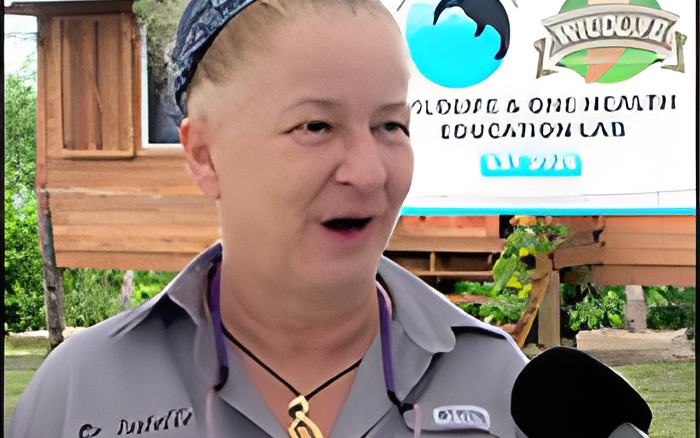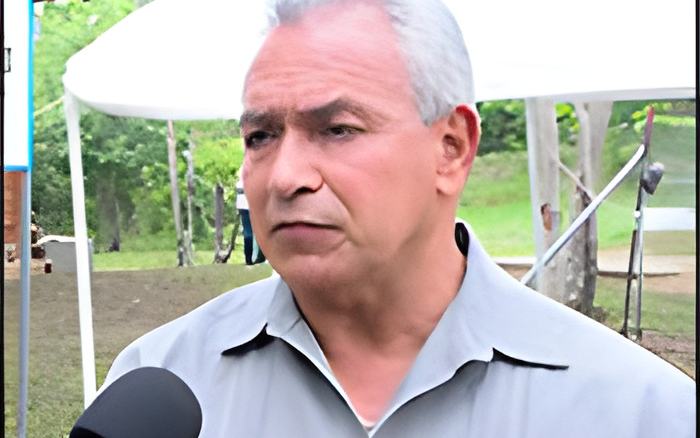

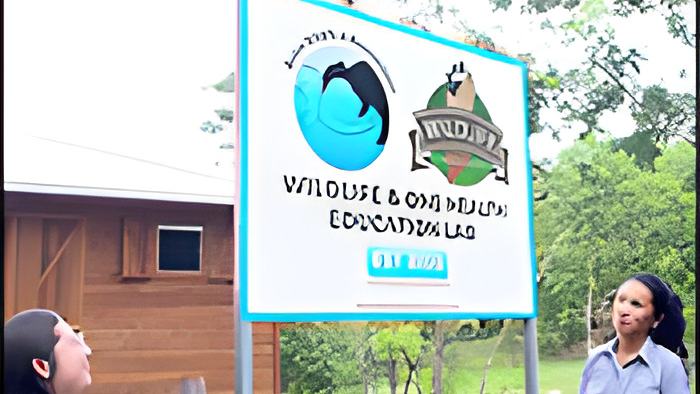
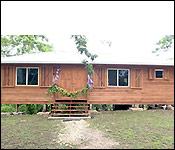
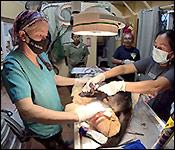
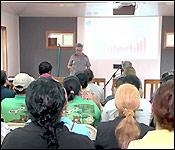
About half a mile up the road from where they treat rescued wild animals, the Belize Wildlife Referral Clinic will also be hosting workshops and training educating the public on wildlife conflict and conservation. This is their newly inaugurated One Health Education Lab. Jomarie Lanza was at the ribbon cutting ceremony today and here's how it went.
Rapid population expansion and infrastructural development across Belize mean citizens are encountering wildlife more frequently than ever before. Helping communities navigate these encounters is the Belize Wildlife Referral Clinic, which hosts essential workshops on coexistence and environmental stewardship. That mission received a major boost today with the inauguration of their new Wildlife and One Health Education Lab. The dedicated facility will serve as a hub for future public training, a move the clinic's director says will significantly elevate the impact of their conservation work.
Dr. Isabelle Paquet-Durand, Director, Belize Wildlife Referral Clinic
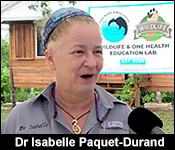
"The workshops started in 2018 and then were taken nationwide in 2021 and since then we have been going for 5 years doing these workshops."
"It is very significant for us because now people can come to us and we can do way more trainings with less cost because it can be right here on site as opposed to going everywhere we will still continue to go to the more rural communities that cant come to us but we hope that a lot of people will be able to just come here."
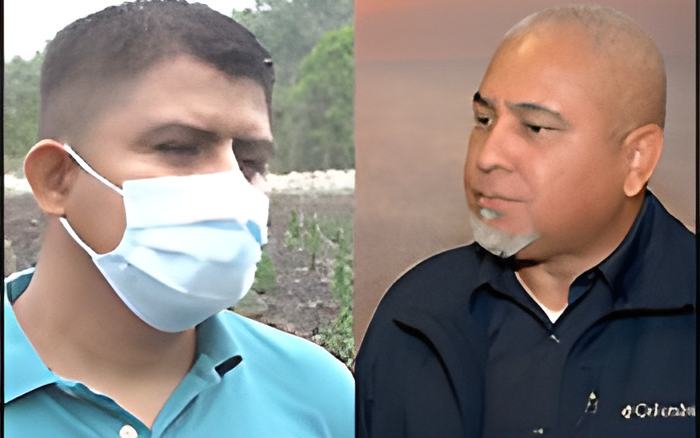
And for the persons leading these trainings, like Giann Vasquez, he says it makes it easier for them now that they have the space instead of constantly traveling from district to district to teach.
Giann Vasquez, Wildlife & One Health Educator
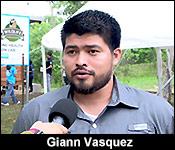
"So my role as an educator is mainly going out and doing workshops, however before we had a very small space in our old rented facility and we also used to travel all over the country finding a space for conducting these workshops, now we can we are free to invite participants from all over the country and have them here in United Ville where our facilities are and we have the space for them in doing these trainings."
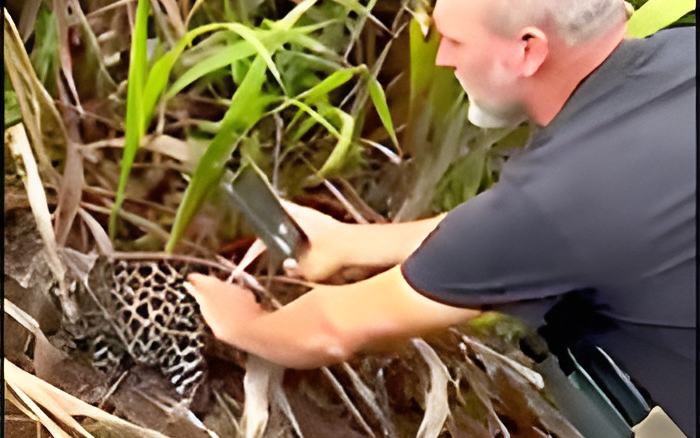
"So it is 2 days of intensive workshops everything from wildlife conflict, illegal wildlife trade, we do look a lot into the legislation that protects wildlife as well as wildlife rehabilitation and the simple very basic veterinary things that we would recommend people to do when they find a hurt animal and overall what to do when you have an emergency with wildlife."
According to Dr. Paquet-Durand, these training sessions are highly effective, equipping participants with the fundamental skills needed to safely manage encounters with injured wildlife.
Dr. Isabelle Paquet-Durand
"So it seems to us that these workshops have been really effective because most people that we train and that is across all fields don't really know much about wildlife and what is normally in wildlife and what common problems we may encounter and how we can simply prevent them or mitigate them and many persons make mistakes with very good intentions so there come in really handy because they can learn how to protect themselves and animals and it is a win win."
"As we develop we will encounter more and more conflict because truthfully in some ways we are expanding into wildlife habitat and whenever we do that we are going to displace animals and those animals may show up in our backyards and then our training may come in handy to educate people on how they can coexist with these animals because we don't want to displace them but we want to share this environment because of course they are also important to us for the income that they bring through tourism and much more."