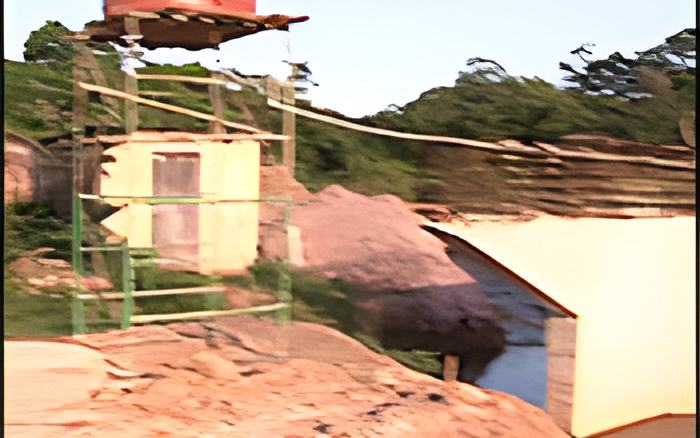

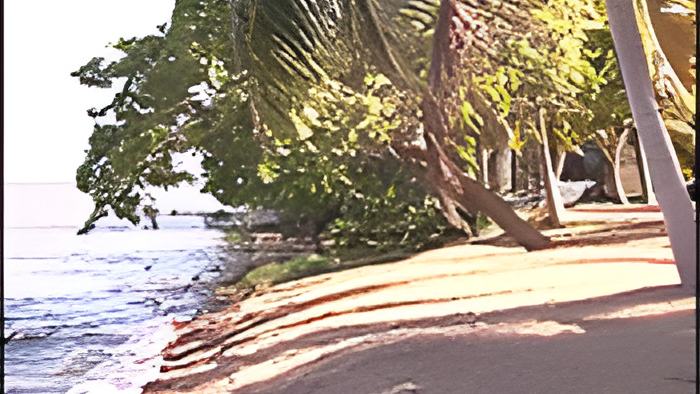
Gales Point Manatee, it's a peninsula jutting out into the Southern Lagoon. But, now, this narrow splint of land surrounded on either side by water is seeing significant erosion. And it's the lagoon water that's wearing it down - and residents are saying this proud and historic village is shrinking.
Cherisse Halsall went there to find out more. Here's her story.
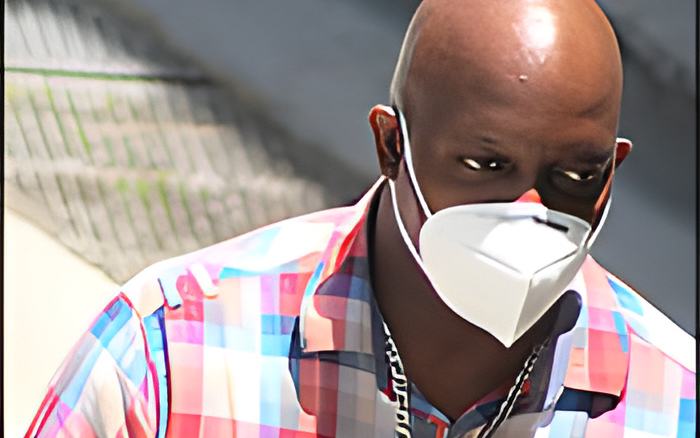
Hubert Andrewin, Resident
"This place getting smaller man, it washes way a lot, plenty. When I was a kid you had a man by the name of Mr. Pampi he had lived about 300 hundred feet into the lagoon. That's where his house was at that time. That's not there no more."
And while that's the illustration drawn and understood by the common man the reality of erosion can be far more frustrating.
Luz Hunter, Tour Guide
"Anywhere that there's a shore line and water, whether it's a river, a lagoon, the sea, you will have erosion if certain things happen and the more you disturb an area the more erosion will happen. There's certain things that prevent erosion or prevent it from happening continuously."
"Many people have tried things They've tried the tires; they've tried putting the Palmetto sticks in the water to block the big waves. One of the reasons that doesn't work is because the sand actually has to be brought to shore by big waves, so if you block those waves from reaching the shore, your actually preventing the waves from bringing the sand to the shore. This peninsula I think a lot of the mangroves are cleared long ago, because it was populated and people like an obstructed view and people have the ides that mangroves bring mosquito and lots of negative things about mangroves, but in some places where mangroves have been allowed to grow as you drive back down the peninsula you see some places where mangroves have been allowed to grow back along the shores and in those places if you stop and look at it you will see that sand is accumulating there."
And, those practices are all too common in Gales Point Manatee, a community constantly threatened by erosion.
Kevin Andrewin, "Turtle Man"
"Erosion was a problem until we started what we called erosion project with PACT when we start plant back mangroves close to the pier and then the flood starts to bring more mangroves and coconut tree and plant it back and now people are using when they get the sand off the road they start to fill their yards, so it comes kinda free. So that is one good thing with the opening of the coastal road, because we could ask for sand and they donate it and we start to dump up certain parts and then that kinda slow it down a little."
And while all that sand from the coastal could keep the problem at bay for a little while longer the reality is that what some would call progress digging, dredging, and seaside construction are all equally complicit in erosion.
Luz Hunter, Tour Guide
"The currents flow south in Belize and the rivers coming from the Maya mountains, the Belize river, Sibun river - many rivers along the coast. We have about 17 rivers from Belize City south to the border and 3 of them in the northern part. So those rivers are bringing sand to the mouth of the river and there the currents transport them south and they keep traveling on the sea floor - that sand keeps moving south. When we get a hurricane or something like that, those big waves will actually stir up the sand from the bottom and bring it to the shore. If you take a glass jar with sand and fill it water and you stir it, once it keeps moving that sand stays suspended in the water, but once you put down that glass and the water stops moving and the sand settles to the bottom, so when you have that sand getting stirred up by the storm waves and taken ashore, that's what keep the beaches filled with sand. If you stop that flow of sand whether by digging a channel or building sometime like a bridge or a structure out from the shore outward, it prevents that sand from moving south and then you're going to have erosion."
And while humans are in danger of losing their homes to erosion, sea turtles can say the same for their nesting grounds.
Kevin Andrewin, "Turtle Man"
"Erosion makes the turtle go from site to site. We are standing here in site 6 and if you go all the way to the manatee bar, that is site 1. One time site 1 half of it was like half of the thing. Until 2008 flood came and it build back site 1 a little and then when the hurricane came, Mitch, it builds it back. So we have nesting beach and then the sand start. That is what you called climate change, it just builds up and take off and that is natural. But certain parts like if you go down that way to Mullings River, they have a heavy erosion and that's why the green turtle kind of migrate elsewhere. They go further south and some of them go a little up north in the area looking for nesting."
"You notice climate change is the only thing right now affecting this beach a little sometime you don't have any beach here. sometimes you come out here, nice beach. One of the things we don't want in Gales Point is dredging. Please don't bring it here. You know why, by tagging these tattles, you know what we learn, some of these turtles use more than one nesting beach and I could say why. The one that use more than one nesting beach is not the original turtle from here, but due to the dredging of their nesting beach and they have nowhere to nest, they have to find their way all the way here. They find Gales Point as their home. If they burn down your house in Belize and they want to kill out your family and you come here, you can live on this beach, no one bothers you, not even the ghost, the turtle will come and live with you and tell you mawning."