

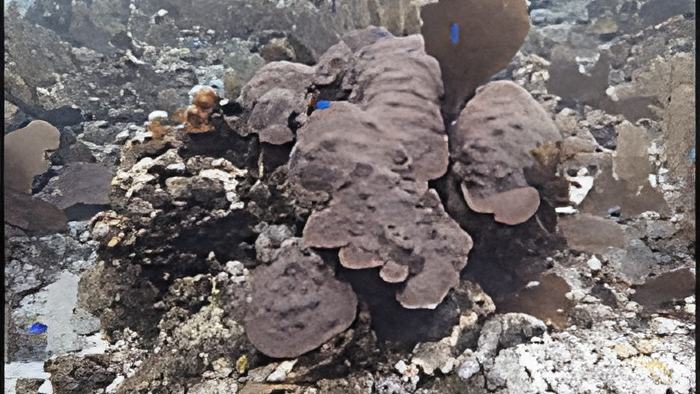
On Tuesday we showed you Healthy Reef's Healthy People's preliminary reef report card and the results weren't great.
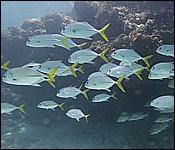
Chief among the concerns were the biomass of commercial reef fish. That category came in at shocking result of poor with the experts saying that the reef would need a 142% increase in fish populations to return to a normal rate.
It's a problem certainly for the reef but also for the fishers who depend on fish stocks for their livelihood. We wanted to find out how these results might affect them and this morning we put that question to San Pedro fisher Melvin Ramirez. Here's what he told us:

Melvin Ramirez - Fisherman/ Tourguide
"Yes and no because yes the reef tends to be overfished at some locations. With the fish you know you just have to move if you constantly just go to this one spot, of course, you will overfish that one spot so as fishermen you have to know depending on the winds and where to go you have to be changing your spot. This one spot won't fish for you forever. You have to give it time for re-growth again. So as you touch this area for a while you have to go to another area and just touch other parts of the reef. Of course, they are overfishing,. We just had that incident where they caught a bunch of illegal parrot fish so all of this comes into consideration but it can be controlled if they just patrol more, more rangers out there patrolling the waters and yeah everything is normal, the fish will come back as they always do."
Cherisse Halsall
"Sir, talk to me about your catch, how has it changed over the past 5 to 10 years?"
Melvin Ramirez
"It has changed a lot as I mentioned earlier because of the overfishing you know I remember 6 or 7 years ago we used to out and we would bring back maybe about six hundred to almost a thousand pounds of lobster in between the first two days and now that number is cut down by more than half right. So, now we're going out and we're only bringing in maybe 150 or 200 pounds in the first two days of lobstering. So, it has changed a lot within the past four to 5 years."
And while the worrying statistics on fish seem to point the figure straight at the commercial fisherman one expert from the HOL Chan Marine reserve today told us that that may not be the case. In fact there could be a number of factors that have depleted fish stocks on the reef. Here's that conversation

Kira Forman Castillo - Technical Manager, HOL CHAN Marine Reserve
"Our observations so far from being out in the field were that fish surveys that we conducted have shown the - many factors that can be attributed to why there is that decline. We have climate change, we have fishing pressure, and we have changes in Mangrove cover. There are a lot of factors that can lead to that which is where we need to study now and to see what are the actual causes of the decrease in numbers that we are seeing. I think that many of the fishermen that we talk to and our stakeholders will agree that they have seen declines in their catch. Fishermen will agree that they have been catching less and less whether that is finfish, or it's conch or lobster. If you talk to the older fishermen they will tell you that over the years they have seen a decline in their catch so for fishers that is not a secret, they know that something is going on so what we now have the responsibility now to do is to see why is this happening and can we cure it so that it does not continue to decline. Measures can be put in place to increase population and increase benefits to fishers because it's getting harder and harder for them to make a living, that is the reality and as I mentioned earlier we're seeing declines in the census that we're doing. We run fish surveys and we know that things are going down but what is the actual cost? and how can we put measures in place for it not to decline further and further?"